BUILT DIFFERENT TO SEE. BUILT DIFFERENT TO SEE. BUILT DIFFERENT TO SEE. BUILT DIFFERENT TO SEE. BUILT DIFFERENT TO SEE. BUILT DIFFERENT TO SEE. BUILT DIFFERENT TO SEE. BUILT DIFFERENT TO SEE. BUILT DIFFERENT TO SEE. BUILT DIFFERENT TO SEE. BUILT DIFFERENT TO SEE. BUILT DIFFERENT TO SEE. BUILT DIFFERENT TO SEE. BUILT DIFFERENT TO SEE. BUILT DIFFERENT TO SEE. BUILT DIFFERENT TO SEE. BUILT DIFFERENT TO SEE. BUILT DIFFERENT TO SEE. BUILT DIFFERENT TO SEE. BUILT DIFFERENT TO SEE. BUILT DIFFERENT TO SEE. BUILT DIFFERENT TO SEE. BUILT DIFFERENT TO SEE. BUILT DIFFERENT TO SEE. BUILT DIFFERENT TO SEE. BUILT DIFFERENT TO SEE.
BUILT DIFFERENT TO SEE. BUILT DIFFERENT TO SEE. BUILT DIFFERENT TO SEE. BUILT DIFFERENT TO SEE. BUILT DIFFERENT TO SEE. BUILT DIFFERENT TO SEE. BUILT DIFFERENT TO SEE. BUILT DIFFERENT TO SEE. BUILT DIFFERENT TO SEE. BUILT DIFFERENT TO SEE. BUILT DIFFERENT TO SEE. BUILT DIFFERENT TO SEE. BUILT DIFFERENT TO SEE. BUILT DIFFERENT TO SEE. BUILT DIFFERENT TO SEE. BUILT DIFFERENT TO SEE. BUILT DIFFERENT TO SEE. BUILT DIFFERENT TO SEE. BUILT DIFFERENT TO SEE. BUILT DIFFERENT TO SEE. BUILT DIFFERENT TO SEE. BUILT DIFFERENT TO SEE. BUILT DIFFERENT TO SEE. BUILT DIFFERENT TO SEE. BUILT DIFFERENT TO SEE. BUILT DIFFERENT TO SEE.
BUILT DIFFERENT TO SEE. BUILT DIFFERENT TO SEE. BUILT DIFFERENT TO SEE. BUILT DIFFERENT TO SEE. BUILT DIFFERENT TO SEE. BUILT DIFFERENT TO SEE. BUILT DIFFERENT TO SEE. BUILT DIFFERENT TO SEE. BUILT DIFFERENT TO SEE. BUILT DIFFERENT TO SEE. BUILT DIFFERENT TO SEE. BUILT DIFFERENT TO SEE. BUILT DIFFERENT TO SEE. BUILT DIFFERENT TO SEE. BUILT DIFFERENT TO SEE. BUILT DIFFERENT TO SEE. BUILT DIFFERENT TO SEE. BUILT DIFFERENT TO SEE. BUILT DIFFERENT TO SEE. BUILT DIFFERENT TO SEE. BUILT DIFFERENT TO SEE. BUILT DIFFERENT TO SEE. BUILT DIFFERENT TO SEE. BUILT DIFFERENT TO SEE. BUILT DIFFERENT TO SEE. BUILT DIFFERENT TO SEE.
BUILT DIFFERENT TO SEE. BUILT DIFFERENT TO SEE. BUILT DIFFERENT TO SEE. BUILT DIFFERENT TO SEE. BUILT DIFFERENT TO SEE. BUILT DIFFERENT TO SEE. BUILT DIFFERENT TO SEE. BUILT DIFFERENT TO SEE. BUILT DIFFERENT TO SEE. BUILT DIFFERENT TO SEE. BUILT DIFFERENT TO SEE. BUILT DIFFERENT TO SEE. BUILT DIFFERENT TO SEE. BUILT DIFFERENT TO SEE. BUILT DIFFERENT TO SEE. BUILT DIFFERENT TO SEE. BUILT DIFFERENT TO SEE. BUILT DIFFERENT TO SEE. BUILT DIFFERENT TO SEE. BUILT DIFFERENT TO SEE. BUILT DIFFERENT TO SEE. BUILT DIFFERENT TO SEE. BUILT DIFFERENT TO SEE. BUILT DIFFERENT TO SEE. BUILT DIFFERENT TO SEE. BUILT DIFFERENT TO SEE.
BUILT DIFFERENT TO SEE. BUILT DIFFERENT TO SEE. BUILT DIFFERENT TO SEE. BUILT DIFFERENT TO SEE. BUILT DIFFERENT TO SEE. BUILT DIFFERENT TO SEE. BUILT DIFFERENT TO SEE. BUILT DIFFERENT TO SEE. BUILT DIFFERENT TO SEE. BUILT DIFFERENT TO SEE. BUILT DIFFERENT TO SEE. BUILT DIFFERENT TO SEE. BUILT DIFFERENT TO SEE. BUILT DIFFERENT TO SEE. BUILT DIFFERENT TO SEE. BUILT DIFFERENT TO SEE. BUILT DIFFERENT TO SEE. BUILT DIFFERENT TO SEE. BUILT DIFFERENT TO SEE. BUILT DIFFERENT TO SEE. BUILT DIFFERENT TO SEE. BUILT DIFFERENT TO SEE. BUILT DIFFERENT TO SEE. BUILT DIFFERENT TO SEE. BUILT DIFFERENT TO SEE. BUILT DIFFERENT TO SEE.
BUILT DIFFERENT TO SEE. BUILT DIFFERENT TO SEE. BUILT DIFFERENT TO SEE. BUILT DIFFERENT TO SEE. BUILT DIFFERENT TO SEE. BUILT DIFFERENT TO SEE. BUILT DIFFERENT TO SEE. BUILT DIFFERENT TO SEE. BUILT DIFFERENT TO SEE. BUILT DIFFERENT TO SEE. BUILT DIFFERENT TO SEE. BUILT DIFFERENT TO SEE. BUILT DIFFERENT TO SEE. BUILT DIFFERENT TO SEE. BUILT DIFFERENT TO SEE. BUILT DIFFERENT TO SEE. BUILT DIFFERENT TO SEE. BUILT DIFFERENT TO SEE. BUILT DIFFERENT TO SEE. BUILT DIFFERENT TO SEE. BUILT DIFFERENT TO SEE. BUILT DIFFERENT TO SEE. BUILT DIFFERENT TO SEE. BUILT DIFFERENT TO SEE. BUILT DIFFERENT TO SEE. BUILT DIFFERENT TO SEE.
BUILT DIFFERENT TO SEE. BUILT DIFFERENT TO SEE. BUILT DIFFERENT TO SEE. BUILT DIFFERENT TO SEE. BUILT DIFFERENT TO SEE. BUILT DIFFERENT TO SEE. BUILT DIFFERENT TO SEE. BUILT DIFFERENT TO SEE. BUILT DIFFERENT TO SEE. BUILT DIFFERENT TO SEE. BUILT DIFFERENT TO SEE. BUILT DIFFERENT TO SEE. BUILT DIFFERENT TO SEE. BUILT DIFFERENT TO SEE. BUILT DIFFERENT TO SEE. BUILT DIFFERENT TO SEE. BUILT DIFFERENT TO SEE. BUILT DIFFERENT TO SEE. BUILT DIFFERENT TO SEE. BUILT DIFFERENT TO SEE. BUILT DIFFERENT TO SEE. BUILT DIFFERENT TO SEE. BUILT DIFFERENT TO SEE. BUILT DIFFERENT TO SEE. BUILT DIFFERENT TO SEE. BUILT DIFFERENT TO SEE.
BUILT DIFFERENT TO SEE. BUILT DIFFERENT TO SEE. BUILT DIFFERENT TO SEE. BUILT DIFFERENT TO SEE. BUILT DIFFERENT TO SEE. BUILT DIFFERENT TO SEE. BUILT DIFFERENT TO SEE. BUILT DIFFERENT TO SEE. BUILT DIFFERENT TO SEE. BUILT DIFFERENT TO SEE. BUILT DIFFERENT TO SEE. BUILT DIFFERENT TO SEE. BUILT DIFFERENT TO SEE. BUILT DIFFERENT TO SEE. BUILT DIFFERENT TO SEE. BUILT DIFFERENT TO SEE. BUILT DIFFERENT TO SEE. BUILT DIFFERENT TO SEE. BUILT DIFFERENT TO SEE. BUILT DIFFERENT TO SEE. BUILT DIFFERENT TO SEE. BUILT DIFFERENT TO SEE. BUILT DIFFERENT TO SEE. BUILT DIFFERENT TO SEE. BUILT DIFFERENT TO SEE. BUILT DIFFERENT TO SEE.
BUILT DIFFERENT TO SEE. BUILT DIFFERENT TO SEE. BUILT DIFFERENT TO SEE. BUILT DIFFERENT TO SEE. BUILT DIFFERENT TO SEE. BUILT DIFFERENT TO SEE. BUILT DIFFERENT TO SEE. BUILT DIFFERENT TO SEE. BUILT DIFFERENT TO SEE. BUILT DIFFERENT TO SEE. BUILT DIFFERENT TO SEE. BUILT DIFFERENT TO SEE. BUILT DIFFERENT TO SEE. BUILT DIFFERENT TO SEE. BUILT DIFFERENT TO SEE. BUILT DIFFERENT TO SEE. BUILT DIFFERENT TO SEE. BUILT DIFFERENT TO SEE. BUILT DIFFERENT TO SEE. BUILT DIFFERENT TO SEE. BUILT DIFFERENT TO SEE. BUILT DIFFERENT TO SEE. BUILT DIFFERENT TO SEE. BUILT DIFFERENT TO SEE. BUILT DIFFERENT TO SEE. BUILT DIFFERENT TO SEE.
BUILT DIFFERENT TO SEE. BUILT DIFFERENT TO SEE. BUILT DIFFERENT TO SEE. BUILT DIFFERENT TO SEE. BUILT DIFFERENT TO SEE. BUILT DIFFERENT TO SEE. BUILT DIFFERENT TO SEE. BUILT DIFFERENT TO SEE. BUILT DIFFERENT TO SEE. BUILT DIFFERENT TO SEE. BUILT DIFFERENT TO SEE. BUILT DIFFERENT TO SEE. BUILT DIFFERENT TO SEE. BUILT DIFFERENT TO SEE. BUILT DIFFERENT TO SEE. BUILT DIFFERENT TO SEE. BUILT DIFFERENT TO SEE. BUILT DIFFERENT TO SEE. BUILT DIFFERENT TO SEE. BUILT DIFFERENT TO SEE. BUILT DIFFERENT TO SEE. BUILT DIFFERENT TO SEE. BUILT DIFFERENT TO SEE. BUILT DIFFERENT TO SEE. BUILT DIFFERENT TO SEE. BUILT DIFFERENT TO SEE.

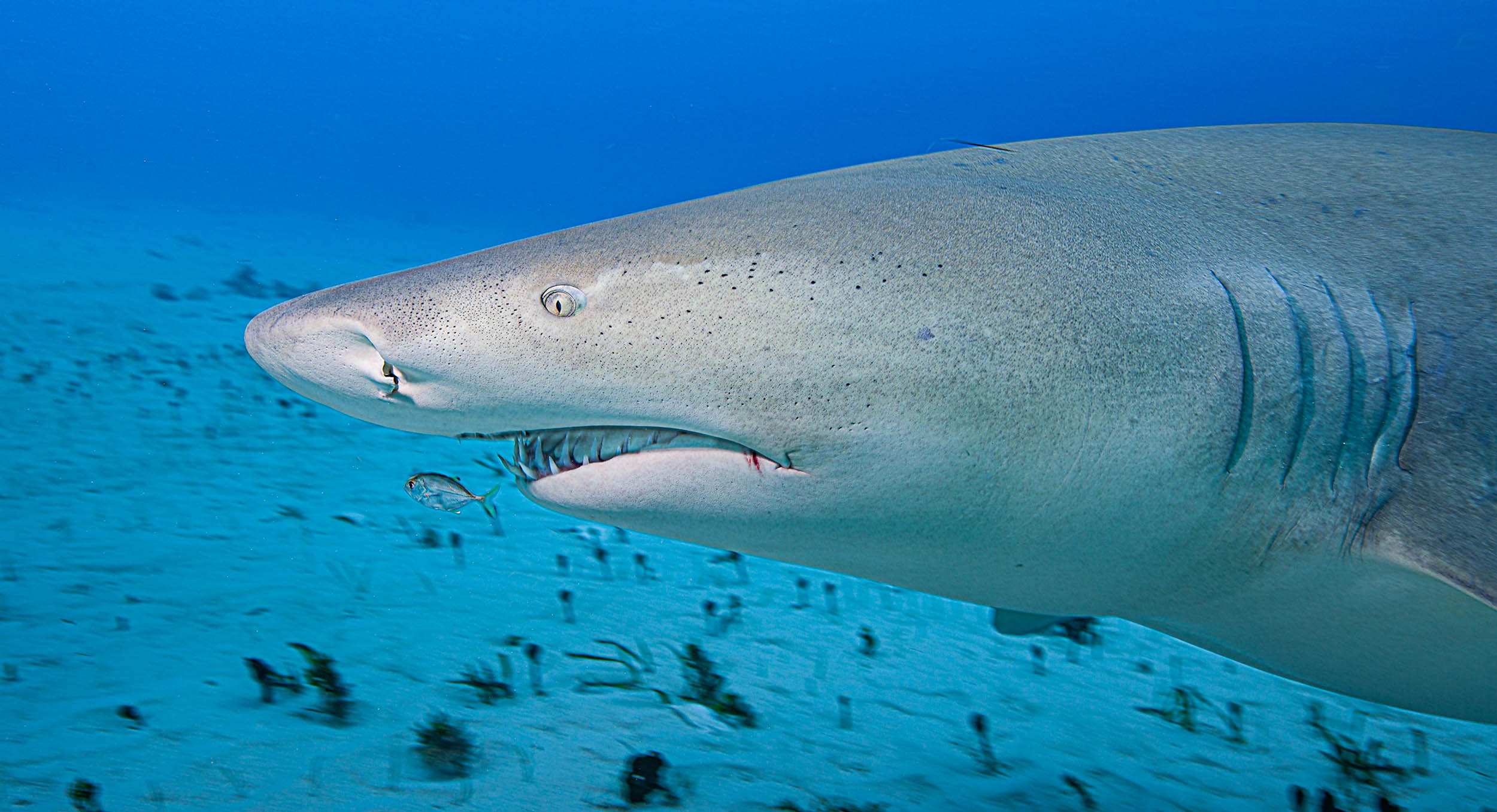
I love the detail of this lemon shark up-close portrait. The shark looks like it is chasing the little fish in front of its jaws. In reality it is little fish is swimming close to the big shark as it affords protection from other predators that would be intimidated by the shark.
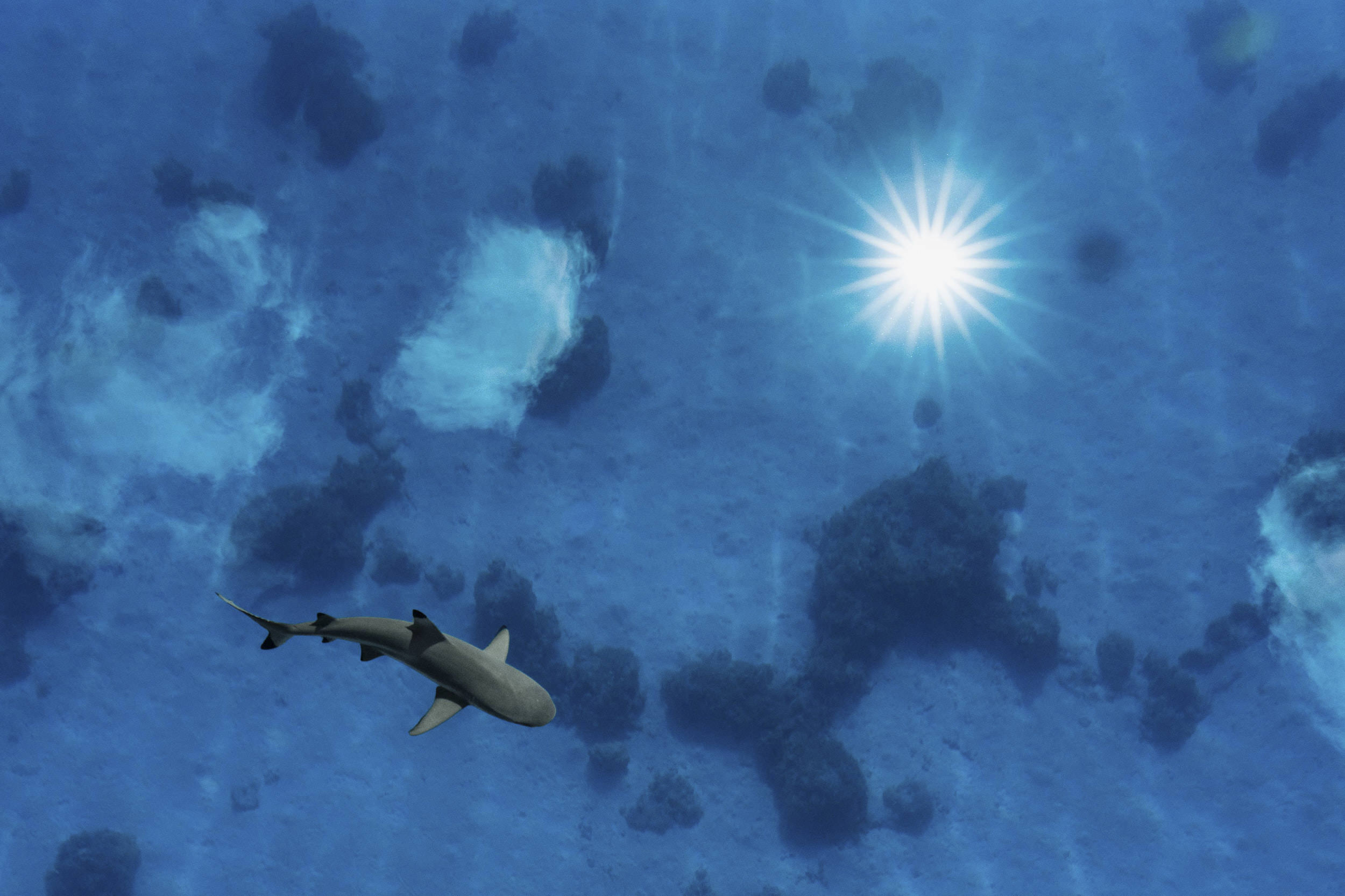
The ocean is a source of wonder. The crystal clear unpolluted waters of French Polynesia are rich with sharks. The sharks in turn help the equilibrium of the reefs that build the atolls that constitute the Tuamotus. A tropical paradise that should be an example for all nations bordering oceans. Fakarava, Tuamotus Archipelago, French Polynesia.
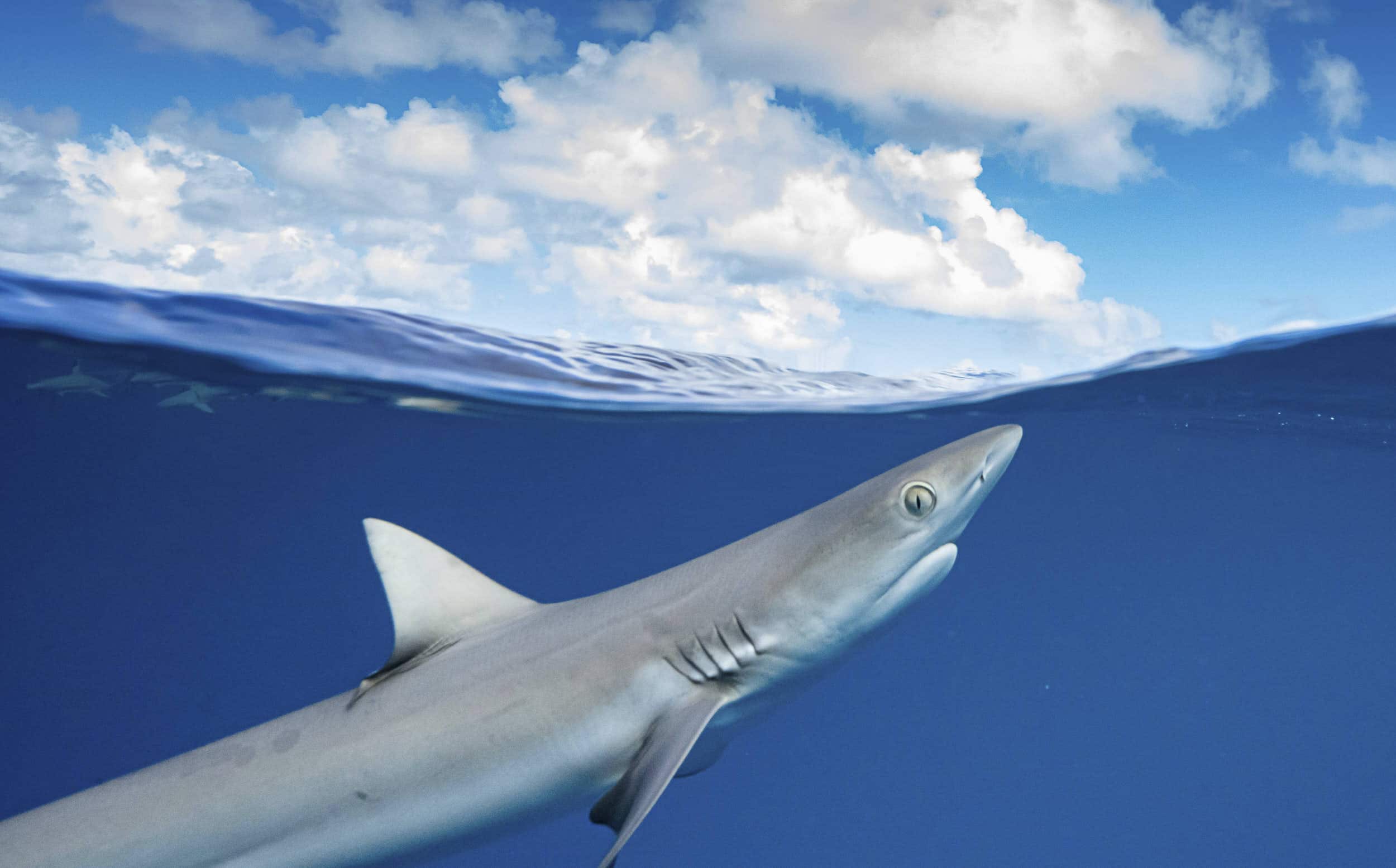
A grey reef shark stares at me in the crystal clear waters of the Tuamotus, in the atoll of Tahanea, French Polynesia. A charismatic fish between the blue sky and the blue water. I have been diving with sharks for over 20 years and find them an endless source of fascination. They swim beautifully and effortlessly patrolling the oceans. Their eyes are mysterious. In Tahanea Island , Tuamotus, French Polynesia
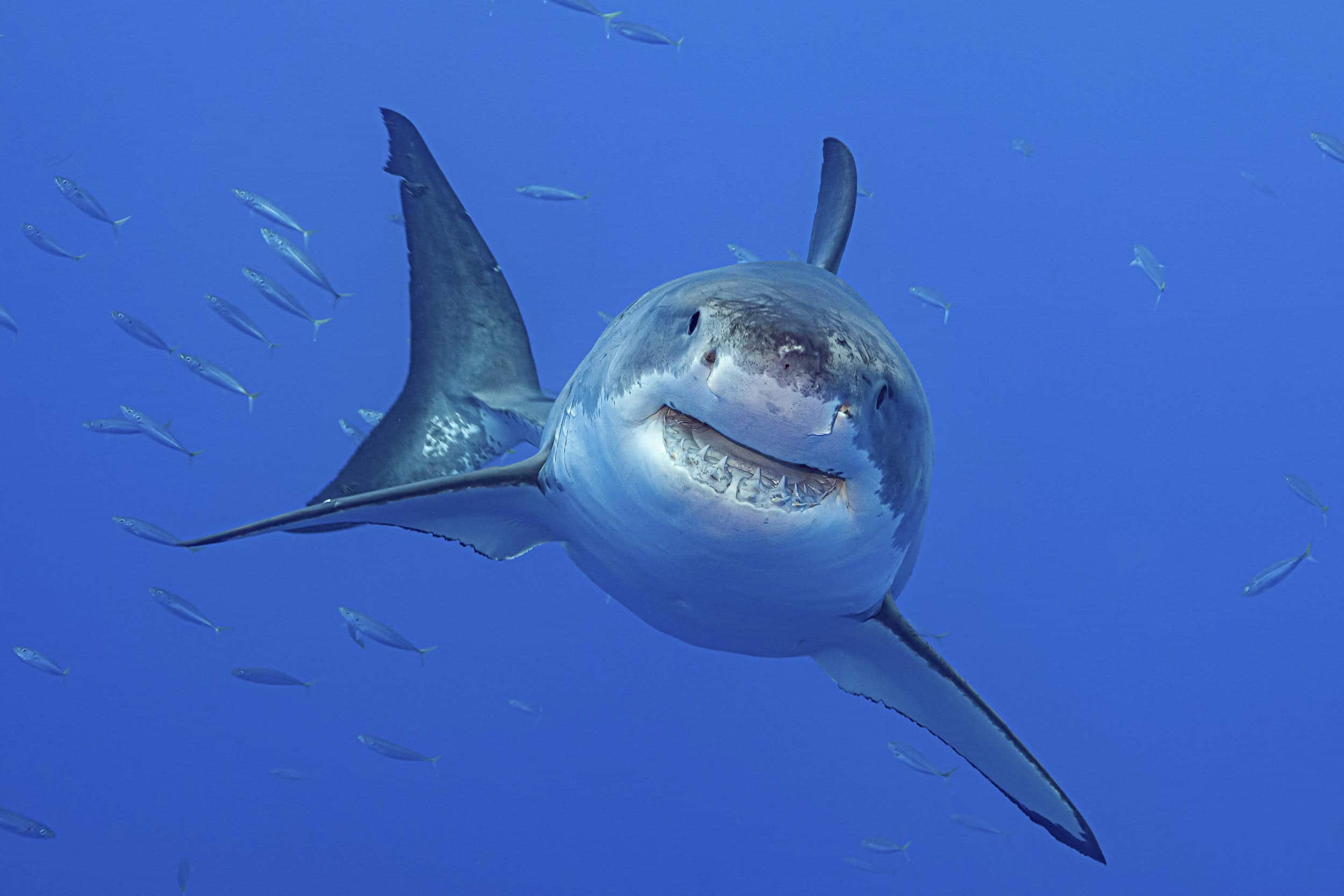
The Predator's Smile
A great white shark approaches head-on through the deep blue, its formidable teeth forming an almost mischievous smile. Surrounded by smaller fish, this powerful predator presents an unexpectedly expressive face. A moment of extraordinary proximity, where fear gives way to fascination and the ocean's most feared hunter reveals a surprising personality.
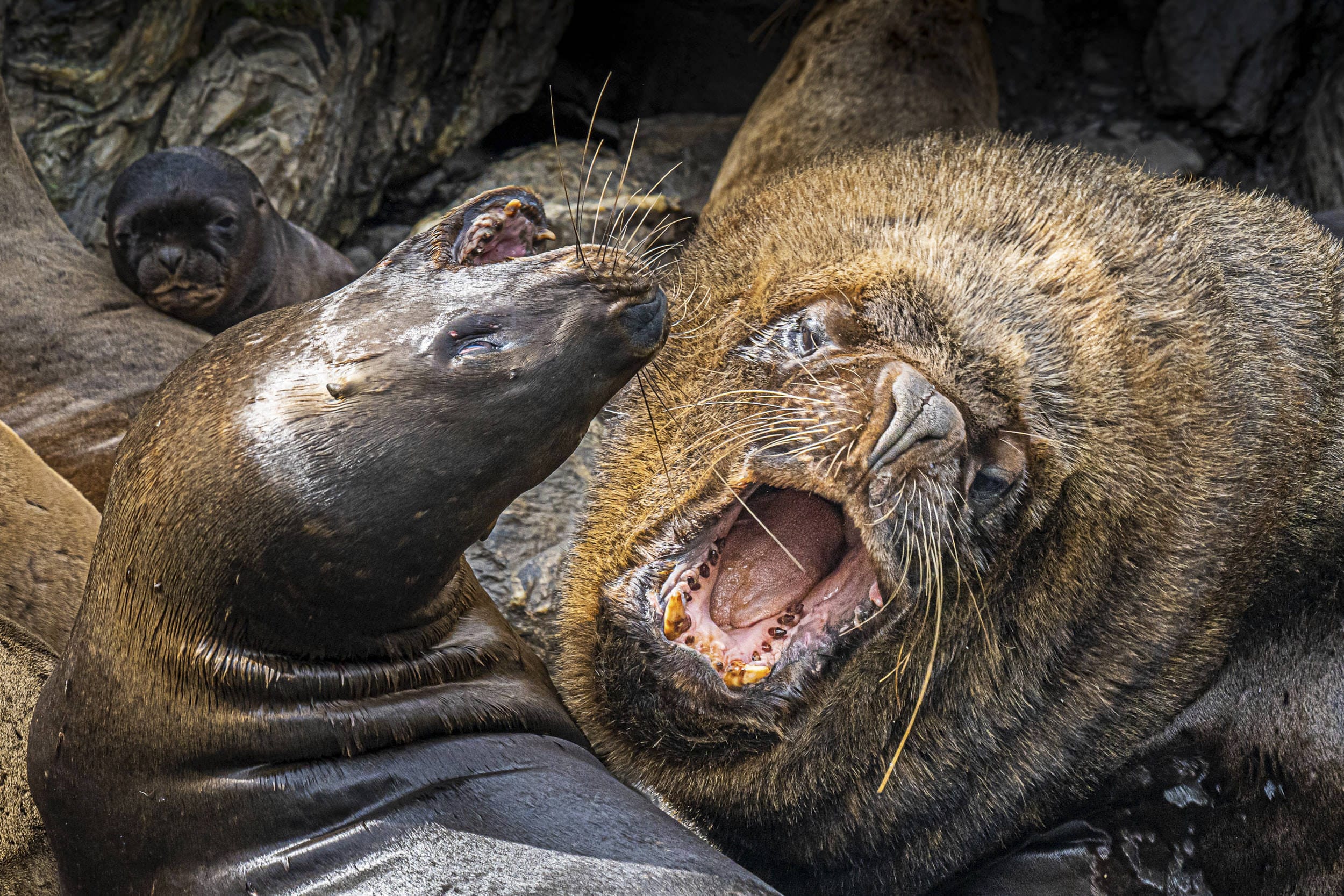
A male and female South American Sea Lions in a moment of intense (and very noisy) courtship. In Garibaldi Fjord, Tierra del Fuego, Chile.
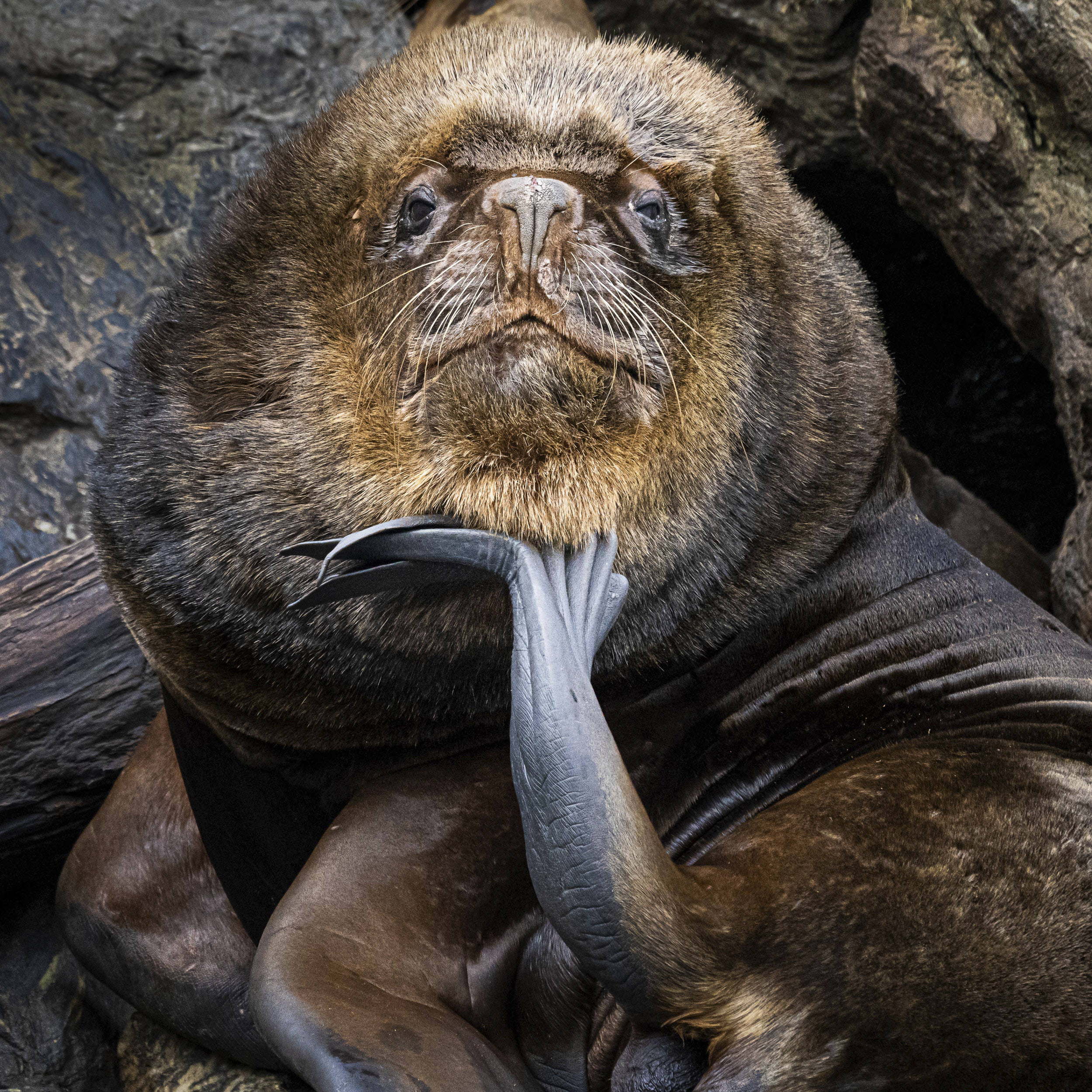
This magnificent male South American Sea Lion exuded confidence looking at me. I love to convey the personality of various animals through up close portraits. Patience is required as I will often wait for hours to get the right expression, in the right setting. Garibaldi Fjord, Tierra del Fuego , Chile
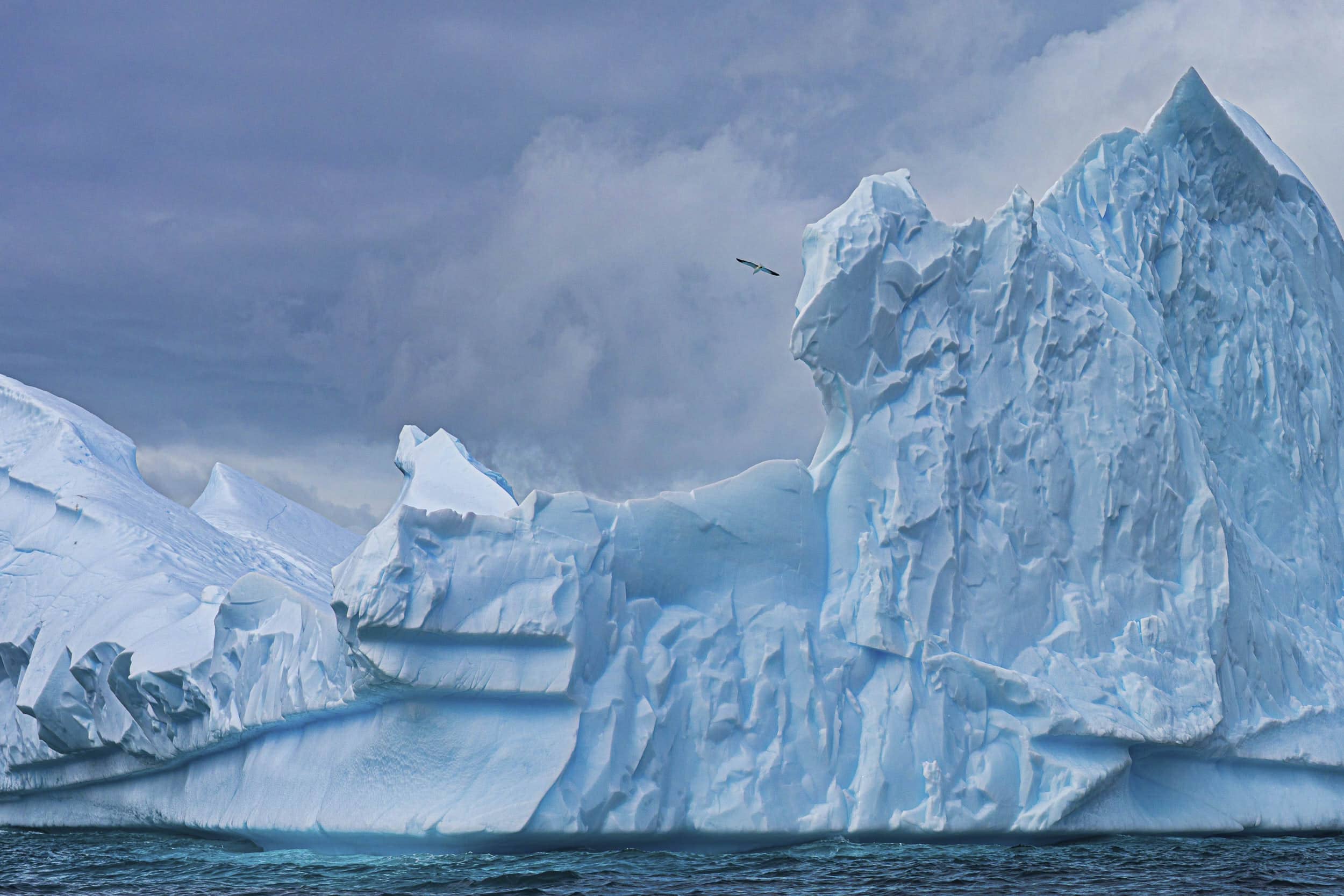
Antarctica is a place of surreal beauty. Watching this scene I felt it had been painted by a talented artist. Ocean, ice, clouds and a lone animal are all the elements of the harsh but stunningly beautiful continent. Charlotte Bay, Antarctica.
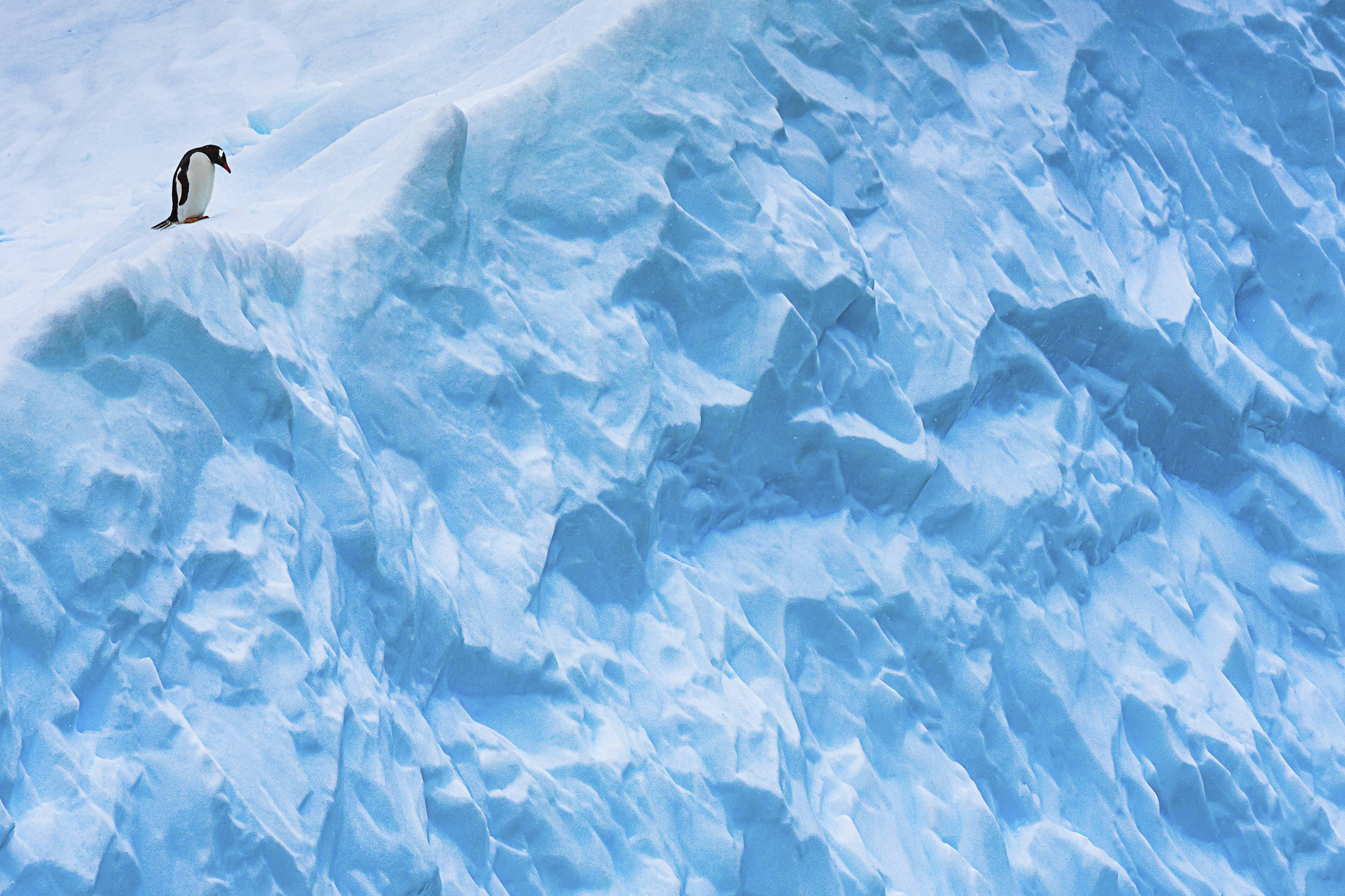
On the Edge of Immensity
A solitary Gentoo penguin stands at the edge of a towering wall of blue ice, dwarfed by the immense frozen landscape. Its tiny silhouette contrasts with the glacier's intricate textures and luminous shades of blue, a poignant portrait of the fragile balance between life and the overwhelming forces of nature.
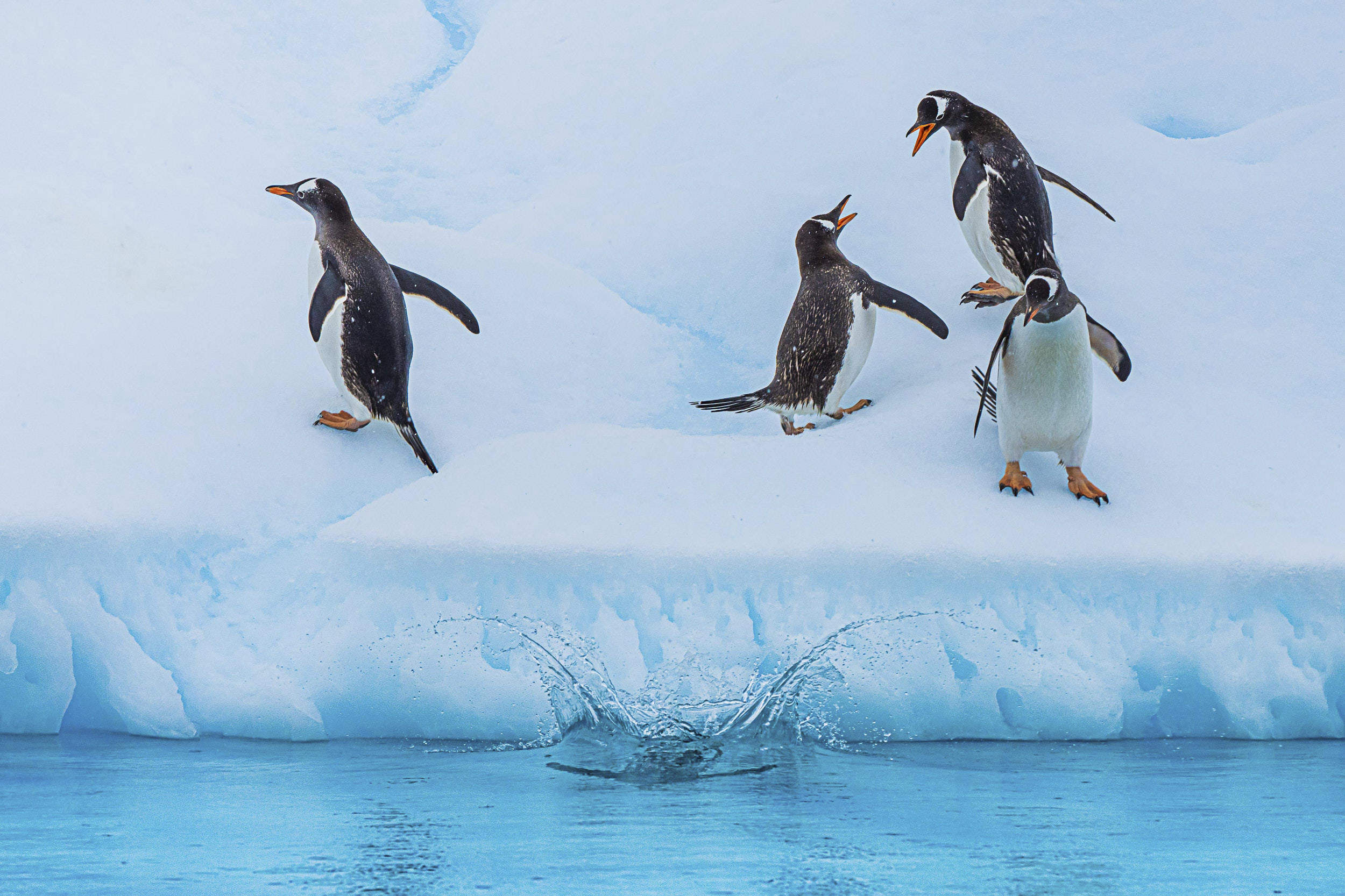
On a Zodiac I observed this surreal scene happening on an iceberg in Antarctica. Two gentoo penguins are communicating vociferously, the third is watching the fourth that just jumped in the water , while the fifth seems to want to escape the noisy action of the other four. What a whirlwind of activity! On an iceberg in Paradise Bay, Antarctica.
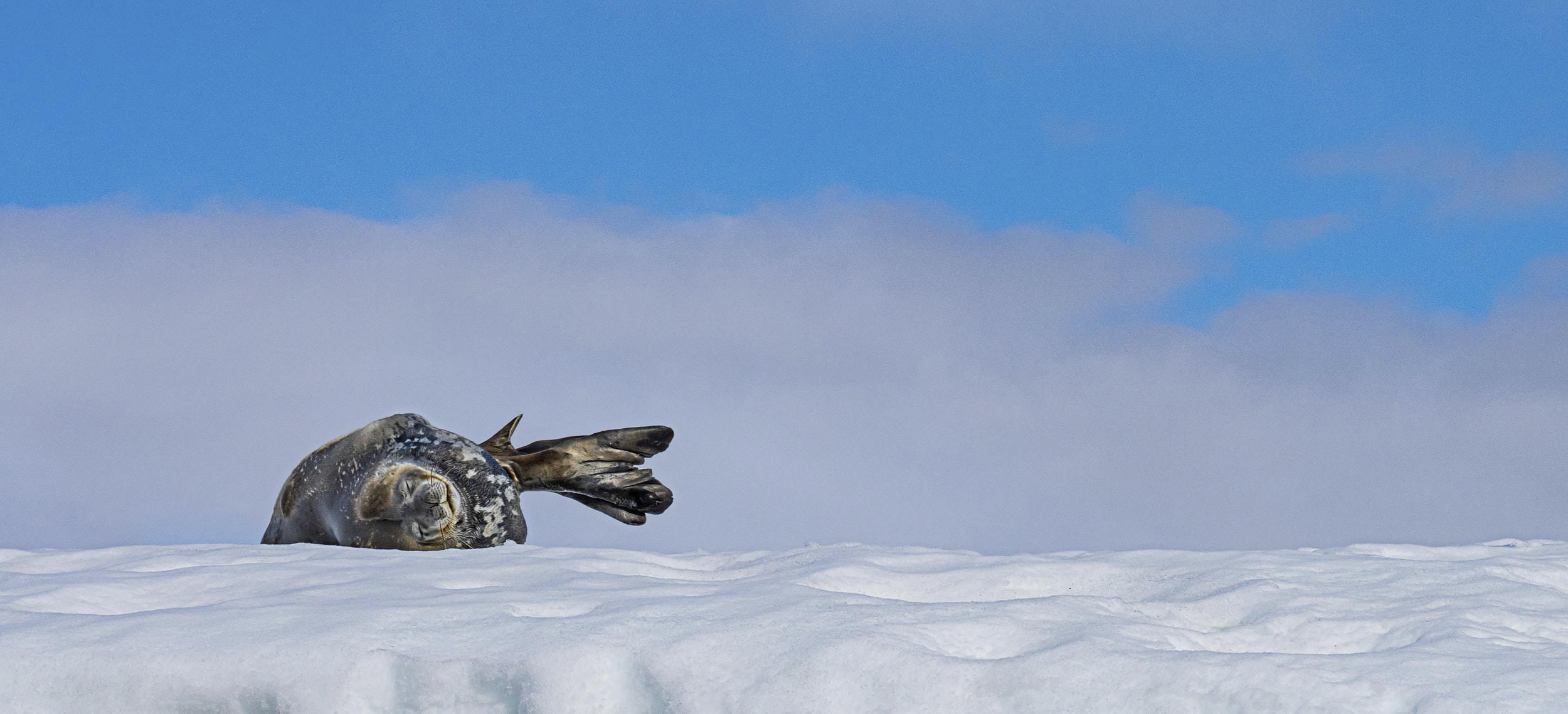
I saw this Wedell Seal on a high ice wall in an early exploration in the Antarctica. Approaching with my Zodiac I stayed as still as possible. After a while the seal started to move its back fins. Was the seal dreaming? Near Enterprise Island, Antarctica
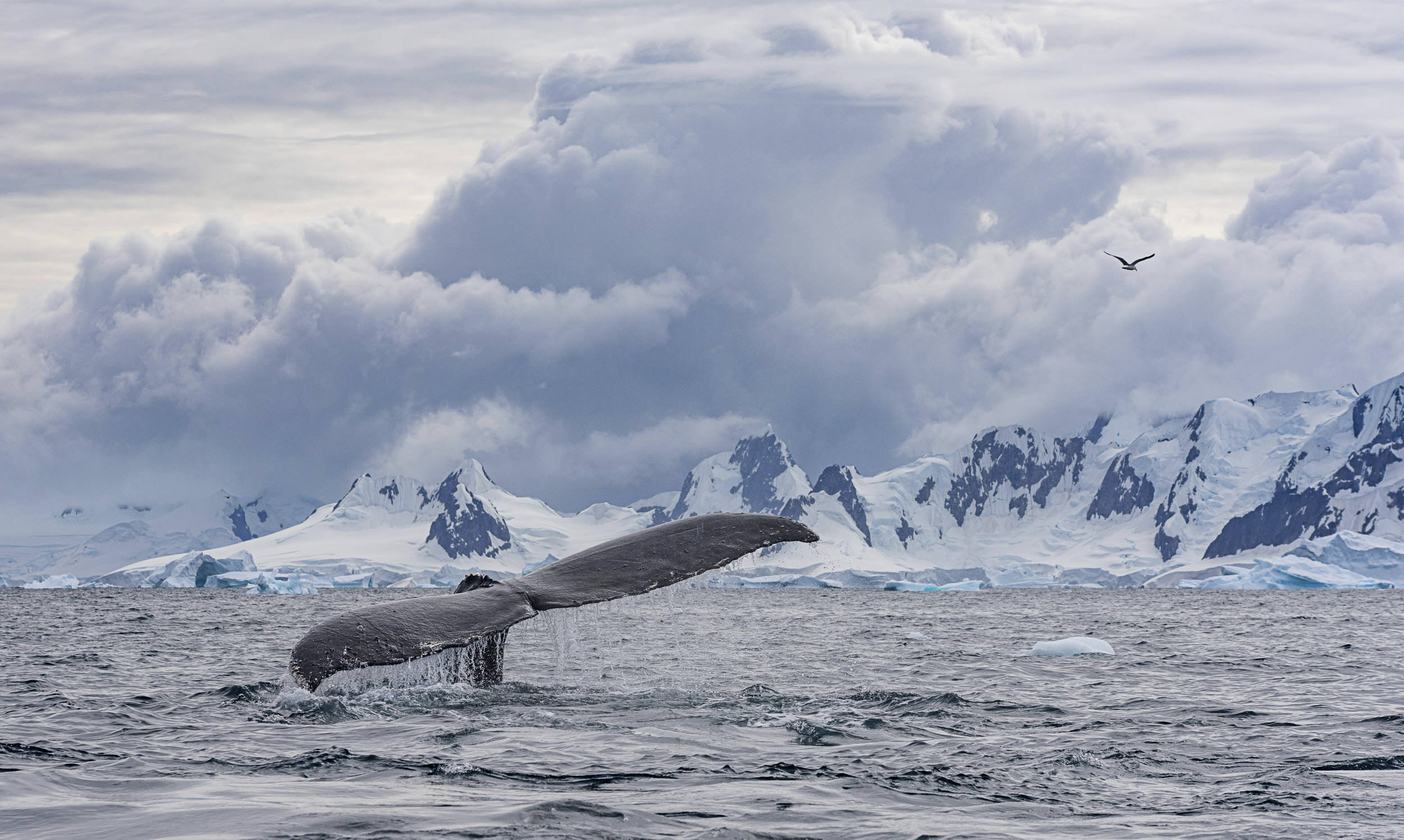
What is striking in Antarctica is the immensity of the landscape. You can observe hundreds of kilometers of landscape at one with towering mountains of thousands of meters rising from the ocean. And in that immensity a few rare animals dot the horizon. Lone birds, single whales or sometime a pair traveling together, a seal on an iceberg. And yet the few survive. The miracle of life finding a way. Charlotte Bay, Antarctica
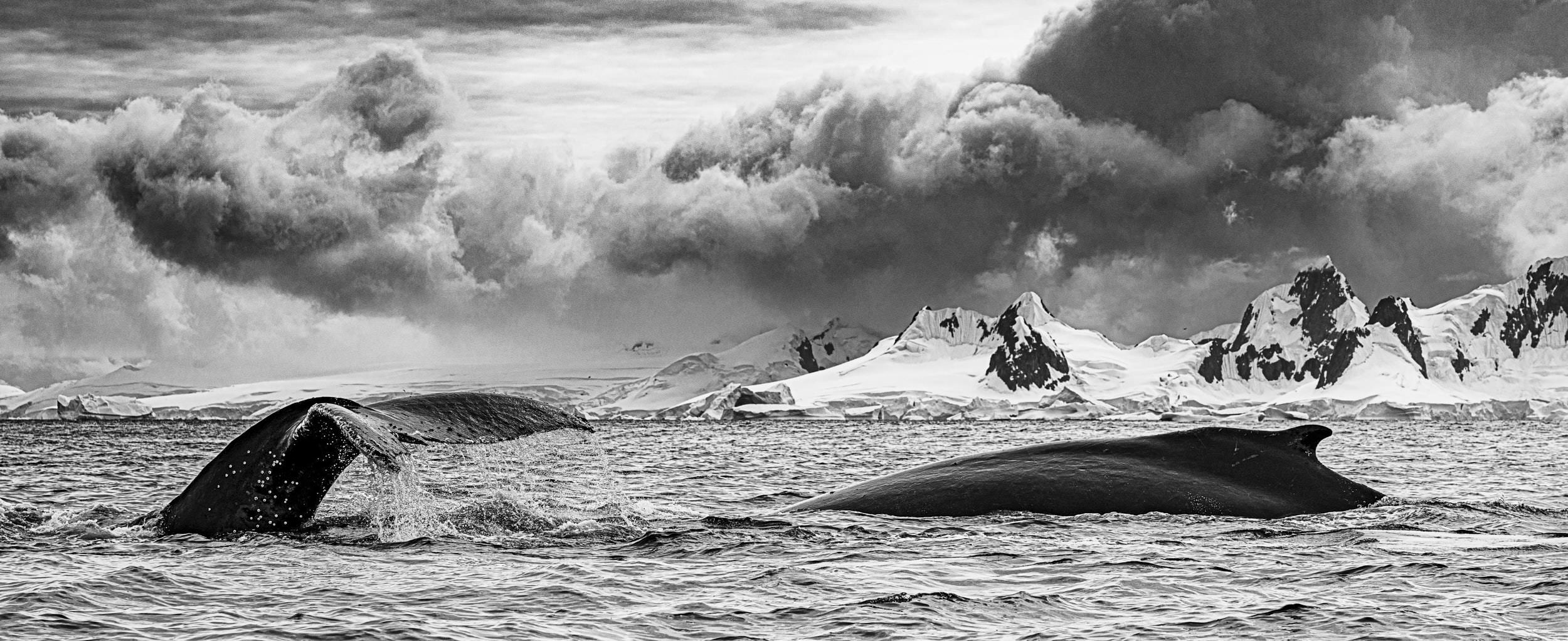
While humans struggle to survive in Antarctica humpback whales are oblivious to the harsh environment. They effortlessly surface to breathe and spend their summers beautifully in the 7th continent. I loved following these two whales as they came up to the surface to breathe. I waited for the moment where the strong background would illustrate their environment.. Deception Island and Charlotte Bay, Antarctica.
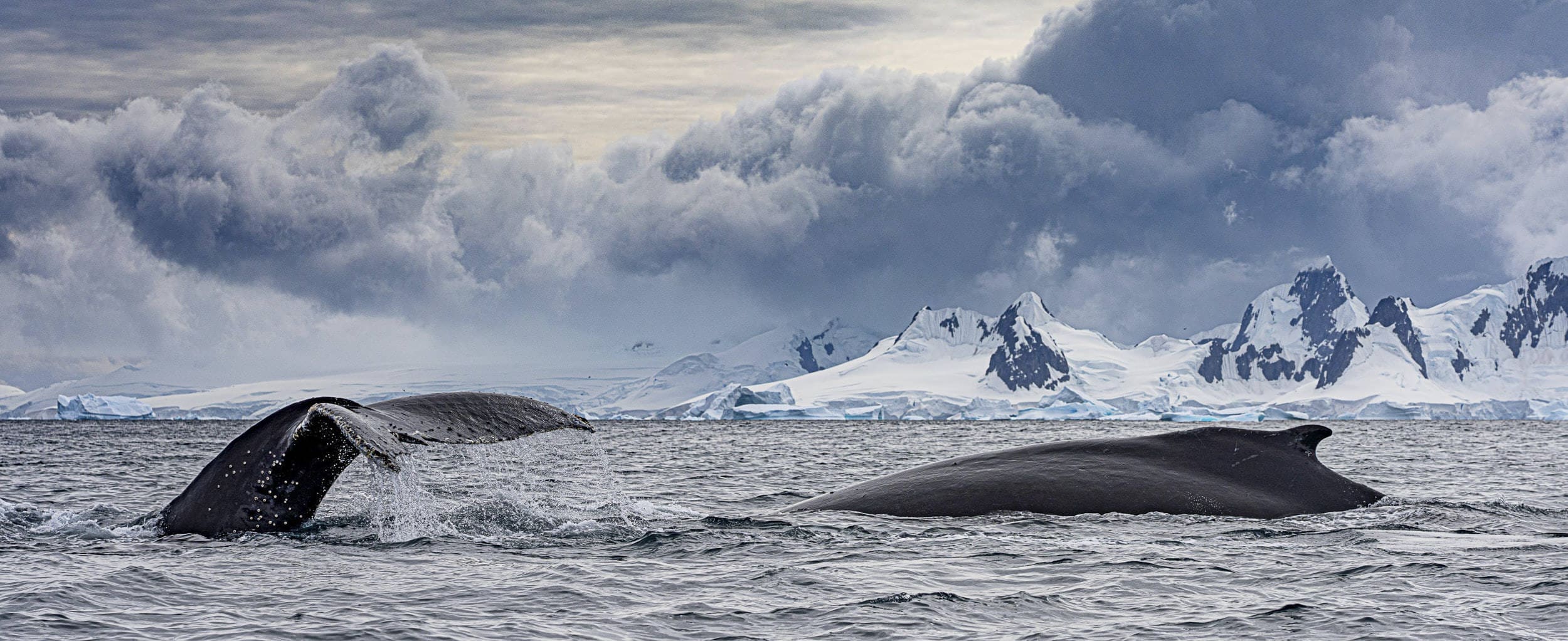
While humans struggle to survive in Antarctica humpback whales are oblivious to the harsh environment. They effortlessly surface to breathe and spend their summers beautifully in the 7th continent. I loved following these two whales as they came up to the surface to breathe. I waited for the moment where the strong background would illustrate their environment.. Deception Island and Charlotte Bay, Antarctica.
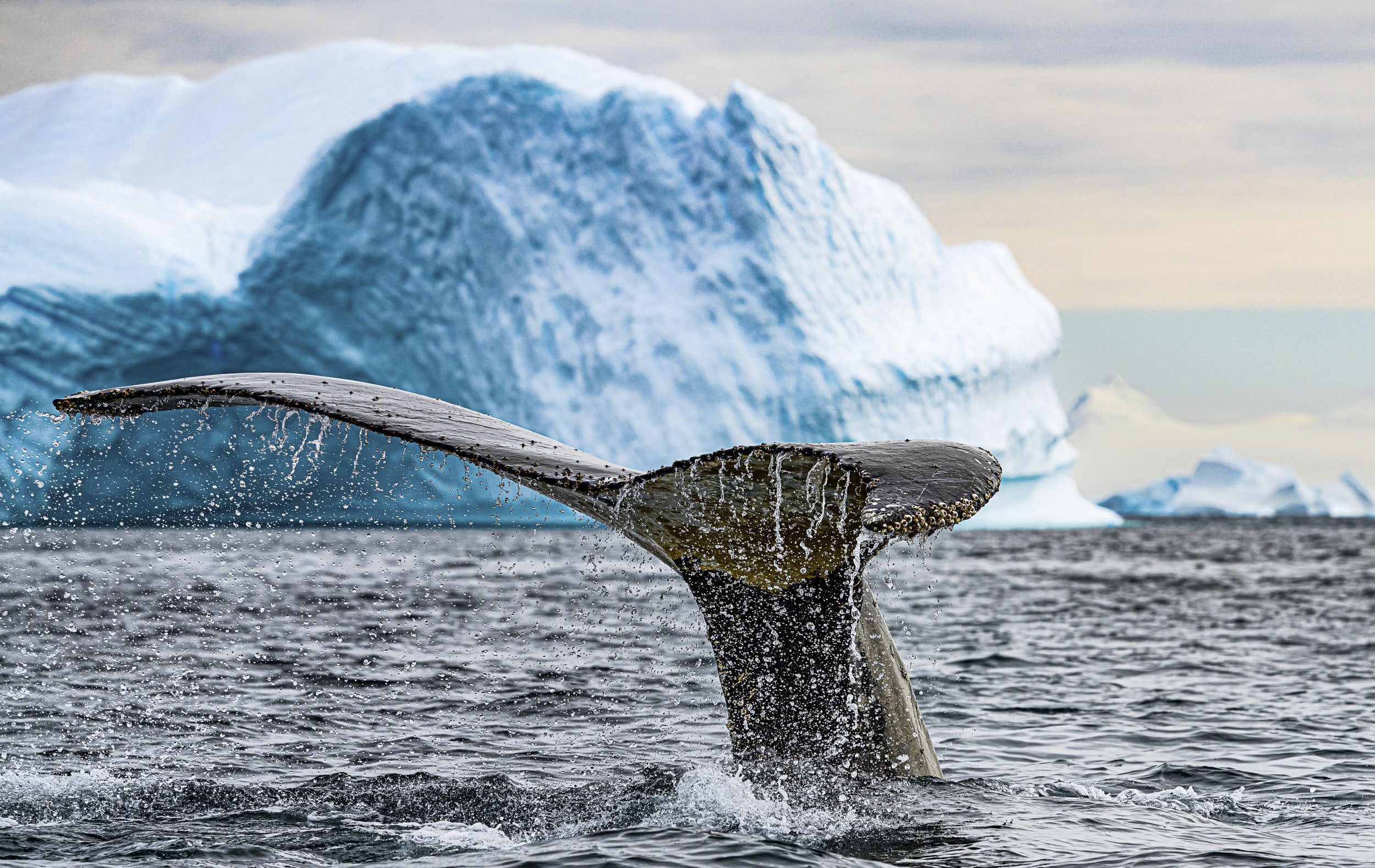
Humpback whales diving in theHumpback whales diving in the ocean are one of the iconic sights of Antarctica.The shining droplets of water create a contrast brilliant as they fall from the dark tail. In the background the white icebergs contrast against the dark Southern Ocean. Humpback whales feed on krill a tiny crustacean that is overfished by humans in Antarctica's Southern Ocean creating a threat to these gentle giants. Charlotte Bay, Antarctica
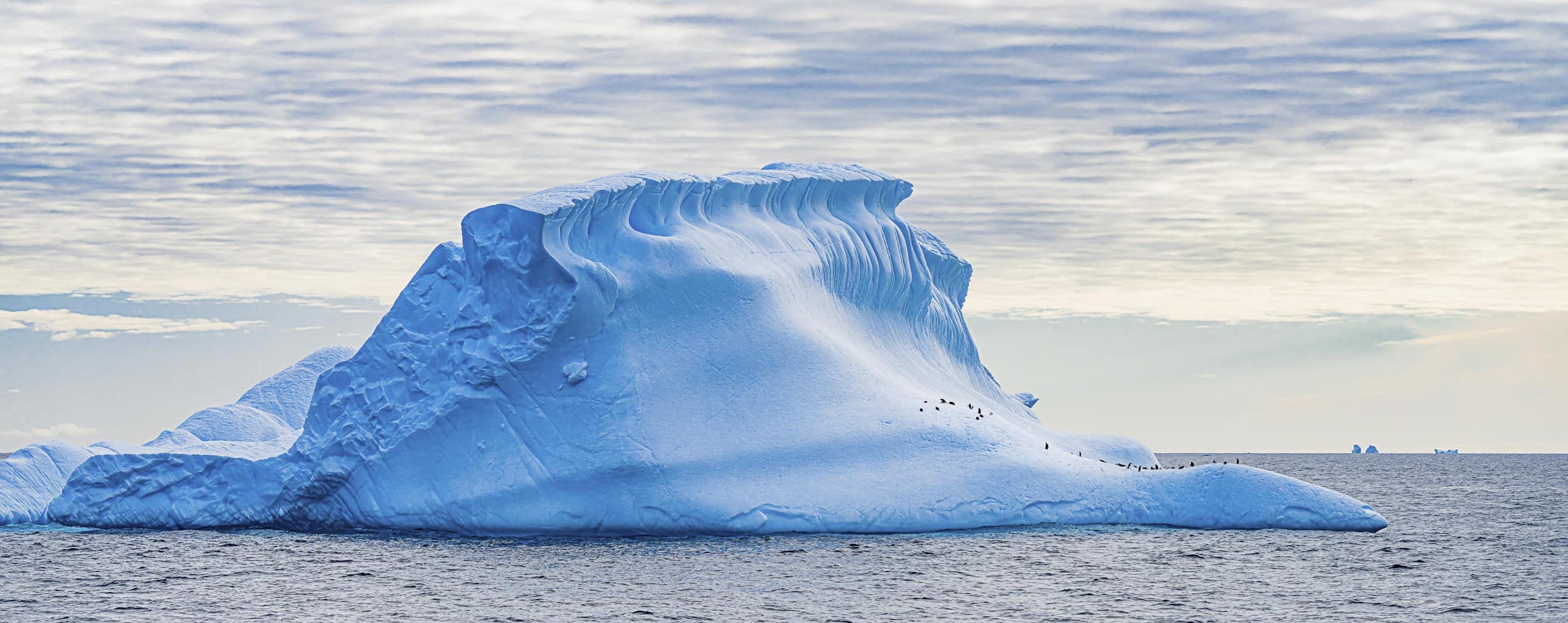
A small colony of chinstrap penguins was resting on this massive iceberg.The late afternoon light gave this setting a peaceful yet majestic feeling. Chinstrap penguins are threatened by climate change which decreases the amount of krill on which the chinstrap feed. Floating Iceberg, near Trinity Island, Antarctica
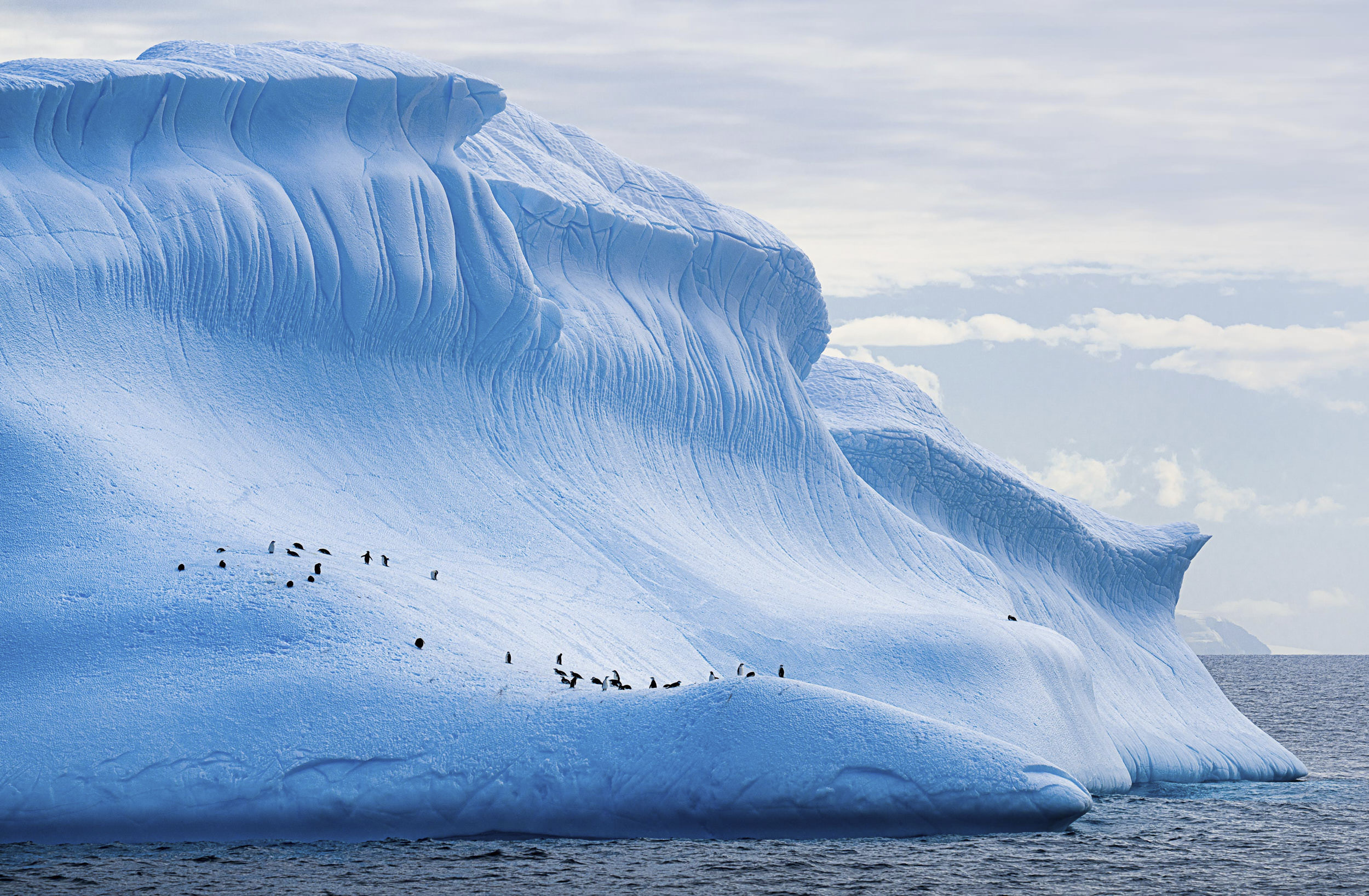
A small colony of chinstrap penguins was resting on this massive iceberg.The late afternoon light gave this setting a peaceful yet majestic feeling. Chinstrap penguins are threatened by climate change which decreases the amount of krill on which the chinstrap feed. Floating Iceberg, near Trinity Island, Antarctica
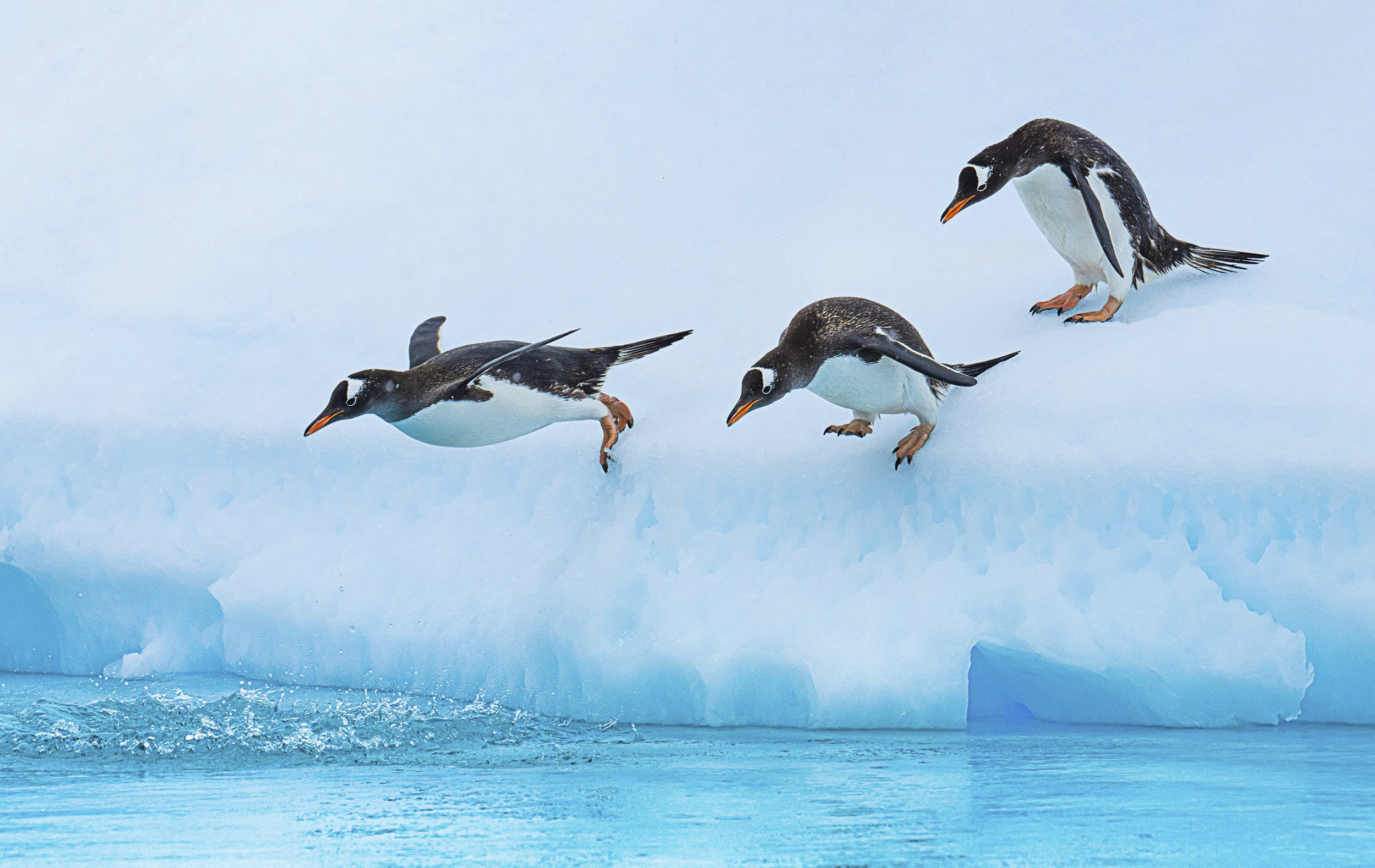
A gentoo penguin observes the water, the second has started its jump, the third is in the air and the fourth just landed underwater. What a perfect scene to observe these penguins' behaviour happening on an iceberg. Gentoo Penguins are threatened by climate change and by the overfishing by humans of krill, a tiny crustacean that is part of the penguins diet. In Paradise Bay, Antarctic
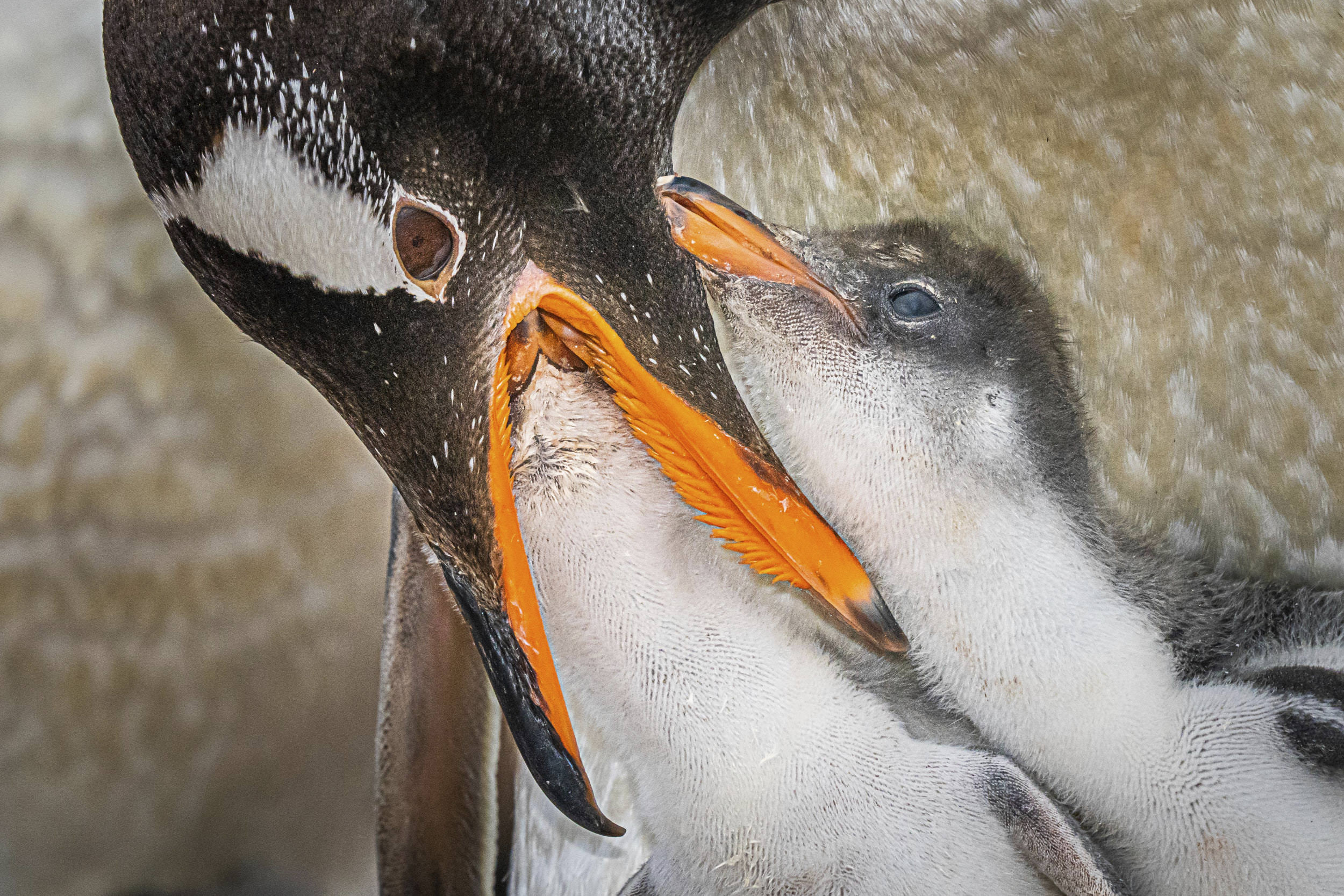
A gentoo penguin feeds its chick regurgitated krill while the second chick calls for attention. Krill is threatened by global warming and by fishing for fish farms. As krill represents 85% of the gentoo diet its decrease is a threat to these penguins too. Paradise Bay, Antarctica.
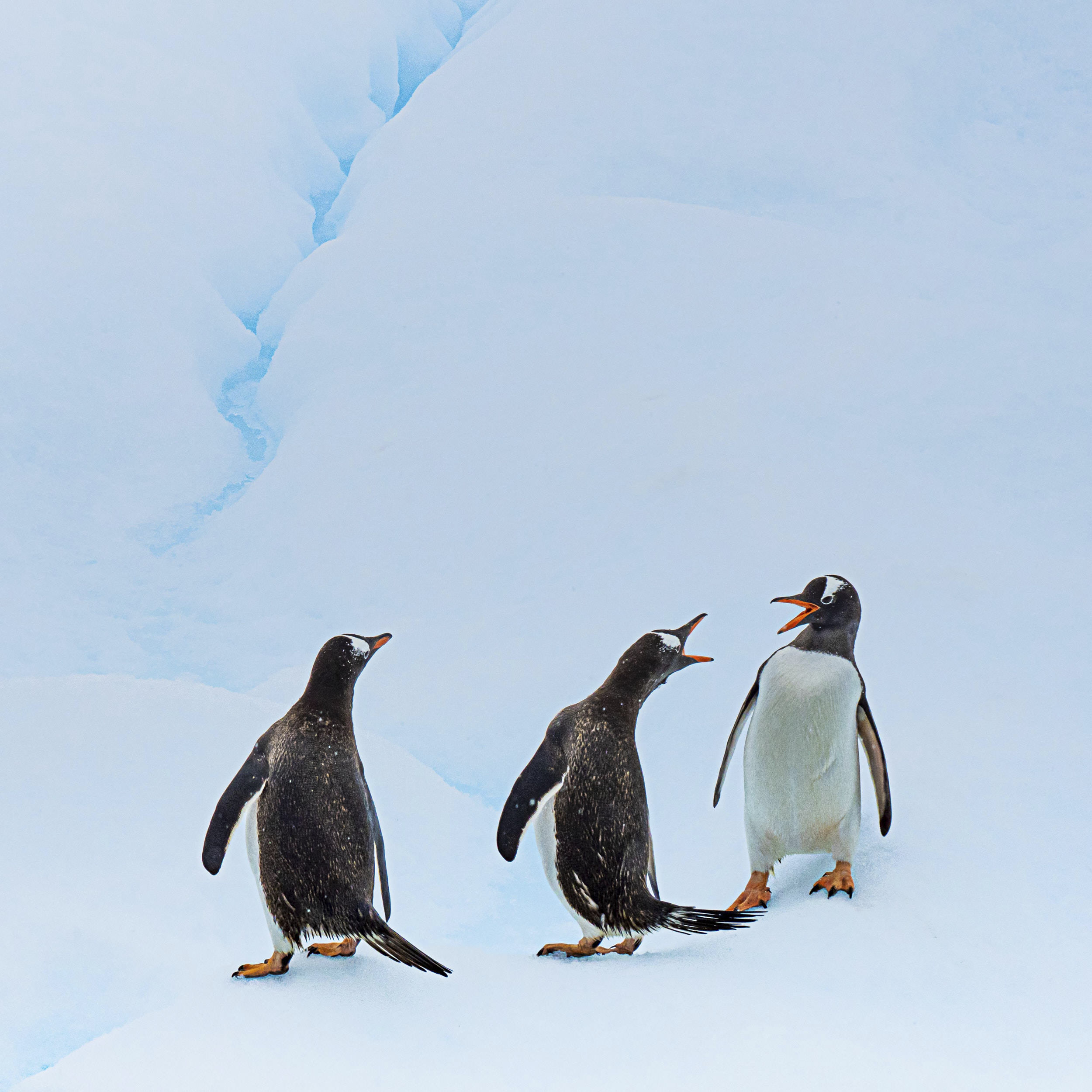
Two gentoo penguins are communicating vociferously while a third observes them on the background of a delicate iceberg. Gentoo Penguins are threatened by climate change and by the overfishing by humans of krill, a tiny crustacean that is part of the penguins diet. In Paradise Bay, Antarctica.
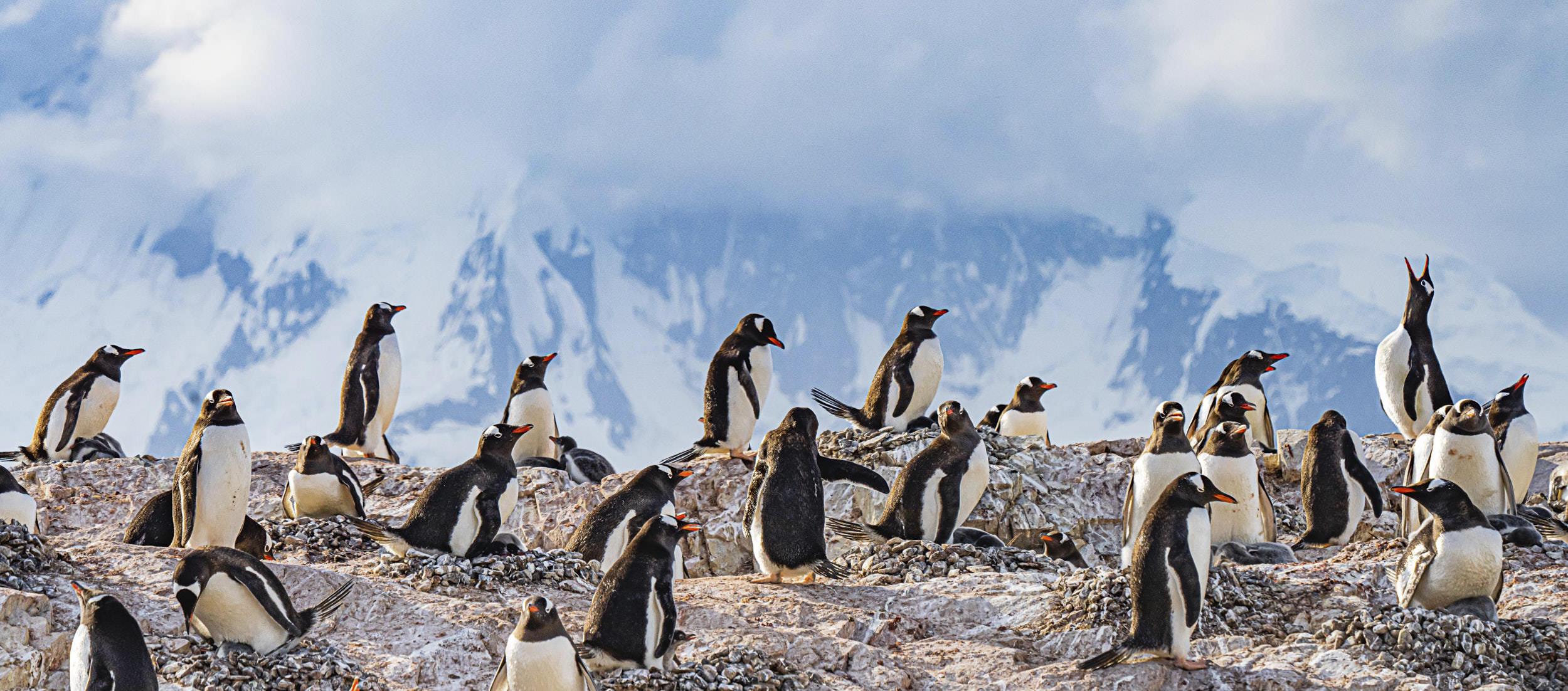
I saw this colony of gentoo penguins assembled on a rocky top. Even keeping my distance to not disturb them I could hear this one individual very loud vocals. All the other penguins seemed enthralled listening to this one possibly a male trying to attract females. Gentoo Penguins are threatened by climate change and by the overfishing by humans of krill, a tiny crustacean that is part of the penguins’ diet. Cuverville Island, Antarctica
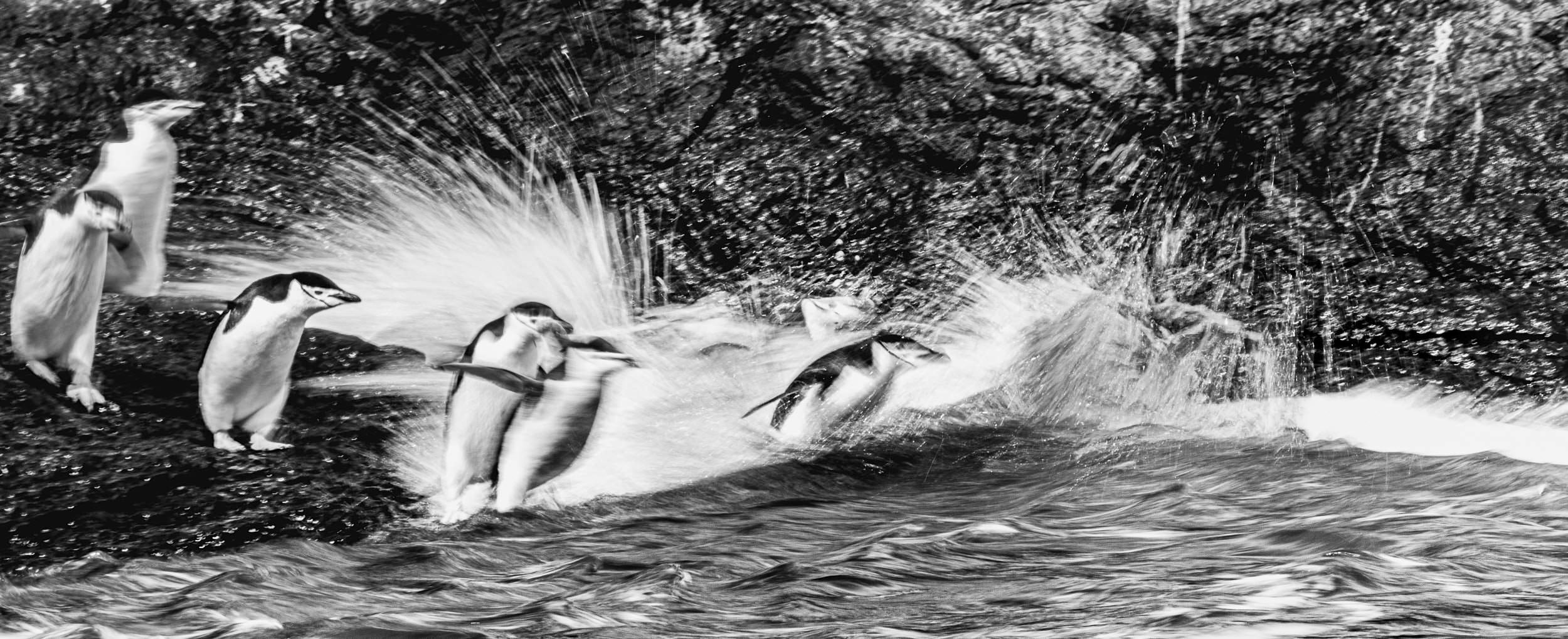
Chinstrap penguins typically jump in the water in groups. They will prepare themselves for several minutes, standing on the shore, waiting for the ideal moment. Maybe ensuring that they see no predator in the water. When they finally move they jump quickly each following the one in front which I illustrated in this image. Chinstrap penguins are threatened by climate change which decreases the amount of krill on which the chinstrap feed. Deception Island, Antarctica.
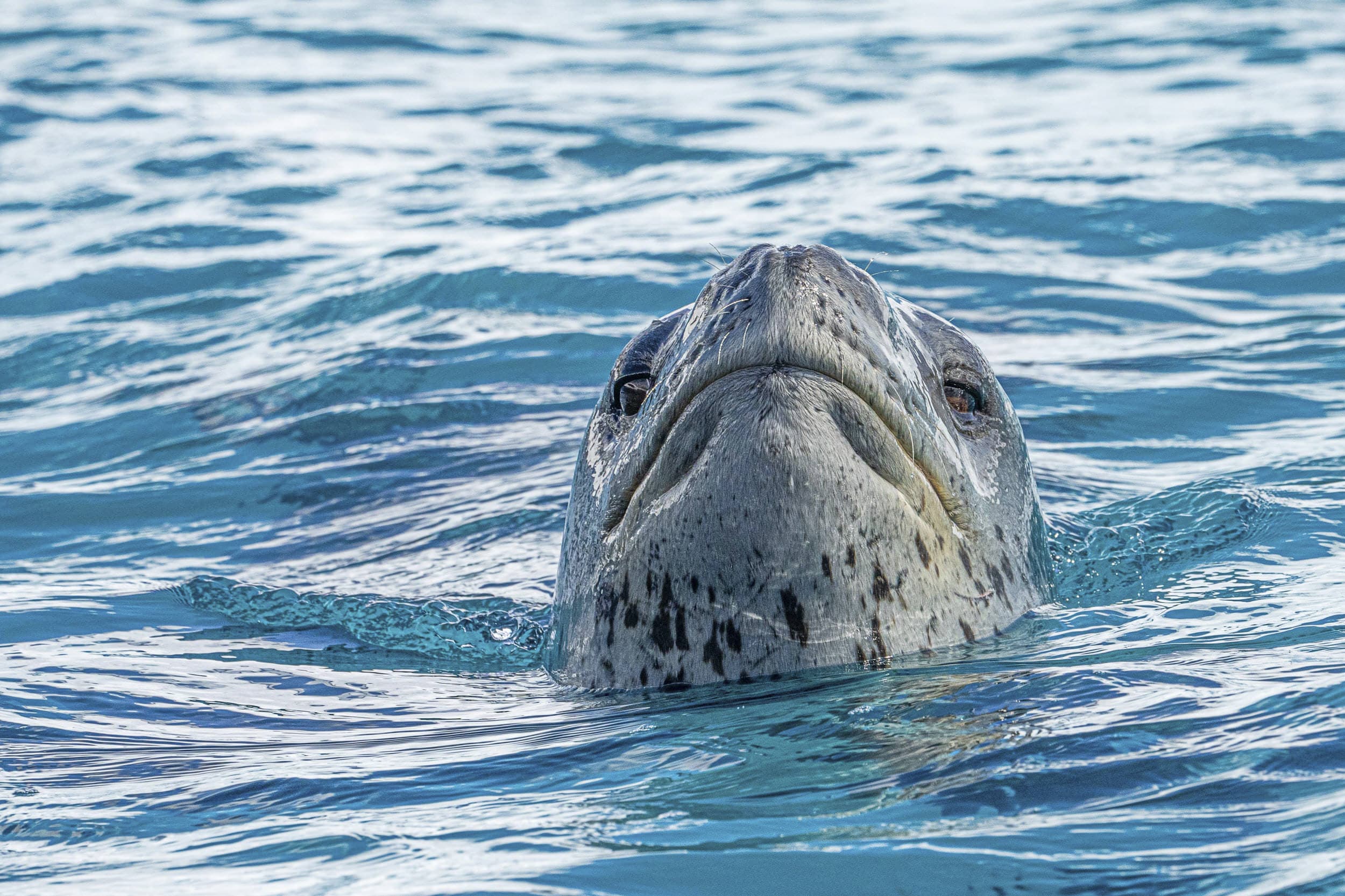
Shooting pictures of an iceberg our Zodiac was stopped when this curious leopard seal approached us. It could clearly see me and we stared at each other for a few seconds when it decided to dive into the ocean. The massive head exuded power and the confidence of being an apex predator in Antarctica. Danco Island, Antarctica.
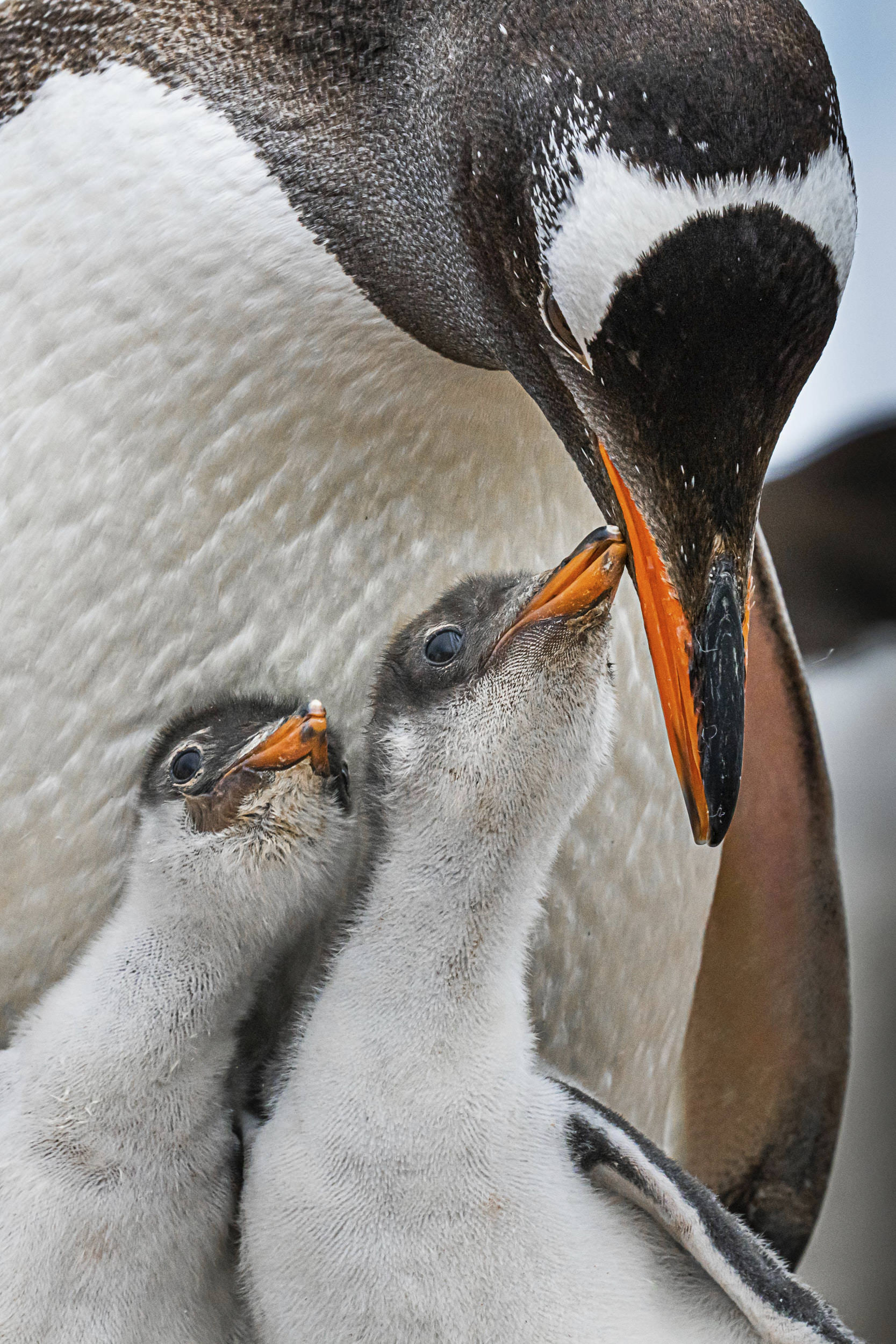
A gentoo penguin arches its neck towards its chicks who seem to bask in the adult's protection. A very tender moment in an otherwise harsh and fragile environment. Gentoo Penguins are threatened by climate change and by the overfishing by humans of krill, a tiny crustacean that is part of the penguins’ diet. In Paradise Bay, Antarctica.
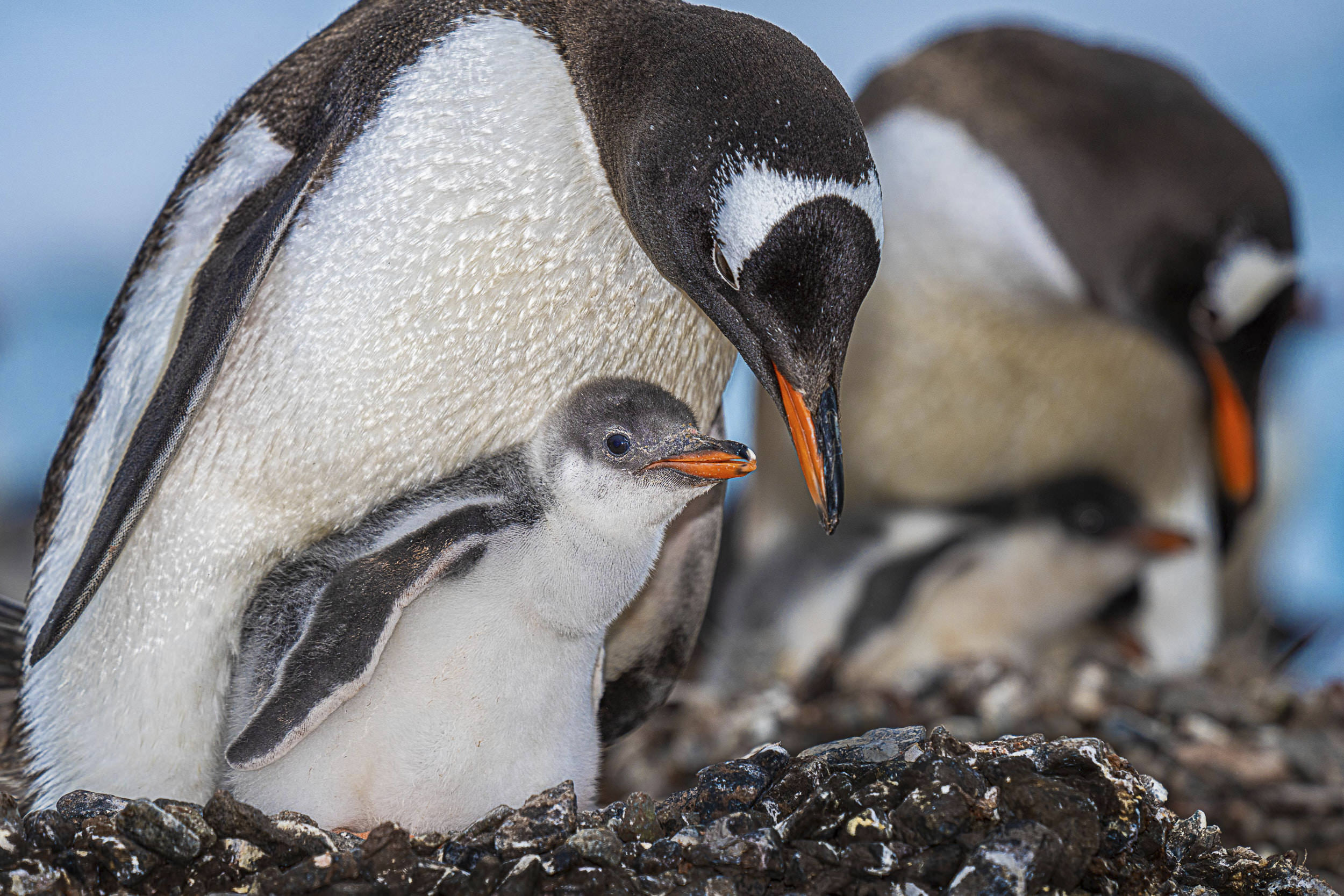
Two adult gentoo penguins tenderly arch their necks towards their respective chicks. Their instinctive movements happened in perfect symmetry. Gentoo Penguins are threatened by climate change and by the overfishing by humans of krill, a tiny crustacean that is part of the penguins’ diet. Bay, Antarctica.
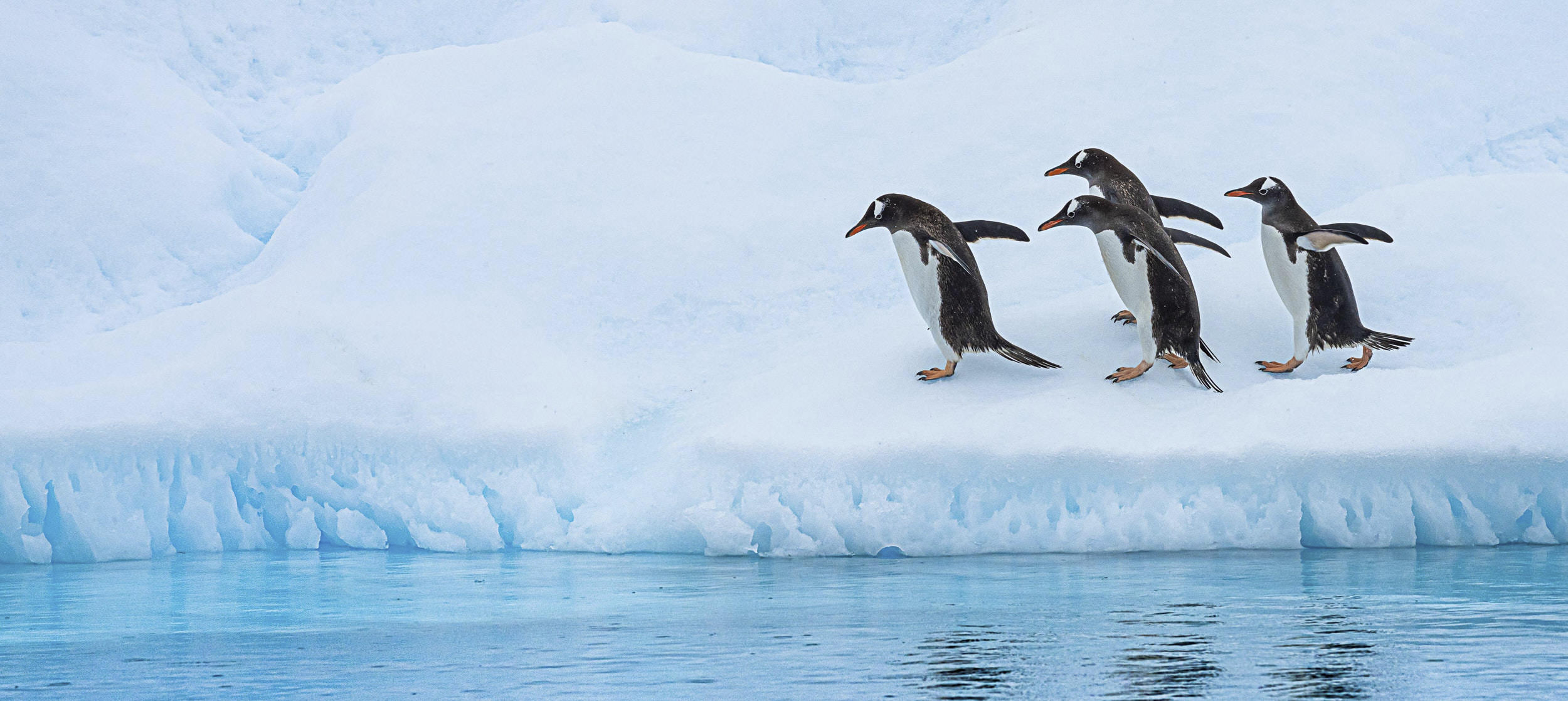
I was mesmerized by these four gentoo penguins rushing on an iceberg in perfect formation. They eventually stopped and decided to jump in the water. What a treat to see this beautiful natural display! In Paradise Bay, Antarctica.
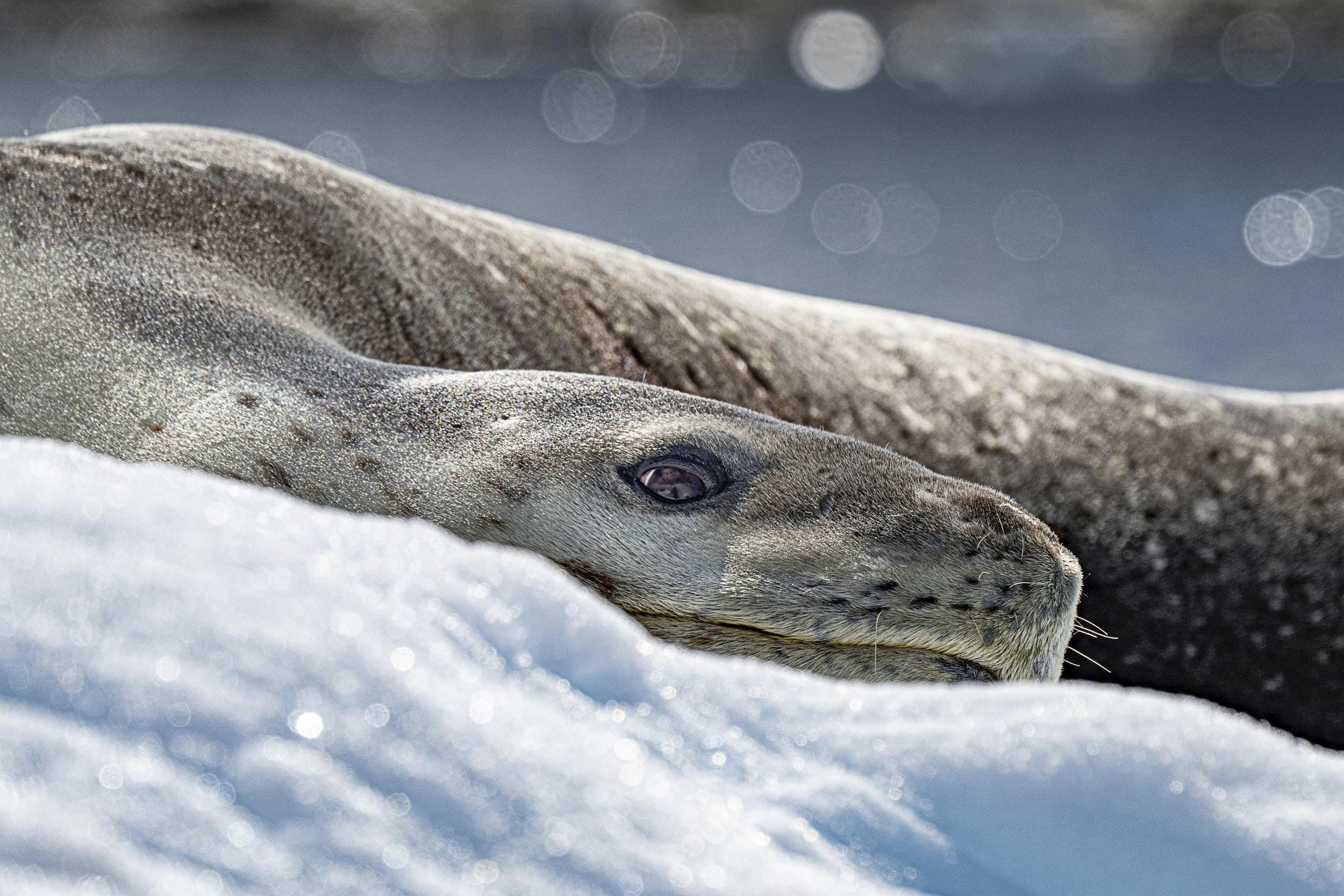
This lone leopard seal was basking on a small iceberg in the Antarctic summer late afternoon. The sun's reflections on the ice and in the water surrounded the beautiful animal which was resting on the ice. Peaceful moment in the life of this apex predator. Danco Island, Antarctica

I snapped this picture of these Galapagos Albatross during their mating rituals. These massive birds with an 8 ft wingspan (2.5 meters) spend hours stretching their wings, and gently touching each other’s bill in order to impress and select their mate.
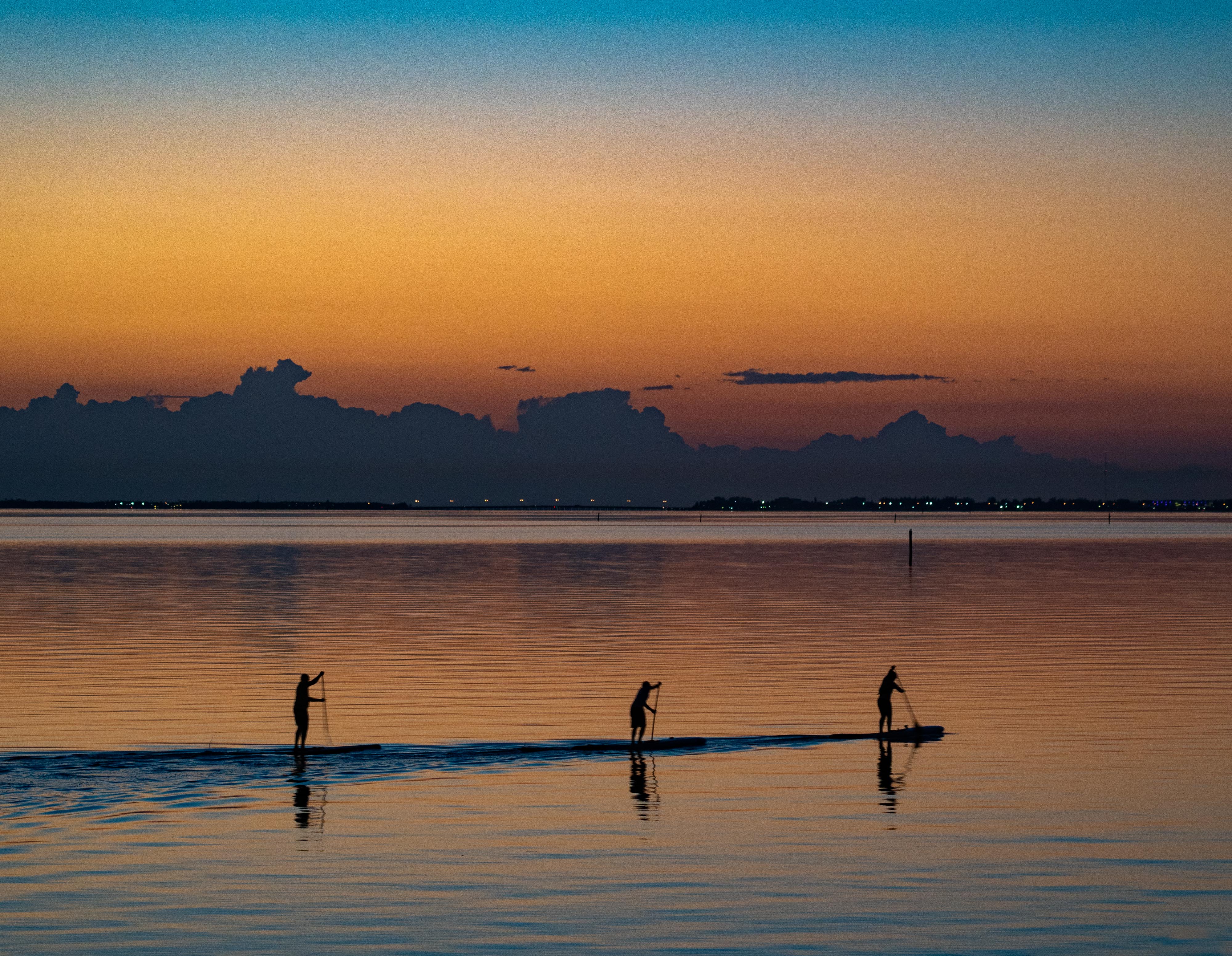
Yes the earth is round but looking at the ocean on the horizon it looks flat. Why? Because we humans are so small in relation to our planet even though we believe we are so important. Gorgeous sunsets like this one will continue long after the last humans disappear, let’s admire the beauty of our awesome planet!
Portrait of two boys in Malekula Island, Vanuatu
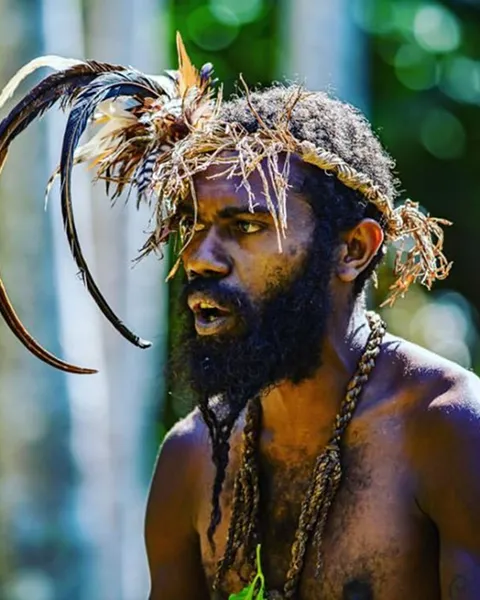
A charismatic man from Pentecost Island, Vanuatu.
A Blue Footed Booby takes tenderly care of its large chick. They are both well disguised in a tree in the Galapagos Islands. Approximately one half of all breeding pairs nest on these islands.
This Blue Footed Booby chick in the Galapagos Islands is making loud noises to alert its parents that it is hungry. It got feathers stuck in its beak which give it a comical look.
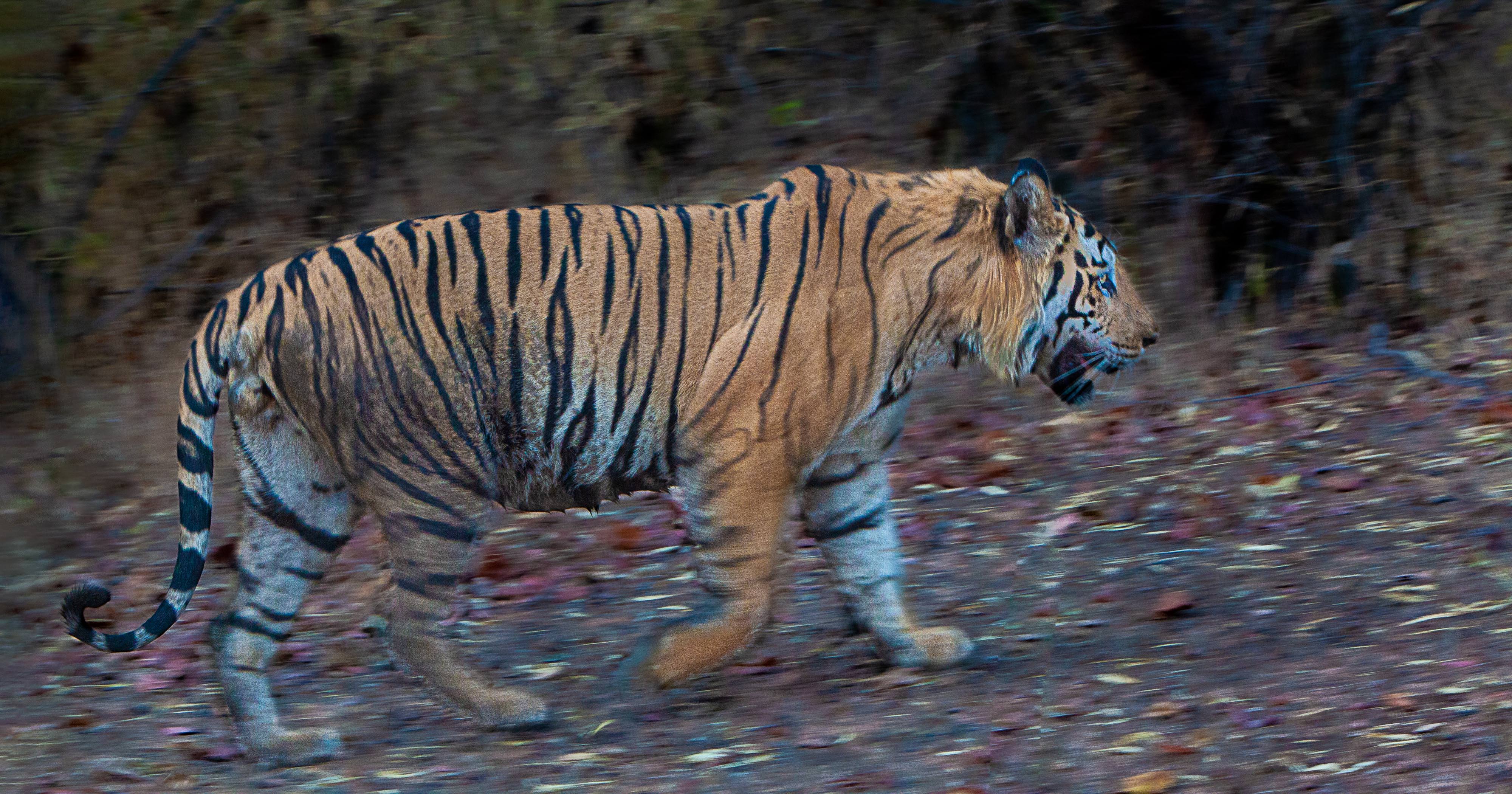
Tiger in motion at the Bandhavgarh National Park Tiger Reserve in India. The largest of the big cats. Endangered, threatened, maybe just a memory in a few years as its habitat is encroached by growing human populations and poachers kill a few more survivors every year. Why would anyone want a rug made of the skin of this magnificent animal? I really don’t get it.
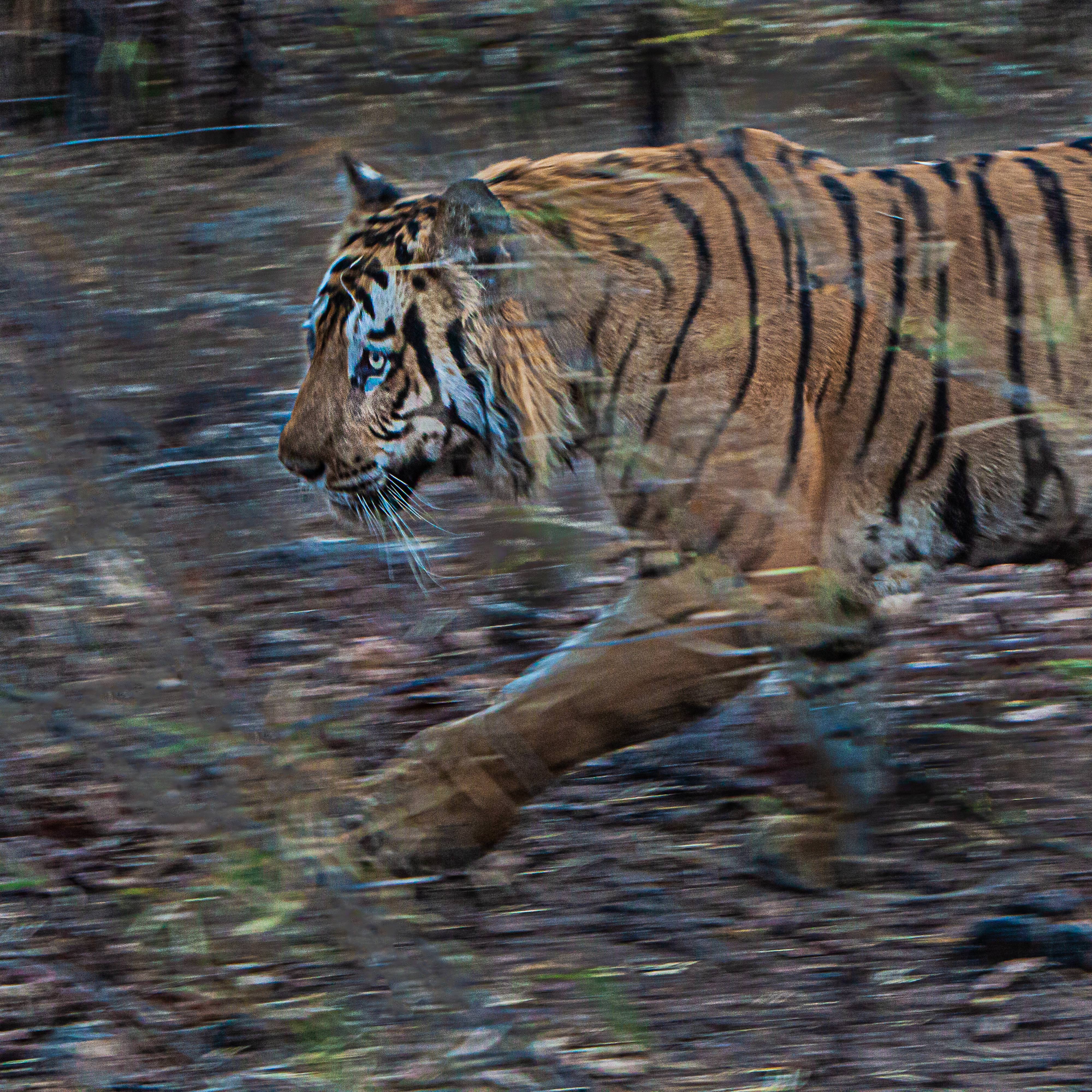
Tiger in motion at the Bandhavgarh National Park Tiger Reserve in India. The largest of the big cats. Endangered, threatened, maybe just a memory in a few years as its habitat is encroached by growing human populations and poachers kill a few more survivors every year. Why would anyone want a rug made of the skin of this magnificent animal? I really don’t get it.
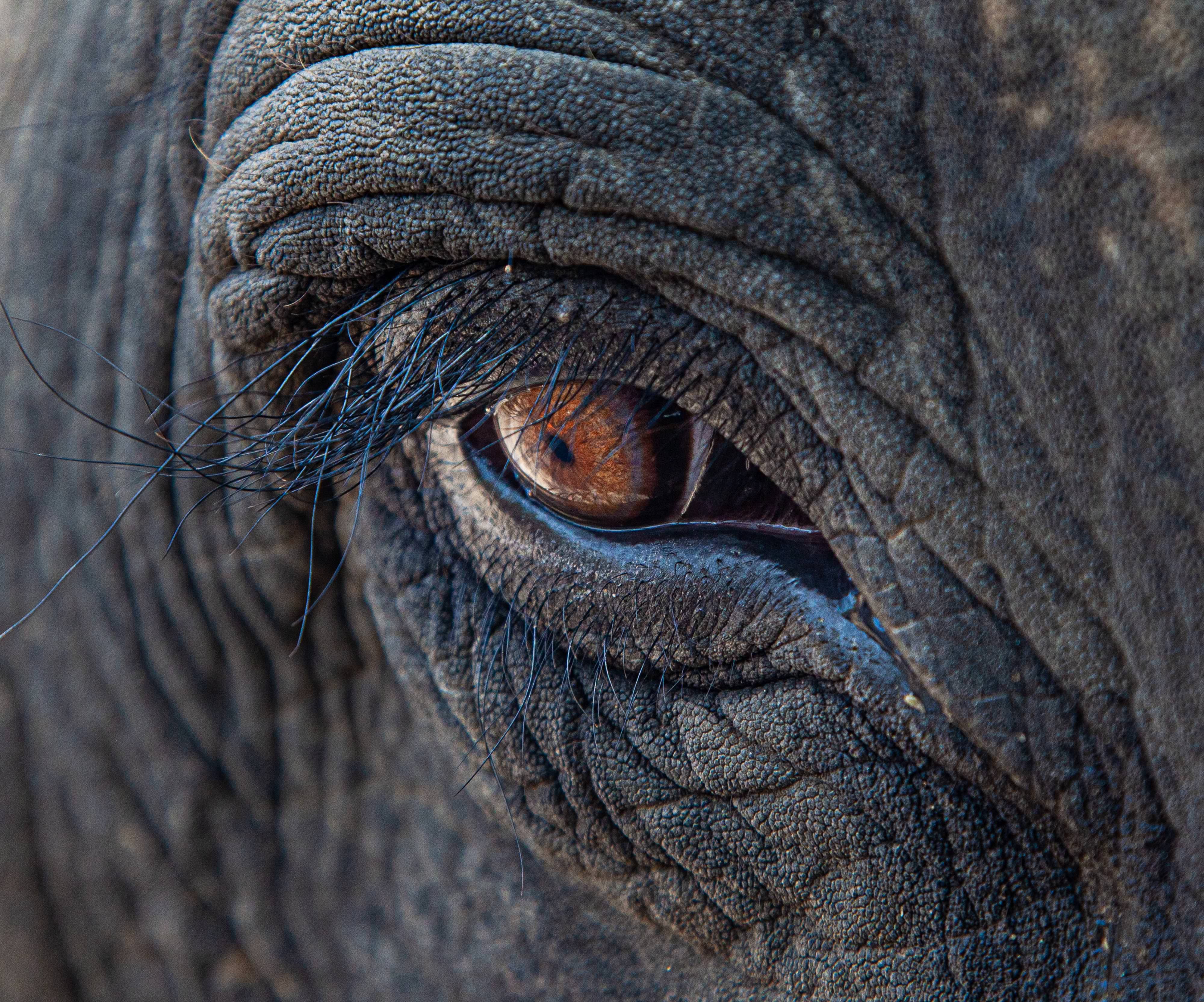
The Intimacy of Giants
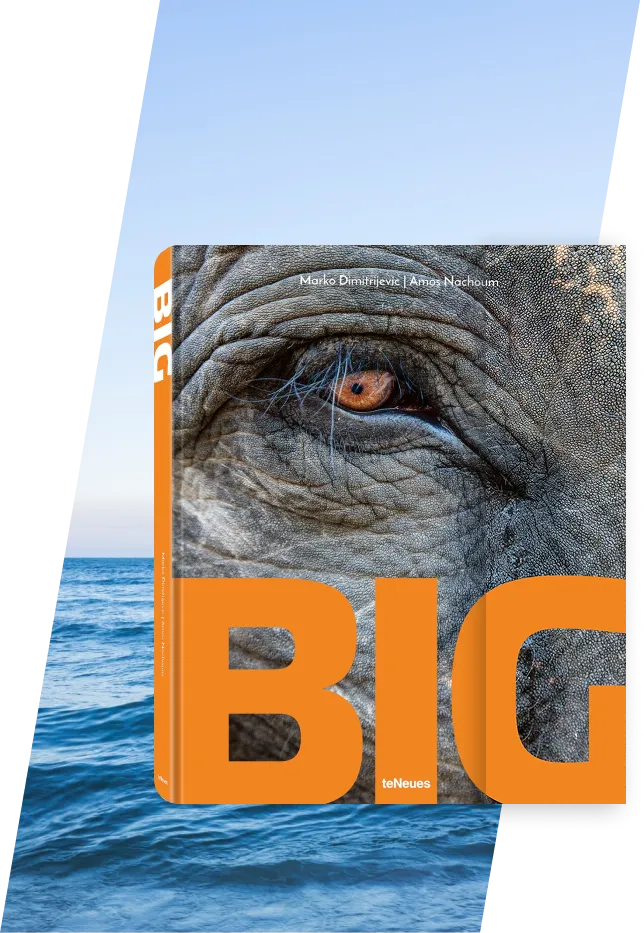
An elephant's amber eye emerges from a landscape of deeply wrinkled skin, each fold bearing the texture of a lifetime. In this intimate portrait, the animal's immense size disappears, replaced by a quiet, watchful gaze. A reminder that even the largest creatures can reveal their beauty in the smallest details. I chose similar photograph for the cover of my book BIG, celebrating the majesty and extraordinary presence of the world's largest animals.
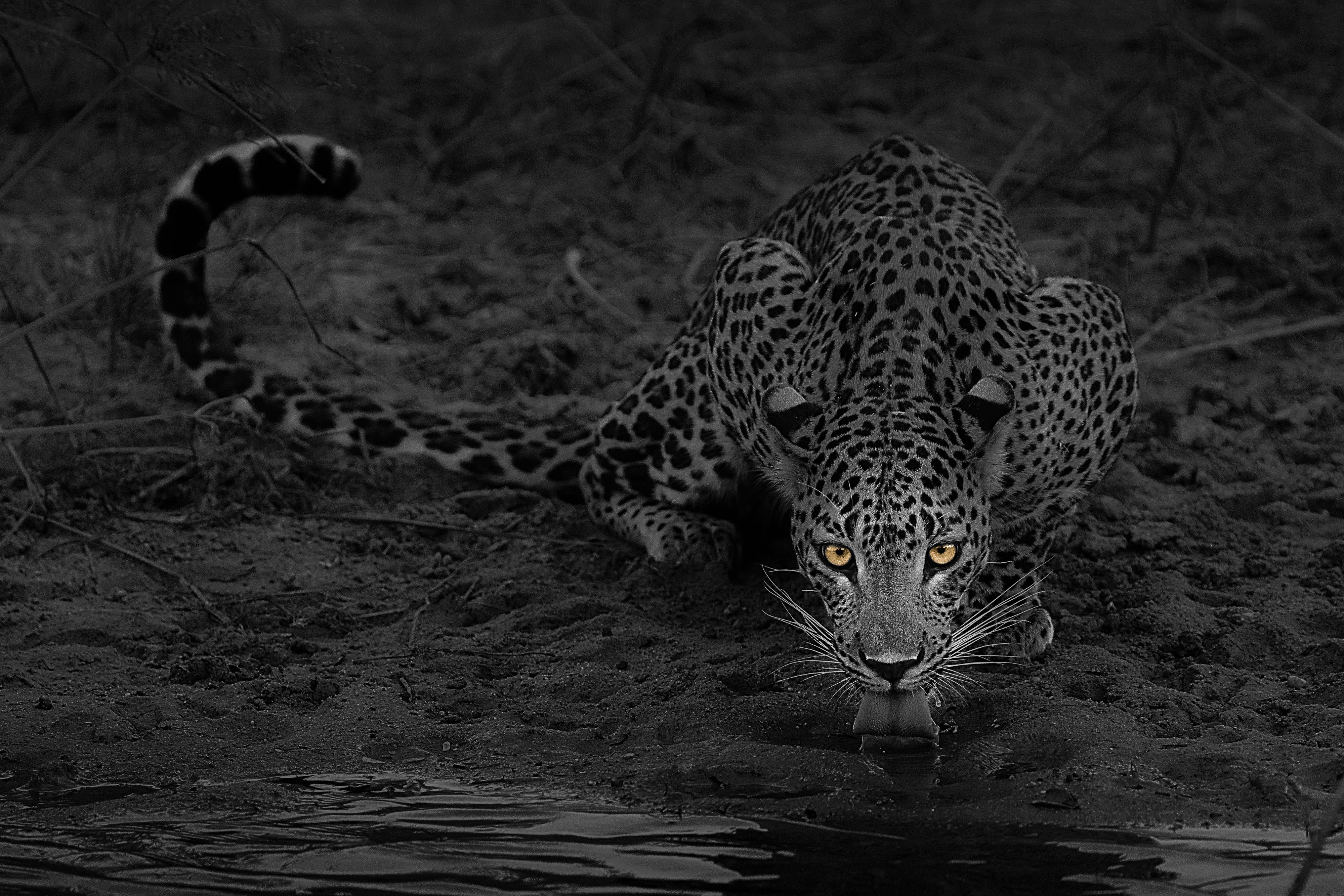
I waited two hours at the Yala National Park Sri Lanka, hoping the leopards would come drink at this water hole at dusk. When this beauty finally came the colors were dull so I decided to render it in black and white.
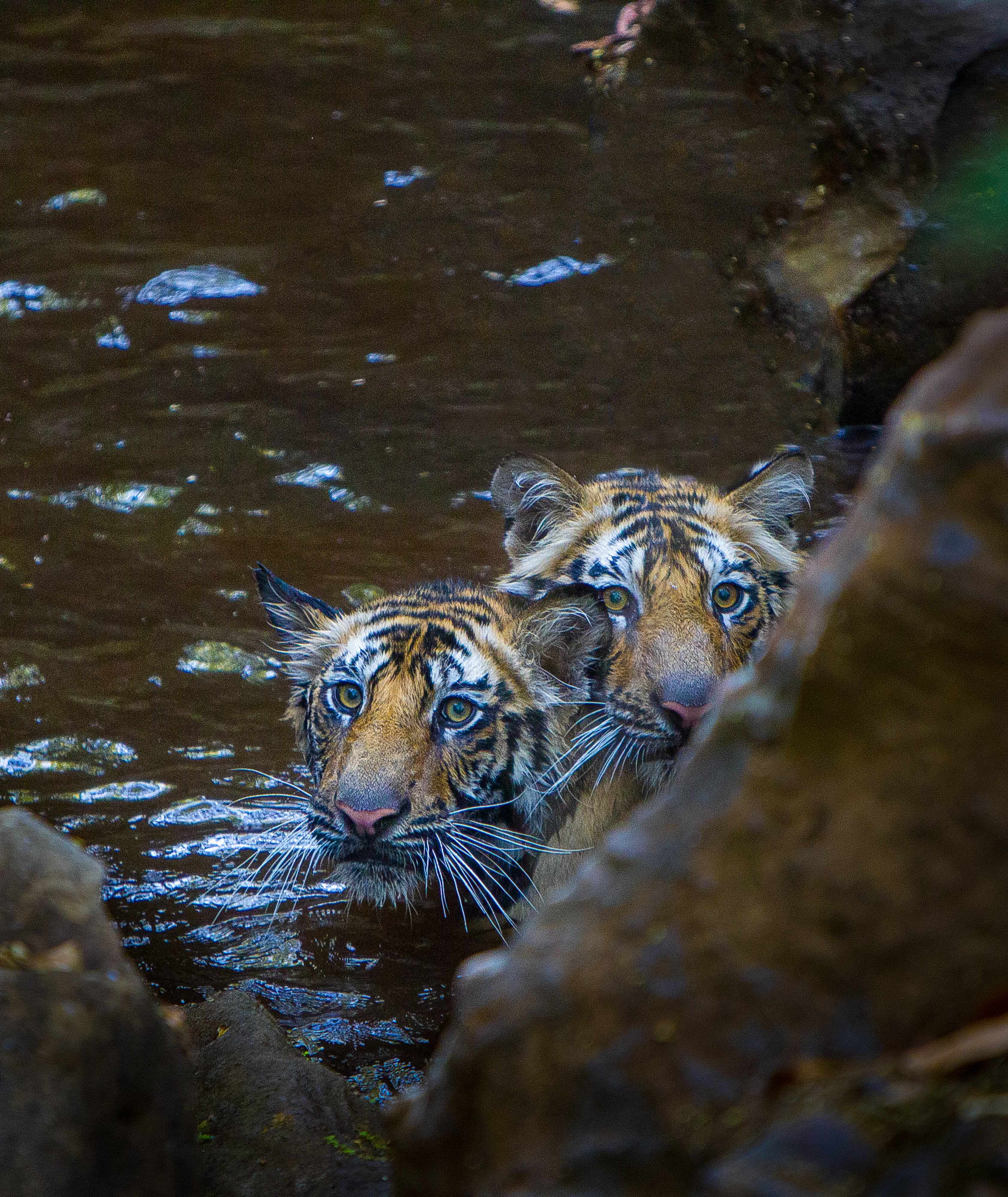
Bandhavgarh National Park Tiger Reserve, India
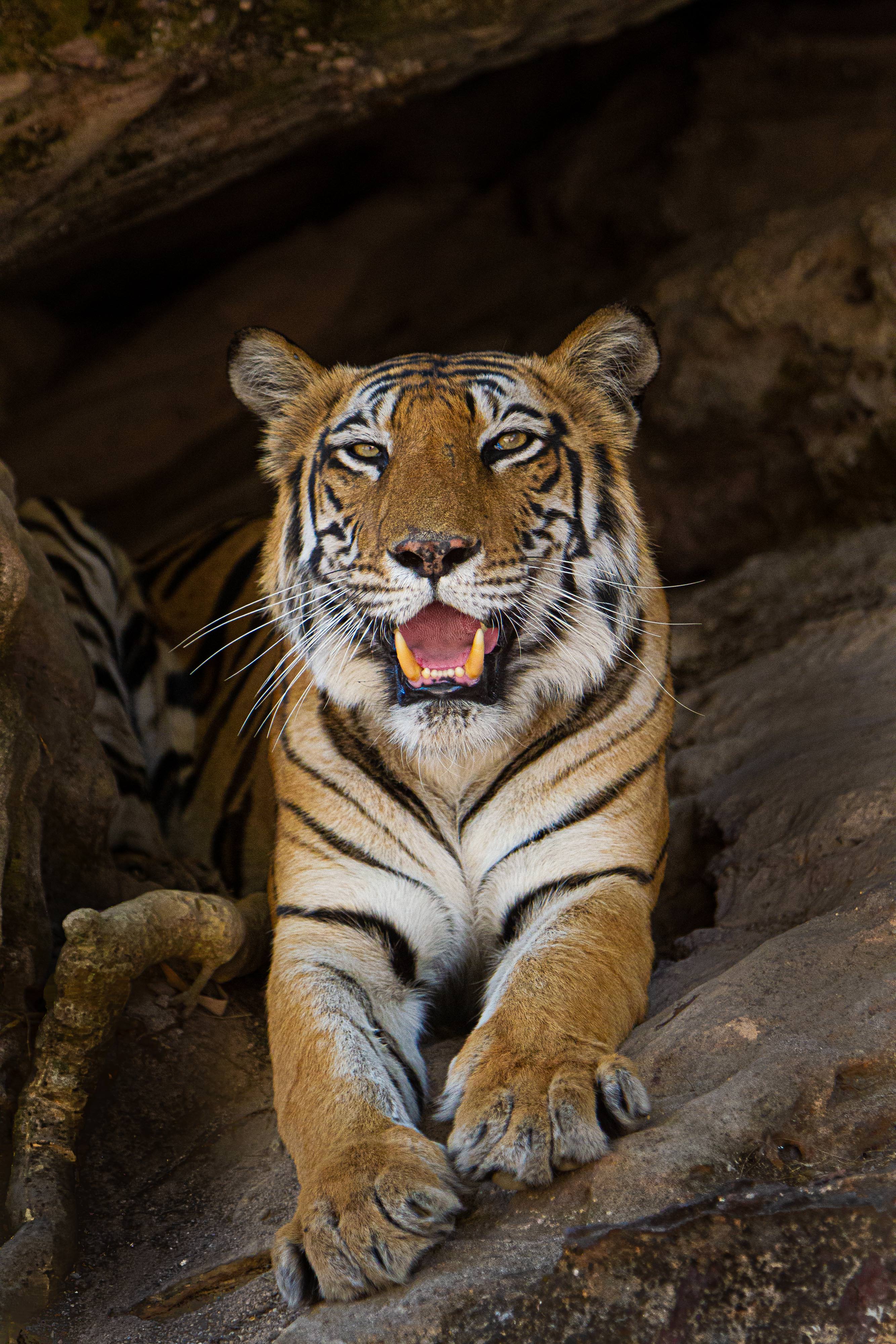
Few animals are at the top of my list of the most iconic: polar and grizzly bears , great white sharks and tigers. But for shear beauty tigers are at the top. It is sad that there are less than 4000 tigers left in the wild today and there is a high probability they they will go extinct in 10-20 years. Parks like Bandhavgarh in India where I shot this image do an admirable job in trying to protect tigers but when the tigers roam outside parks which they often do they can be killed and poachers remain a threat even inside the parks.
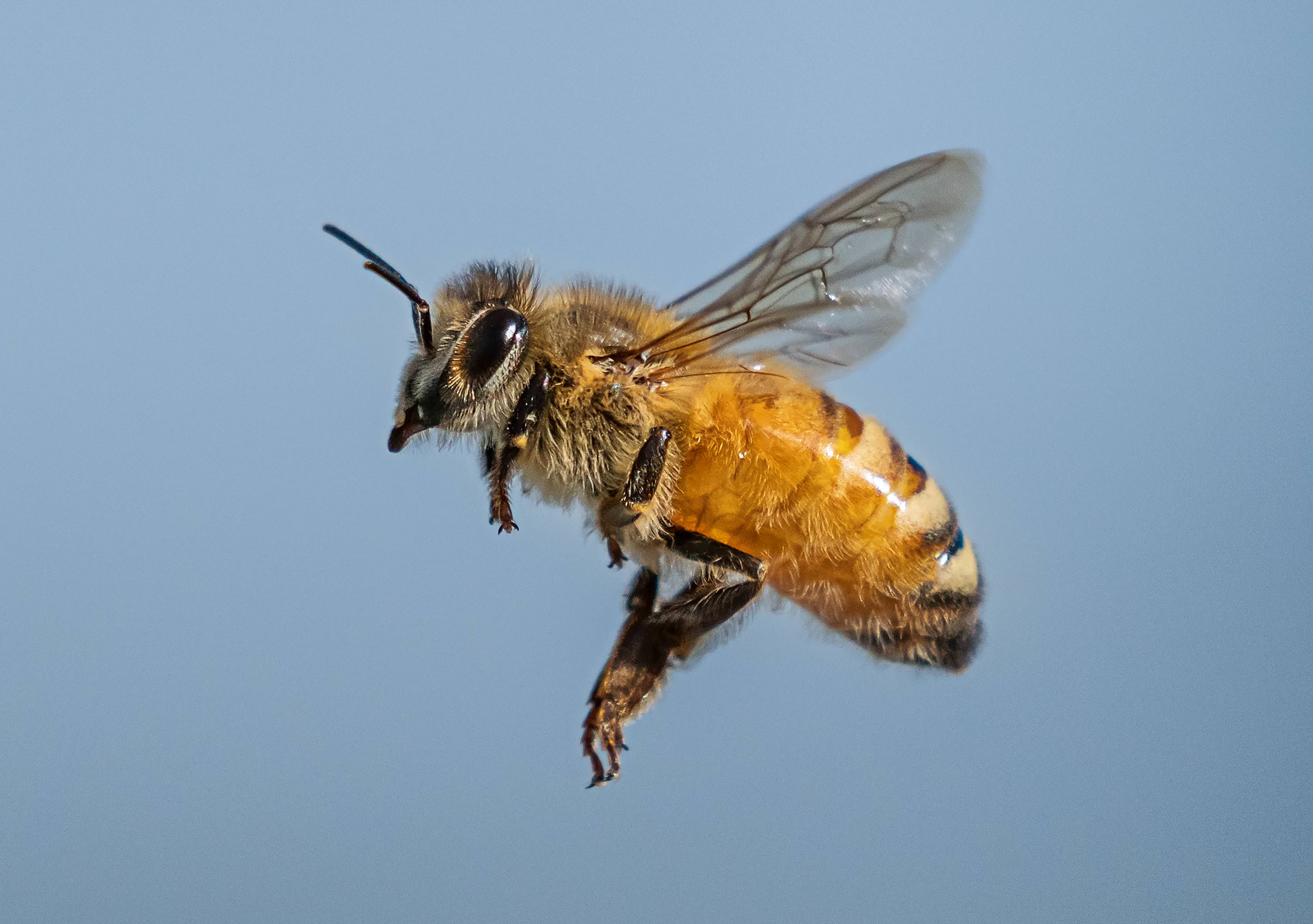
I love big animals: whales, sharks, Grizzly Bears but sometimes the smallest ones give me the most unusual pictures. Photography helps us see the movement of insects that our naked eyes cannot detect and see beautiful details of the smallest animals on earth.
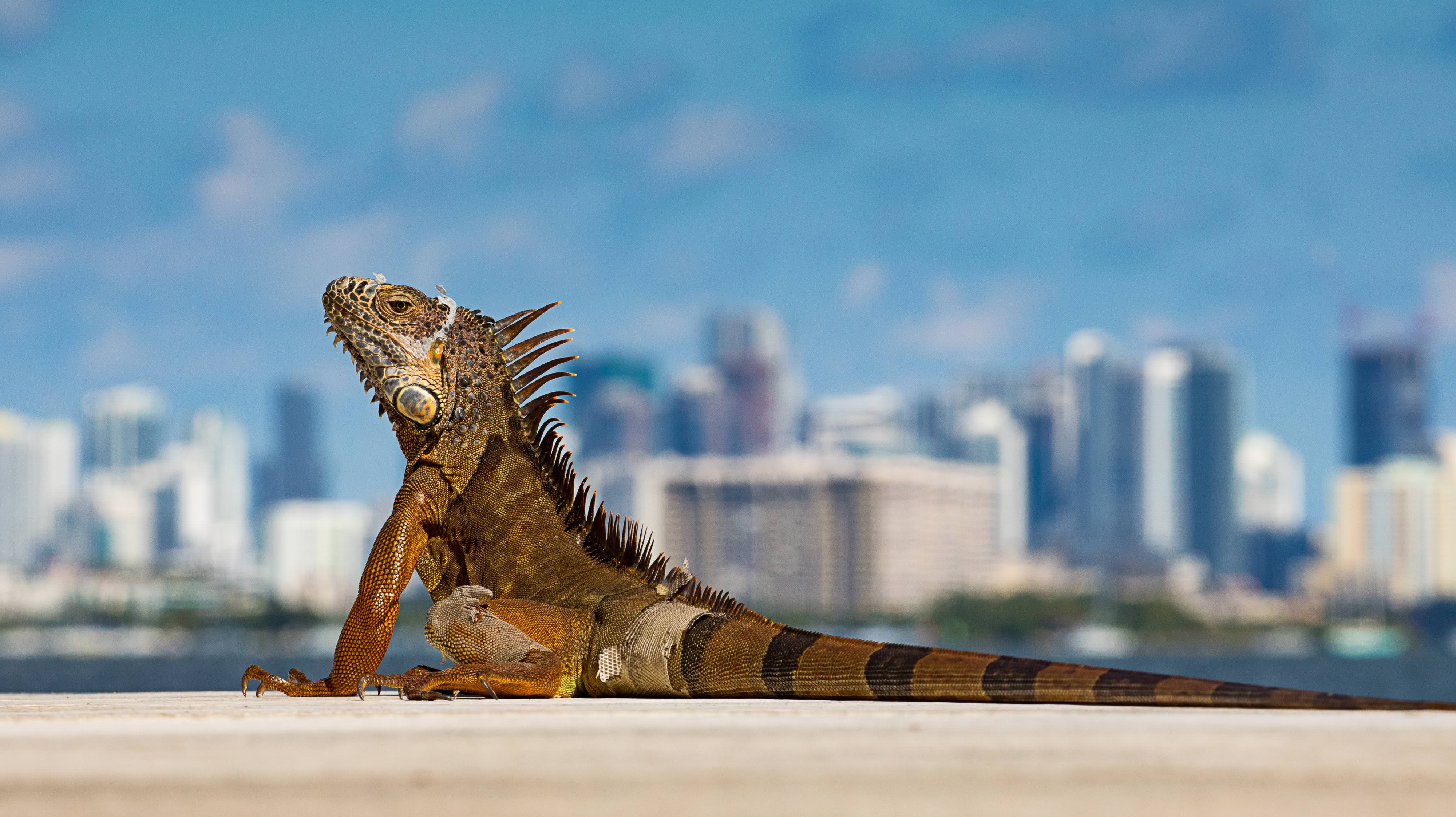
The Last Dinosaur — Miami, Florida
With the proud bearing of a prehistoric creature, a green iguana surveys Miami's glittering skyline from its sun-drenched perch. Its ancient silhouette stands in striking contrast to the modern metropolis beyond—a reminder that in the heart of a city built for humans, another world quietly thrives.
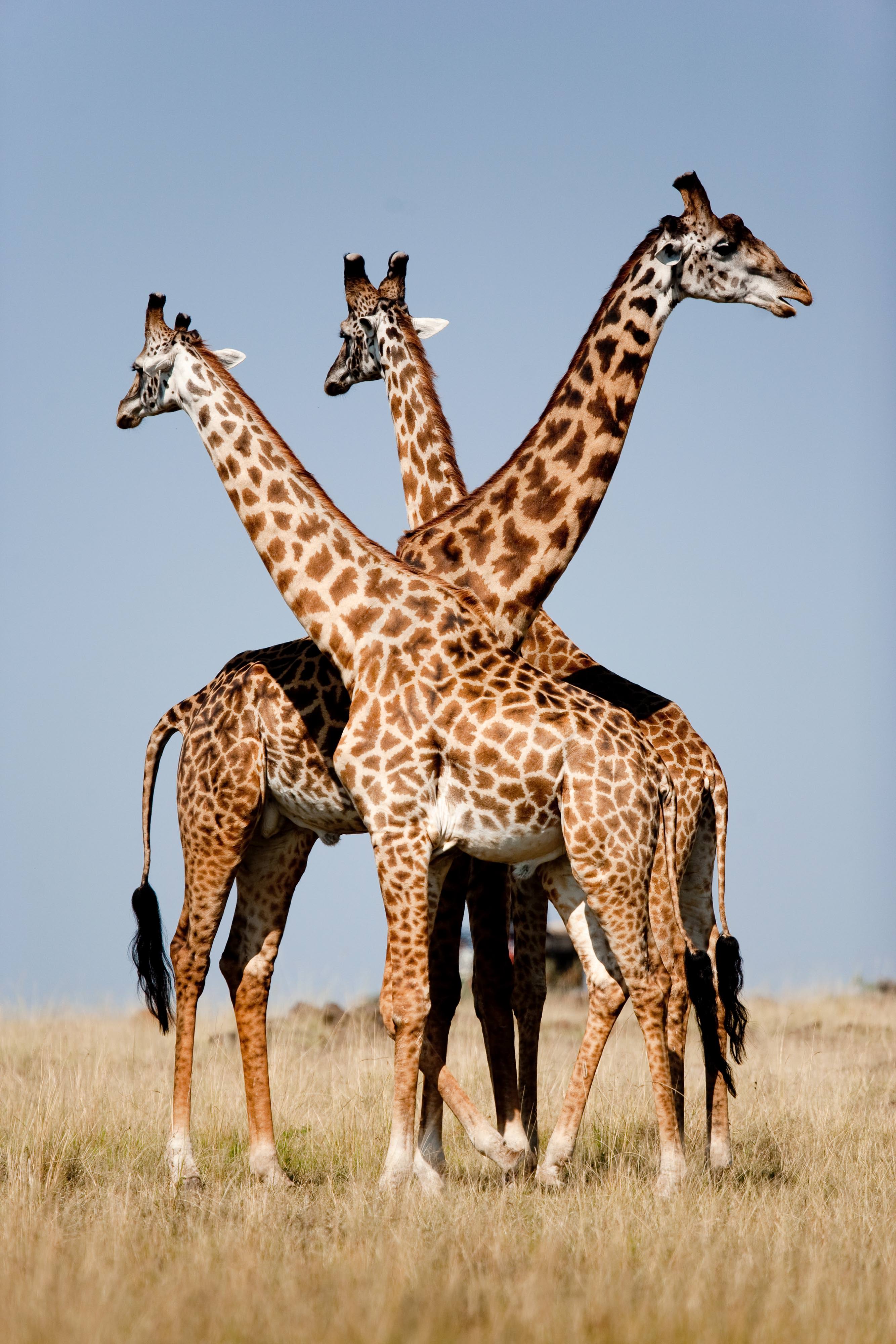
Giraffes at the Kruger National Park, South Africa
Kruger National Park, in northeastern South Africa, is one of Africa’s largest game reserves. Its high density of wild animals includes the Big 5: lions, leopards, rhinos, elephants and buffalos. Hundreds of other mammals make their home here, as do diverse bird species such as vultures, eagles and storks. Mountains, bush plains and tropical forests are all part of the landscape.
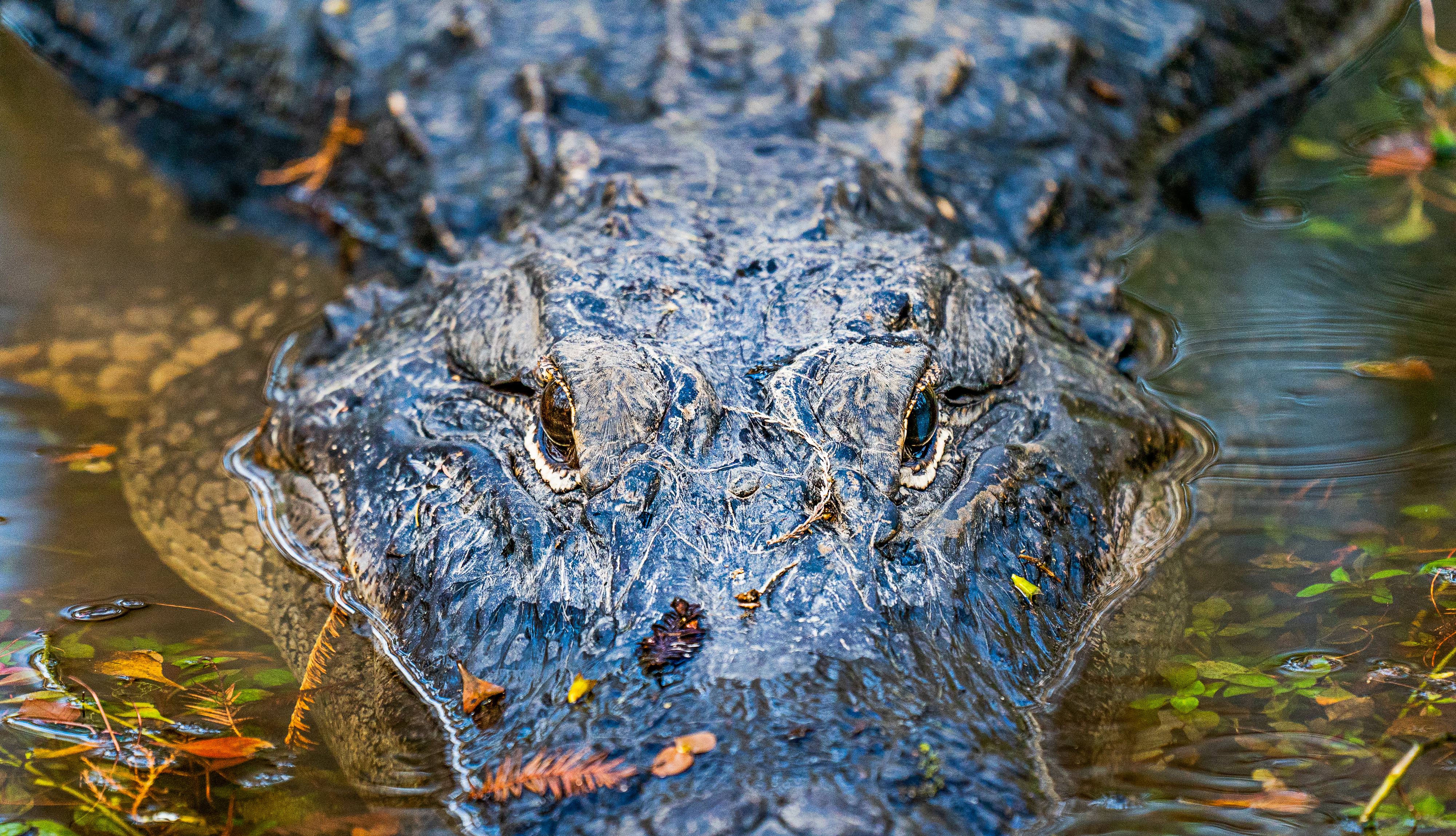
An up close portrait of an adult alligator in the Everglades. There are amazing details in the eye of this big reptile that you don’t see when looking at the whole animal. Immobile, it’s eyes scan the surroundings for the smallest movement. If the source of the movement is close enough it will unleash its powerful jaws to grab and slash whatever it saw. Meanwhile if there are no movements it can lay still for hours, preserving its energy. A very efficient predator.
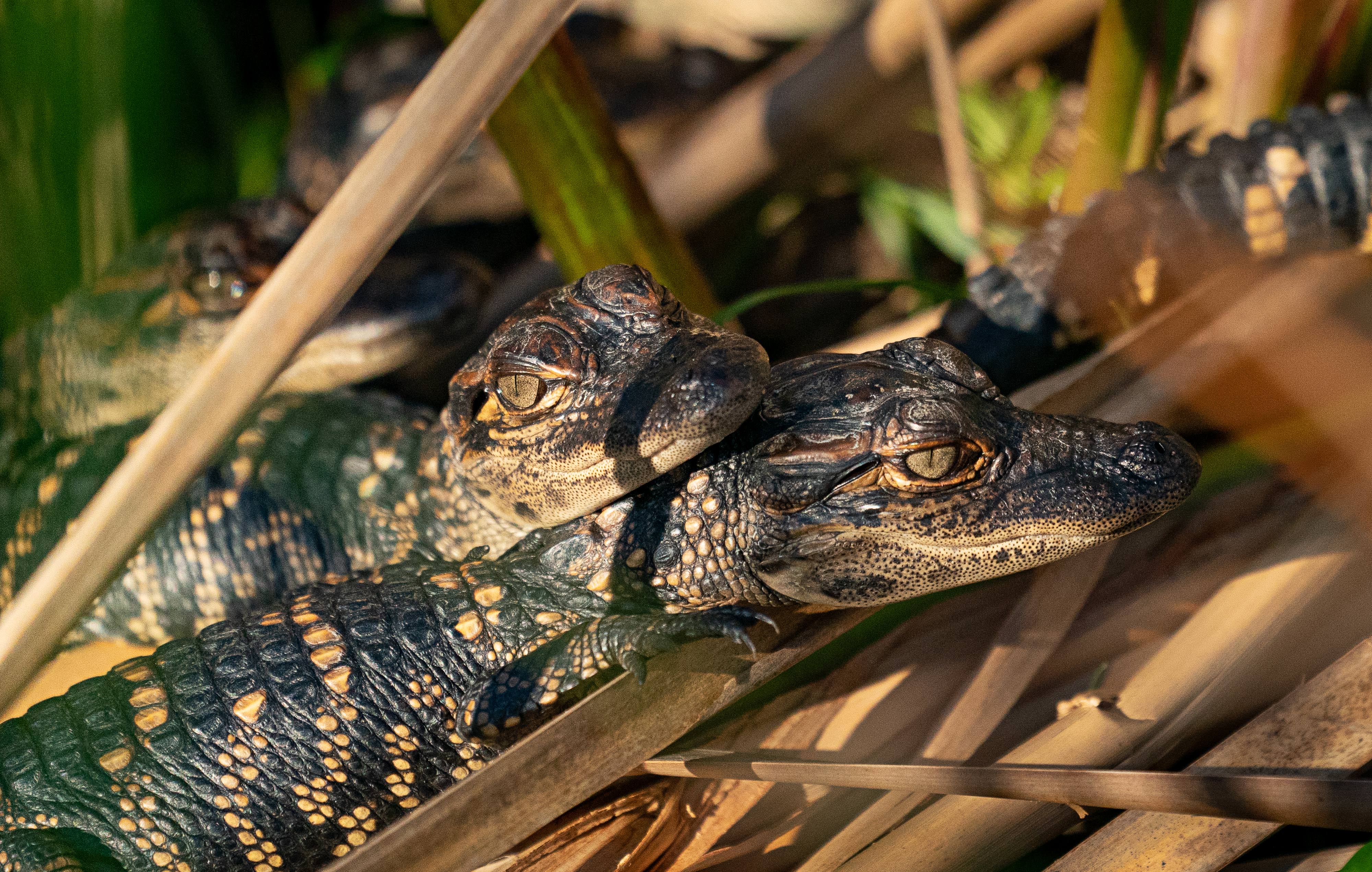
Even terrifying animals are cute when babies. In the Everglades National Park these baby alligators measure less than a foot (30 cm) and are blending among the aquatic tall grass to avoid predators. Before becoming a 10-15 ft (3-4.5 meters) adult that is the apex predator of its realm, this babies could be a nice meal for various birds and larger alligators.
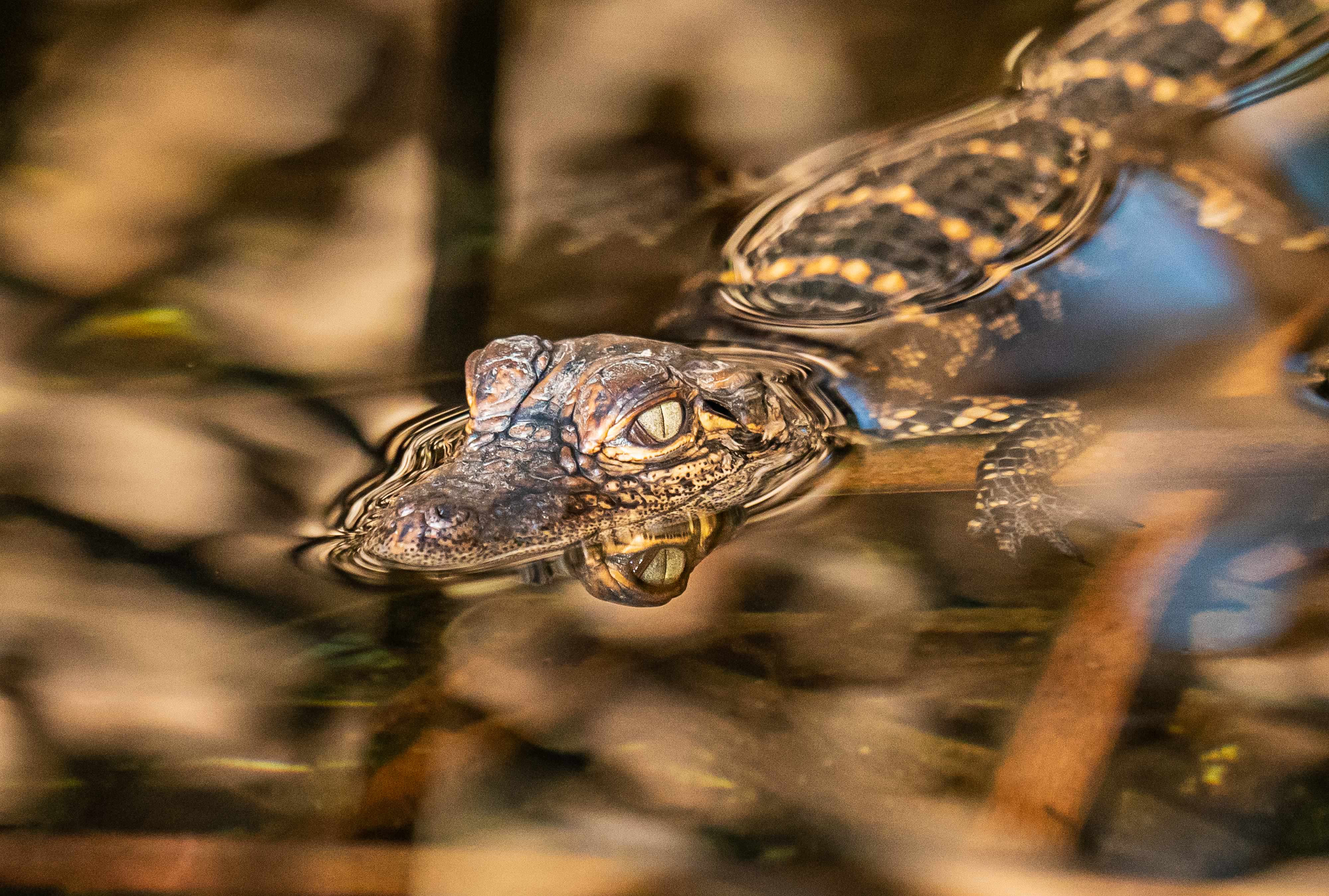
A very young baby alligator swims slowly in the Everglades National Park, near Miami. His wide open eye is perfectly reflected by the water's surface.
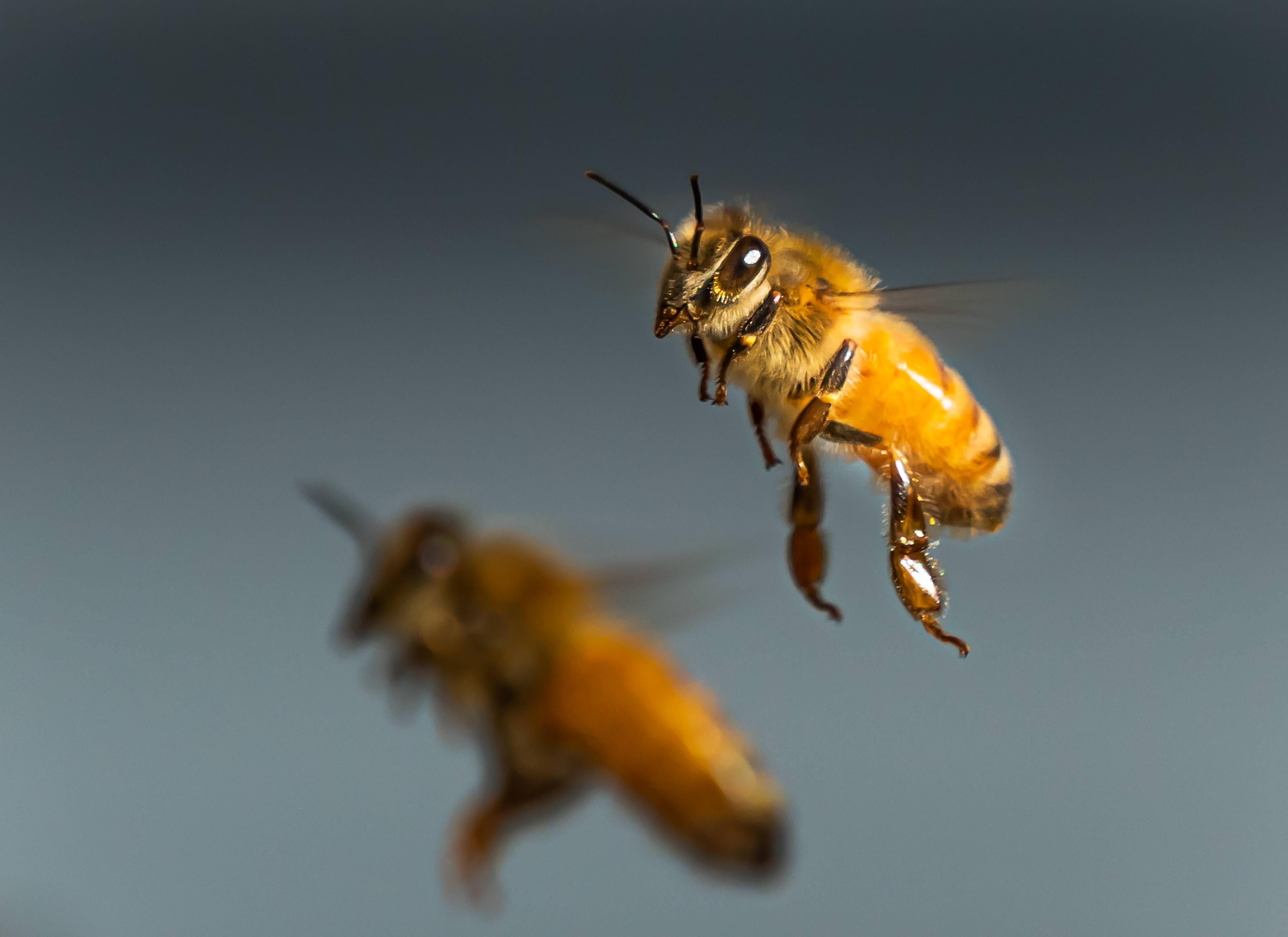
Two bees in flight I photographed in Queenstown, New Zealand. If you zoom in you can see the detail of the head and the eye of the bee on the right. The one on the left is out of focus. As you focus very close to small objects the depth of field diminishes a lot: you only have an are of focus maybe 1/8 of an inch deep (or 3-4 mm ). So the focus is only on the one on the right, on the left one you can see the shape of the legs.
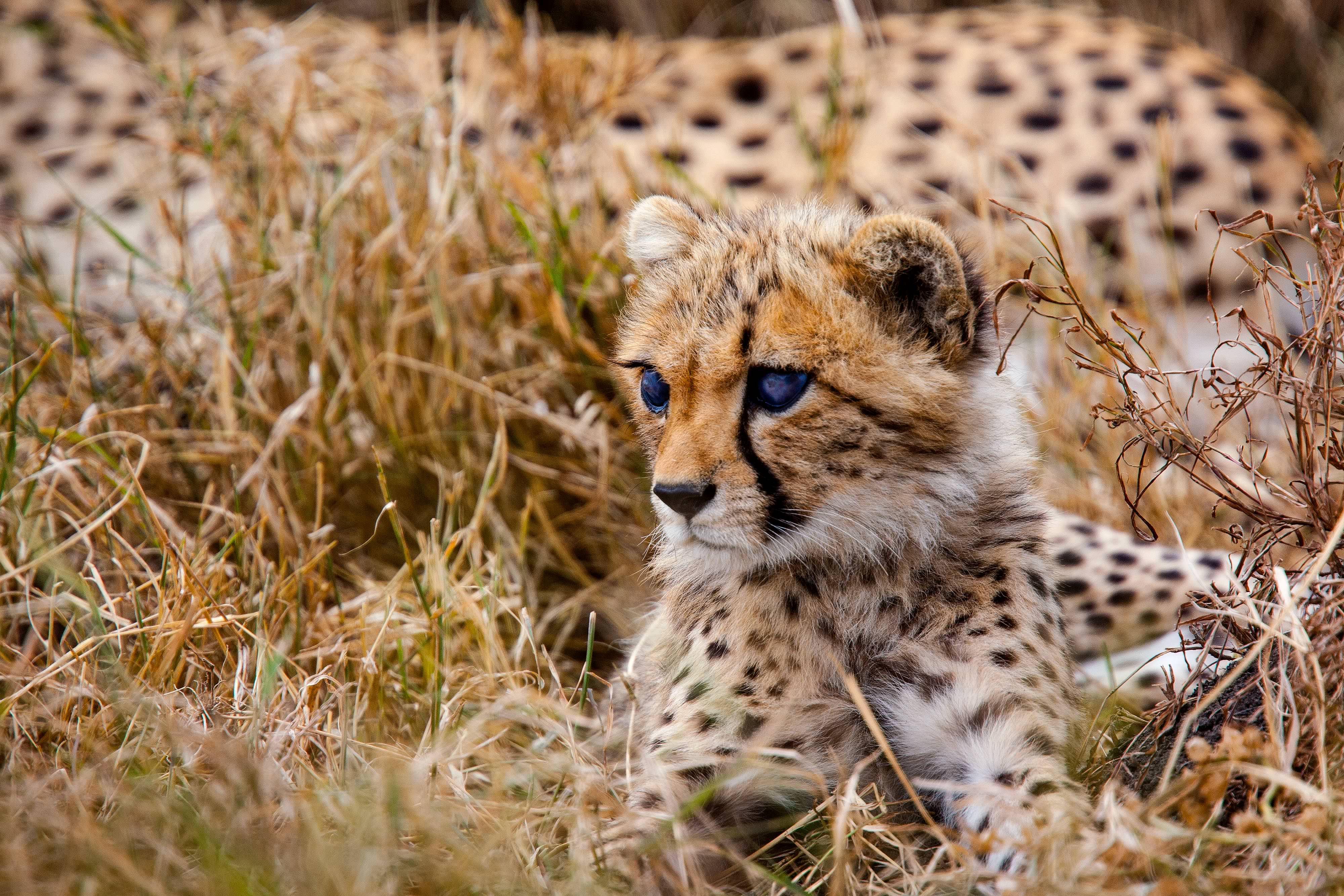
One of my favorite Cheetah pictures taken at the Kruger National Park. A very young cub starring at the world. Kruger Park is one of Africa’s largest game reserves. Its high density of wild animals includes lions, leopards, rhinos, elephants and buffalos. Hundreds of other mammals make their home here, as do diverse bird species such as vultures, eagles and storks. Mountains, bush plains and tropical forests are all part of the landscape.
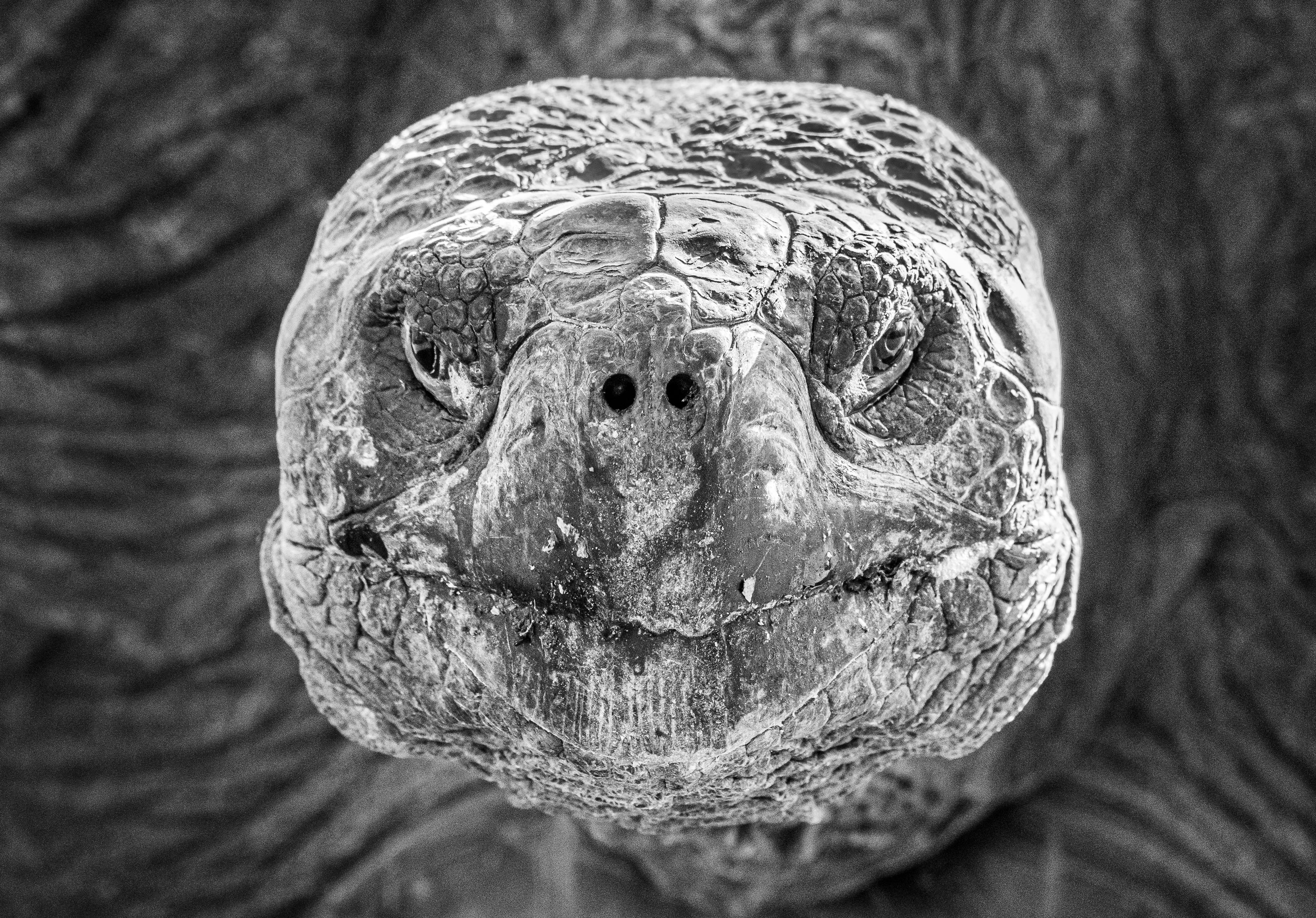
A portrait of The Galapagos giant tortoise. Capable of living well over 100 years they develop unique wrinkles and spots I feel black & white is a good way to show the texture of the tortoise skin. The giant tortoise is one of the most iconic animals found in the Galapagos. It is the largest tortoise on earth with adults weighing up to 900 pounds (400 kg). Now protected they were decimated by sailors taking them for food on their ships. As they can live up to a year without food they offered a source of fresh meat for boats making long crossings.
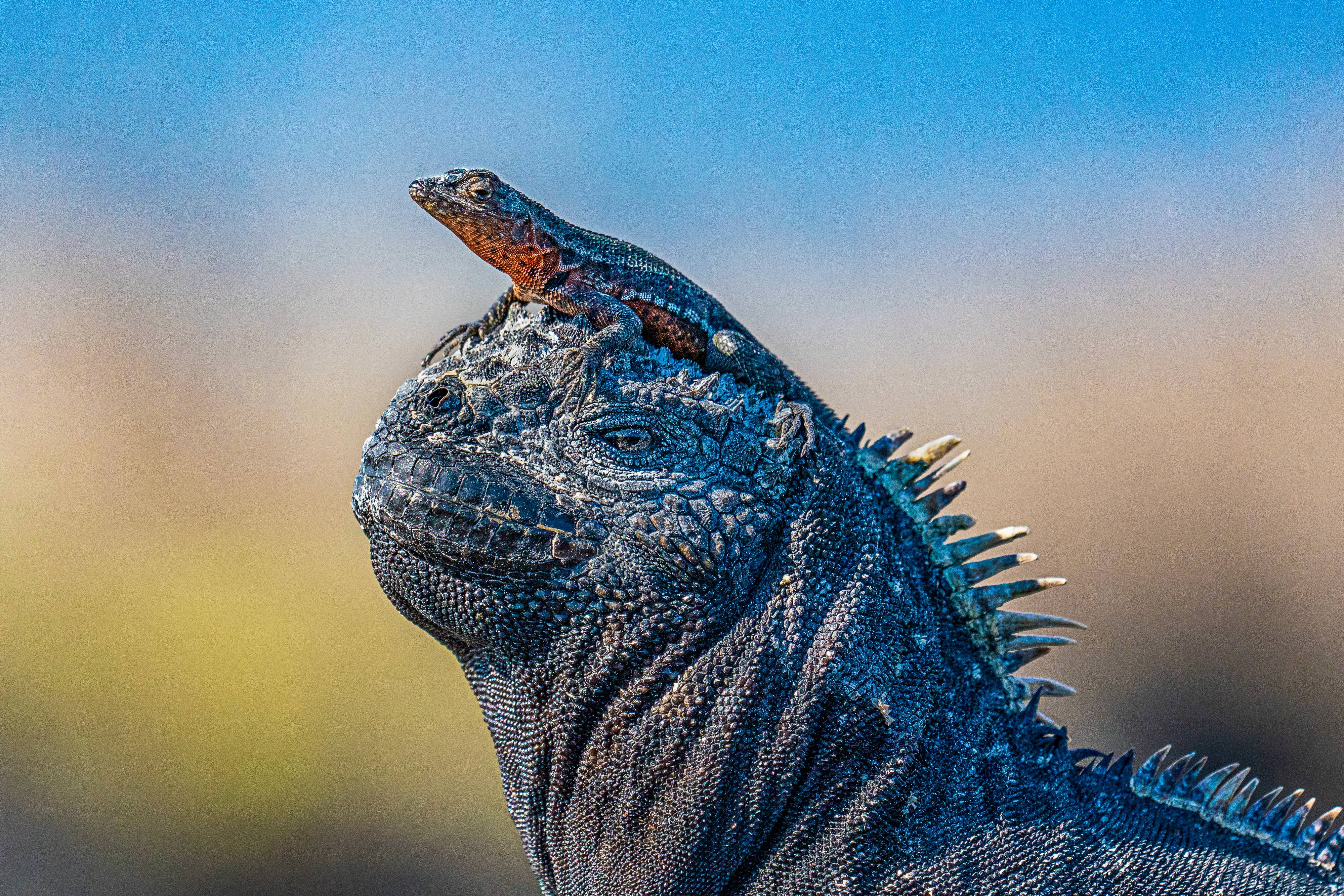
An Unlikely Throne — Galápagos Islands, Ecuador
A tiny lava lizard perches confidently atop the head of a marine iguana, seemingly oblivious to the imposing creature beneath it. Their contrasting sizes, colors, and textures create a whimsical portrait of two remarkable reptiles found only in the Galápagos, where even the most unlikely encounters seem perfectly natural.
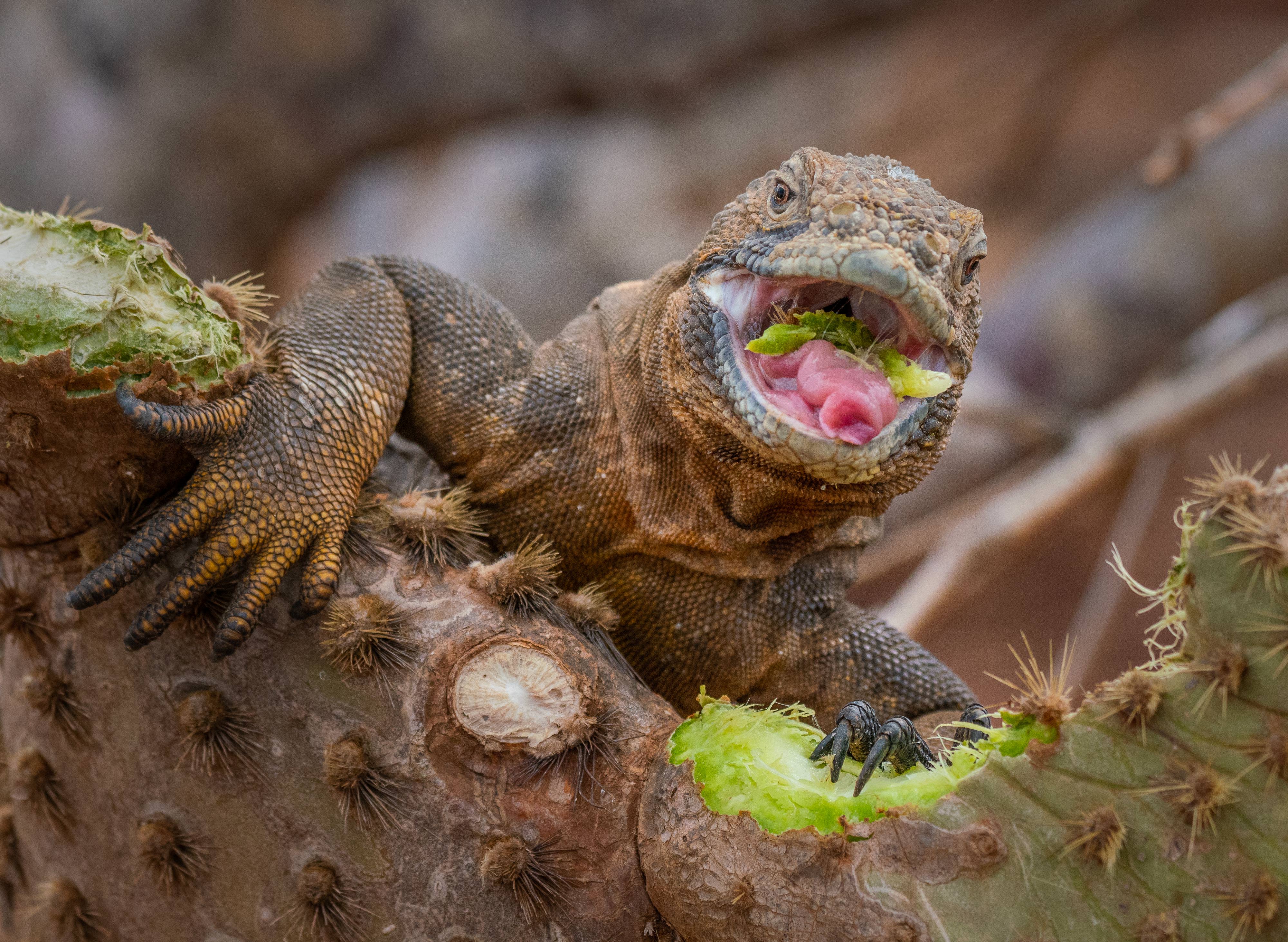
A close up of a Galapagos land iguana eating what looks like a delicious cactus. The iguana just swallows large chunks of the plant not bothered by its spines. It not only provides the reptile with food but also is an excellent source of water on Islands that lack fresh water sources. I love the details of the iguana skin that you can observe by zooming in.
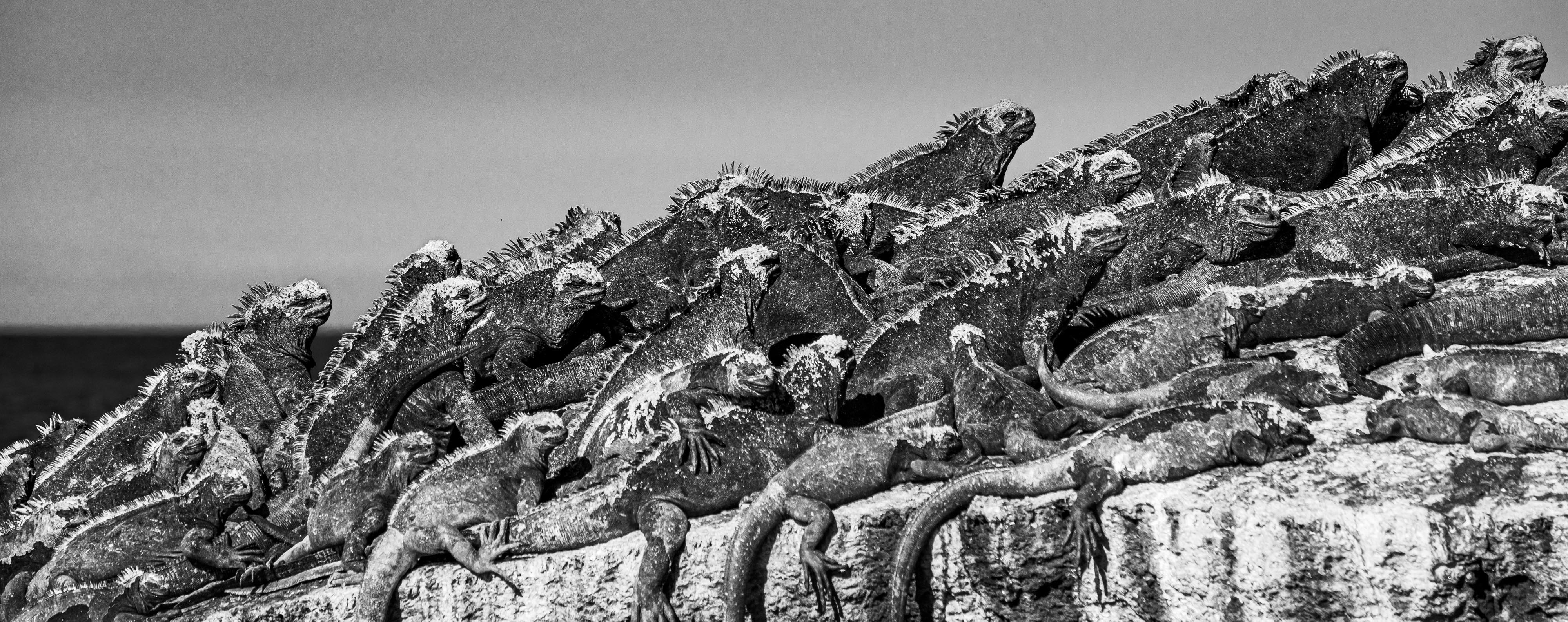
Marine iguanas are found only in the Galapagos Island. This particular specie evolved to operate both on land and in the water. Unlike other iguanas who can also sometimes swim, the Galapagos Marine Iguanas can also feed under water , grazing on aquatic plants and algae.
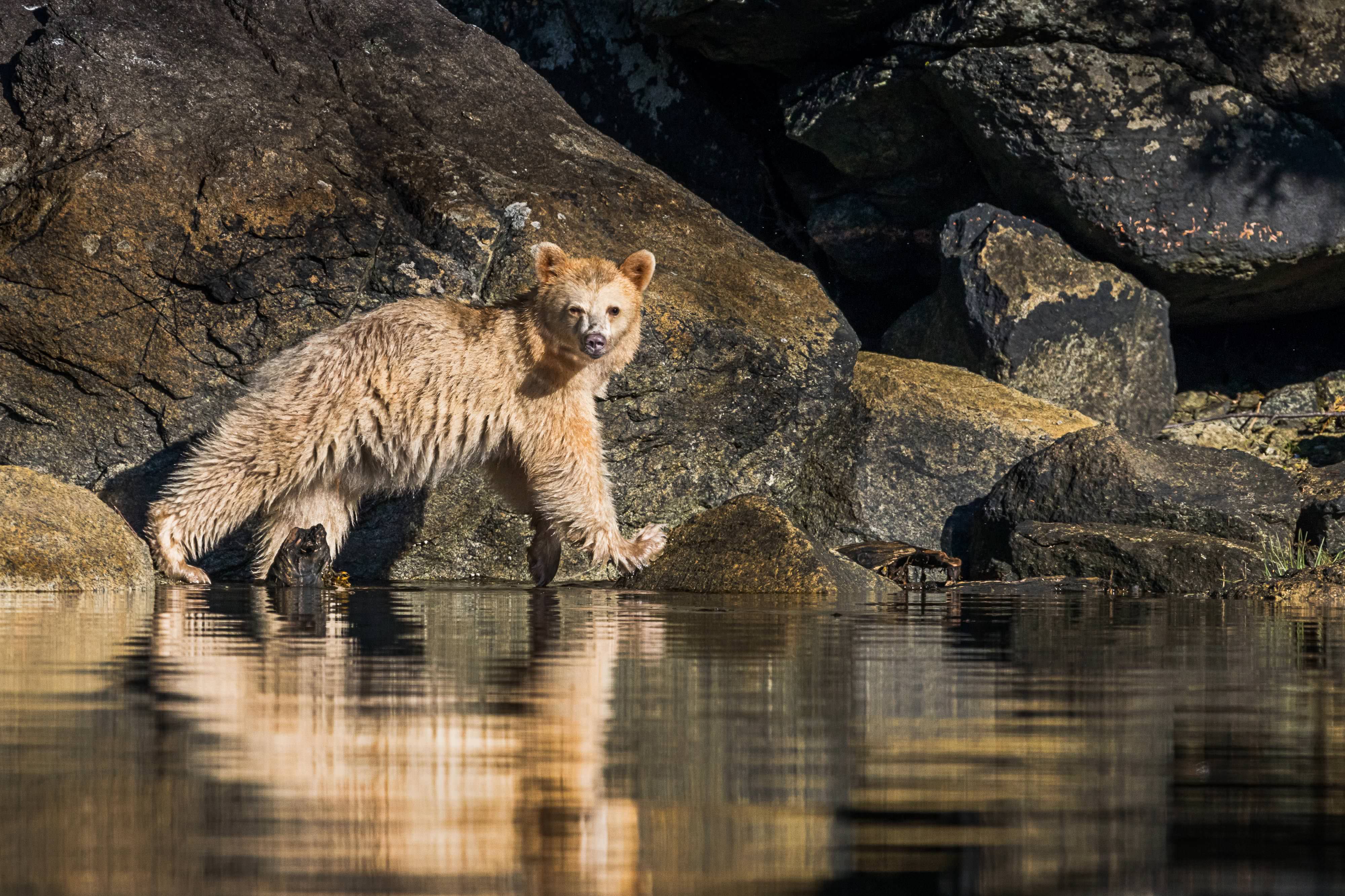
The extraordinary Spirit Bear or Kermode Bear. Found only in British Columbia this is not a polar bear but a black bear. But if both parents have a mutation in a gene that affects pigment production their cub have white fur! Some locals believe they are supernatural animals.
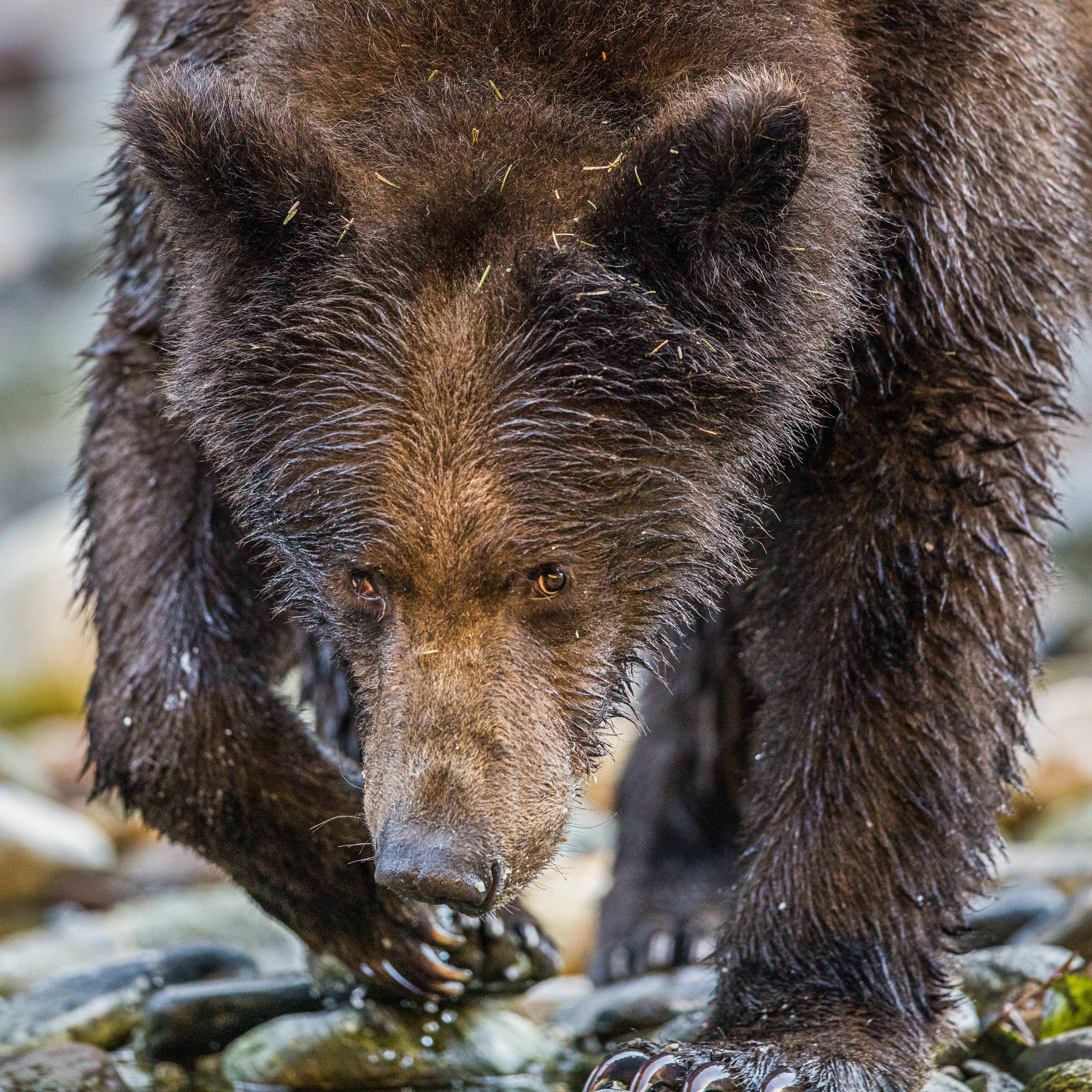
A massive Grizzly bear walks along the shore looking for dead salmon among the rocks. Great Bear Rainforest , British Columbia , Canada.
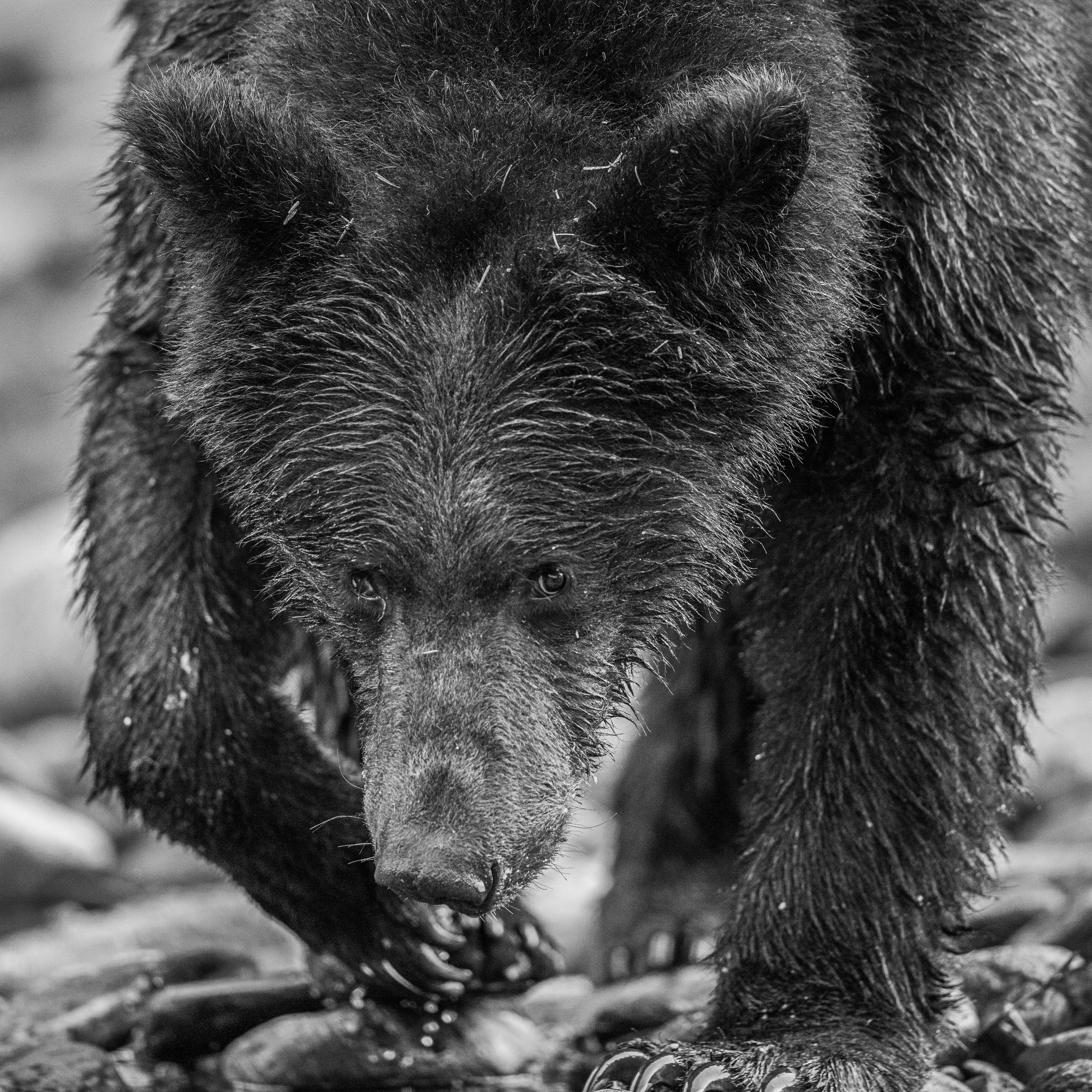
A massive Grizzly bear (black & white version) walks along the shore looking for dead salmon among the rocks. Great Bear Rainforest , British Columbia , Canada.
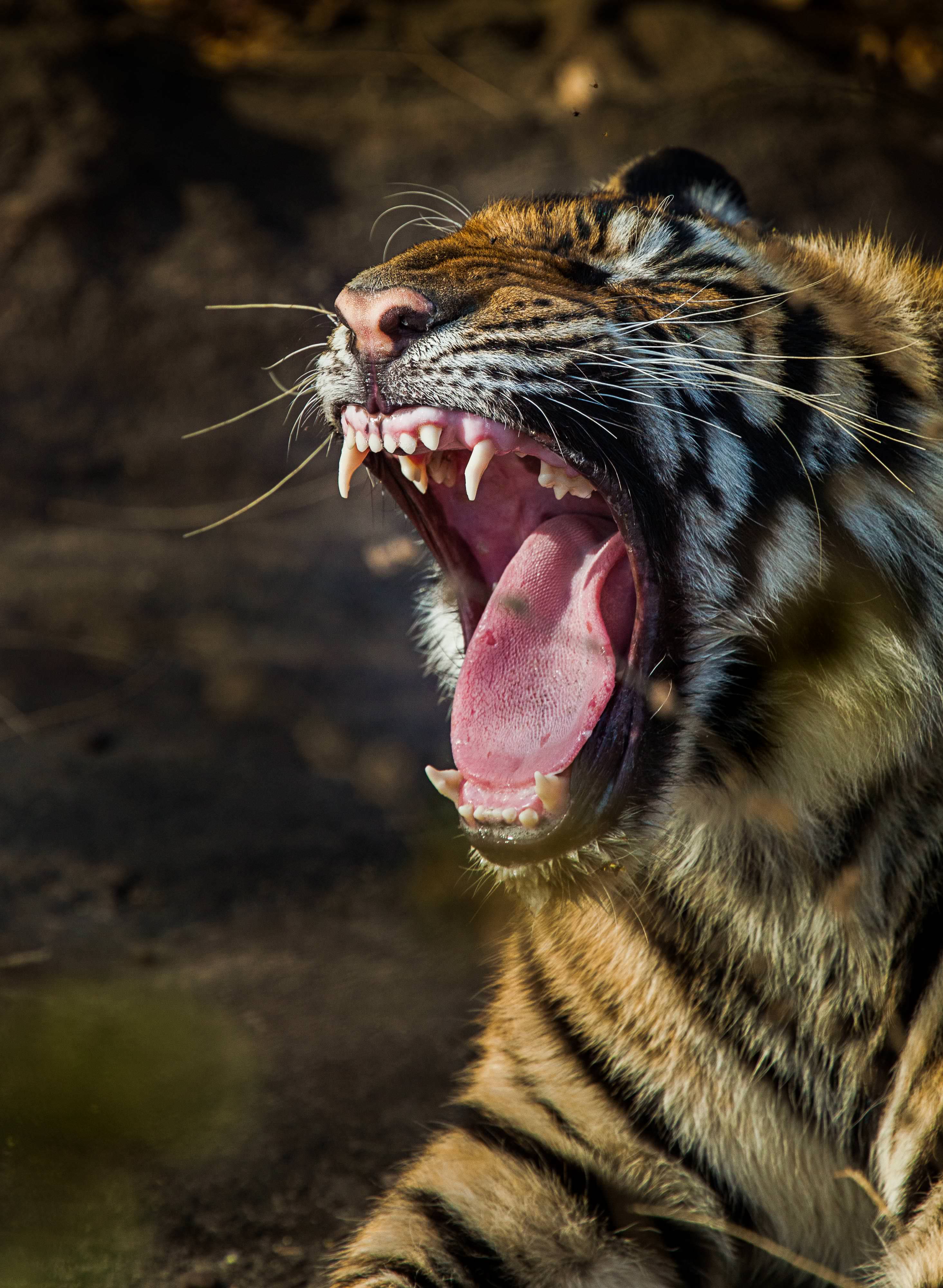
Bandhavgarh National Park Tiger Reserve, India
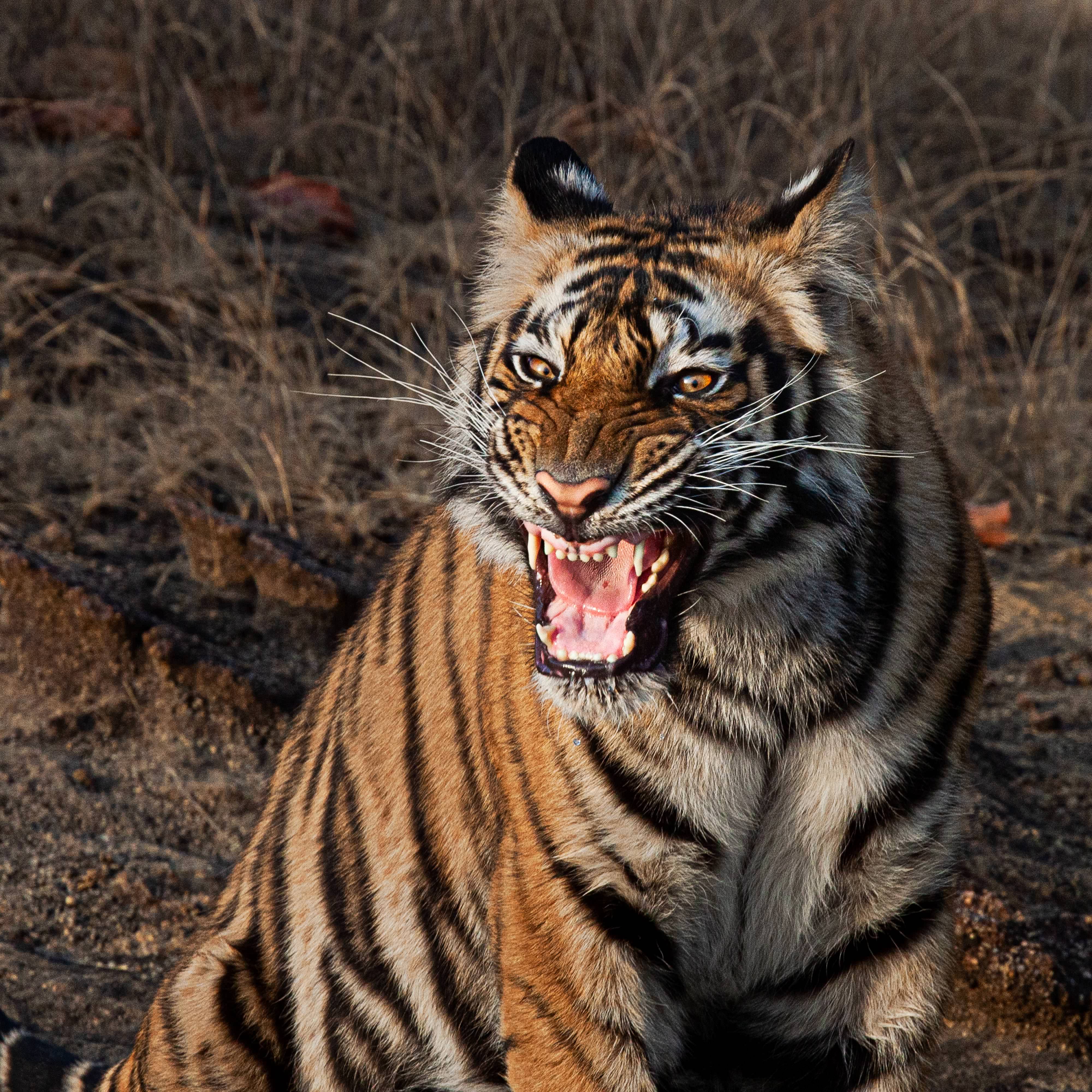
The perfect carnivore. This tiger’s expression gives us an opportunity to see its teeth which are made to grab its prey and kill it quickly. A strong adaptation to its environment and the need to catch fast moving deer.
Bandhavgarh National Park Tiger Reserve, India
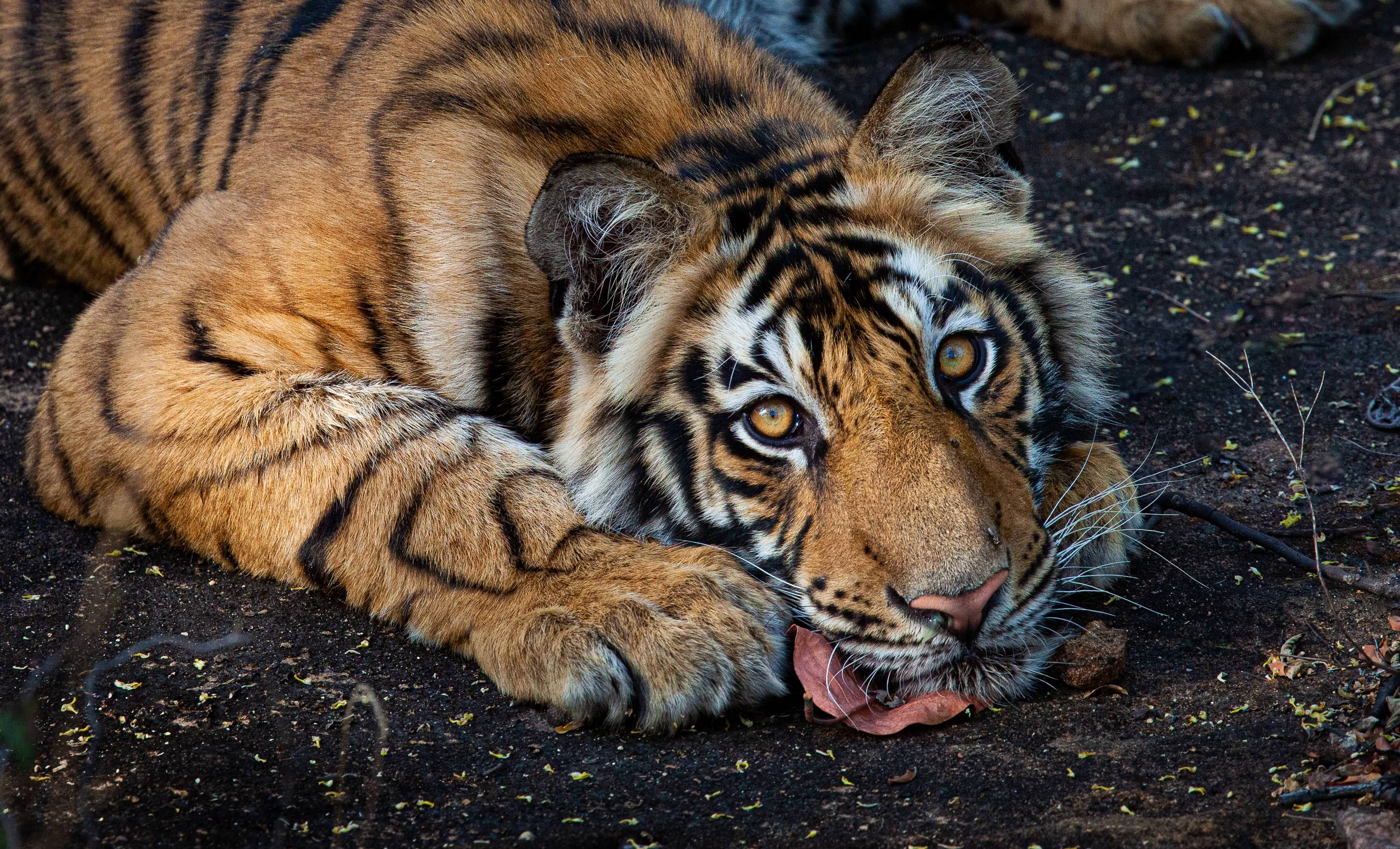
Family resemblance: doesn’t this adult Tiger’s expression look like a domestic cat that you might have in your home?
Bandhavgarh National Park Tiger Reserve, India
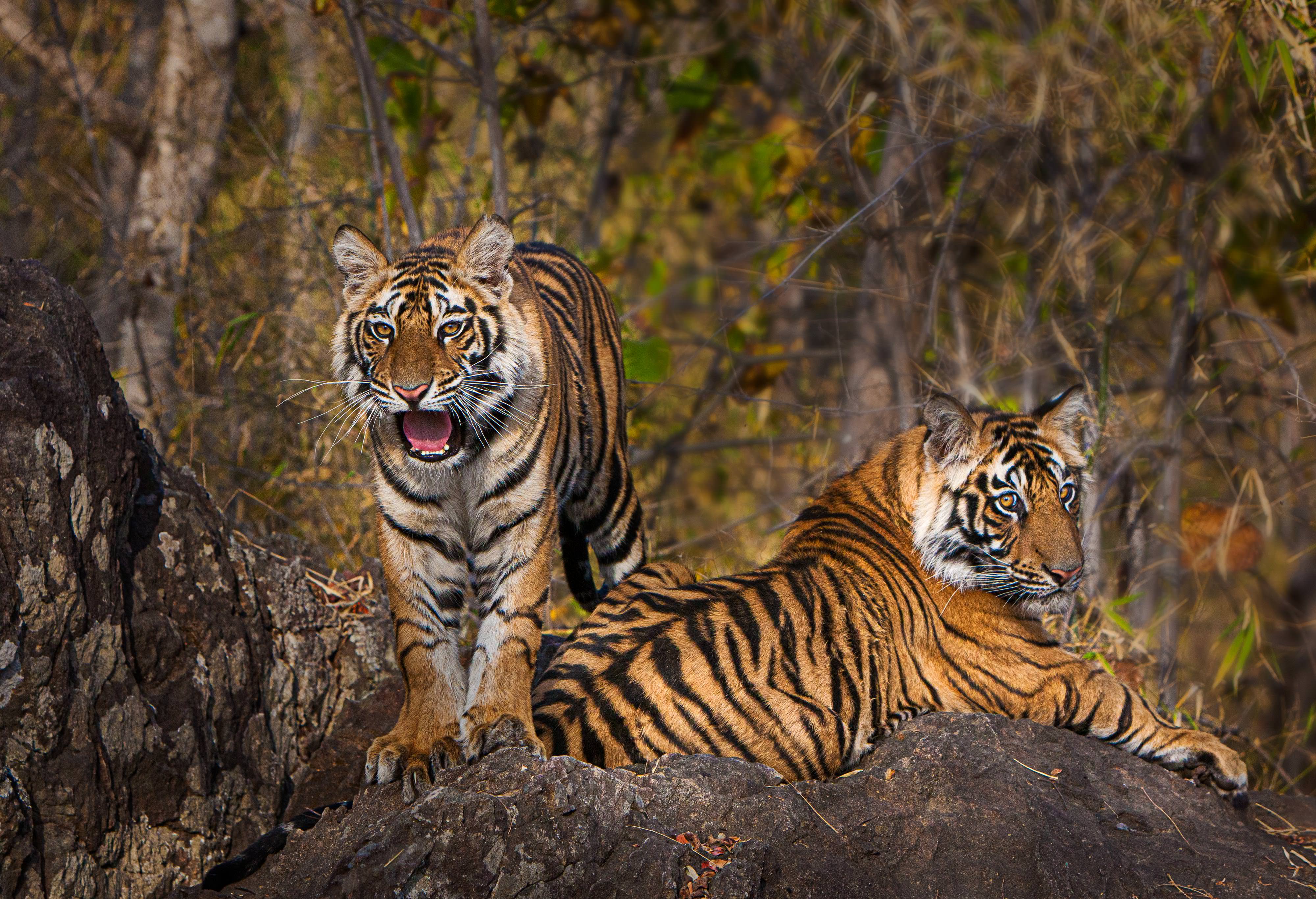
This is one of my all time favorite pictures at the Bandhavgarh National Park Tiger Reserve in India. Usually most tiger pictures are shot looking down at them from a vehicle or a hide in the trees. Here I was lucky that these two tigers took refuge on a high rock and I was able to take this picture from an elephant back at eye level with them.
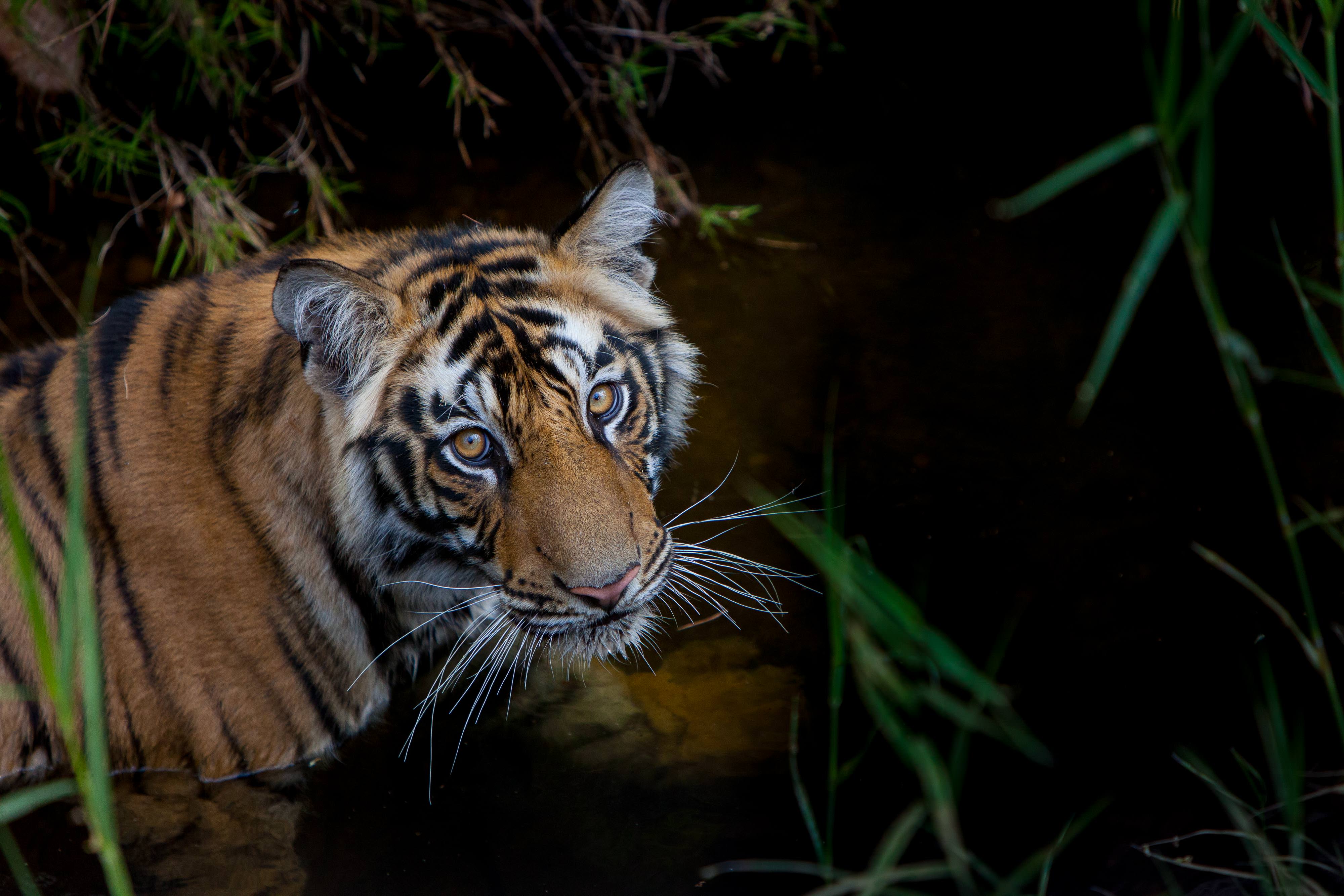
This tiger was cooling off from the 114 F / 45 C heat at the Bandhavgarh National Park Tiger Reserve in India. I love the contrast of its livery against the dark swamp water.
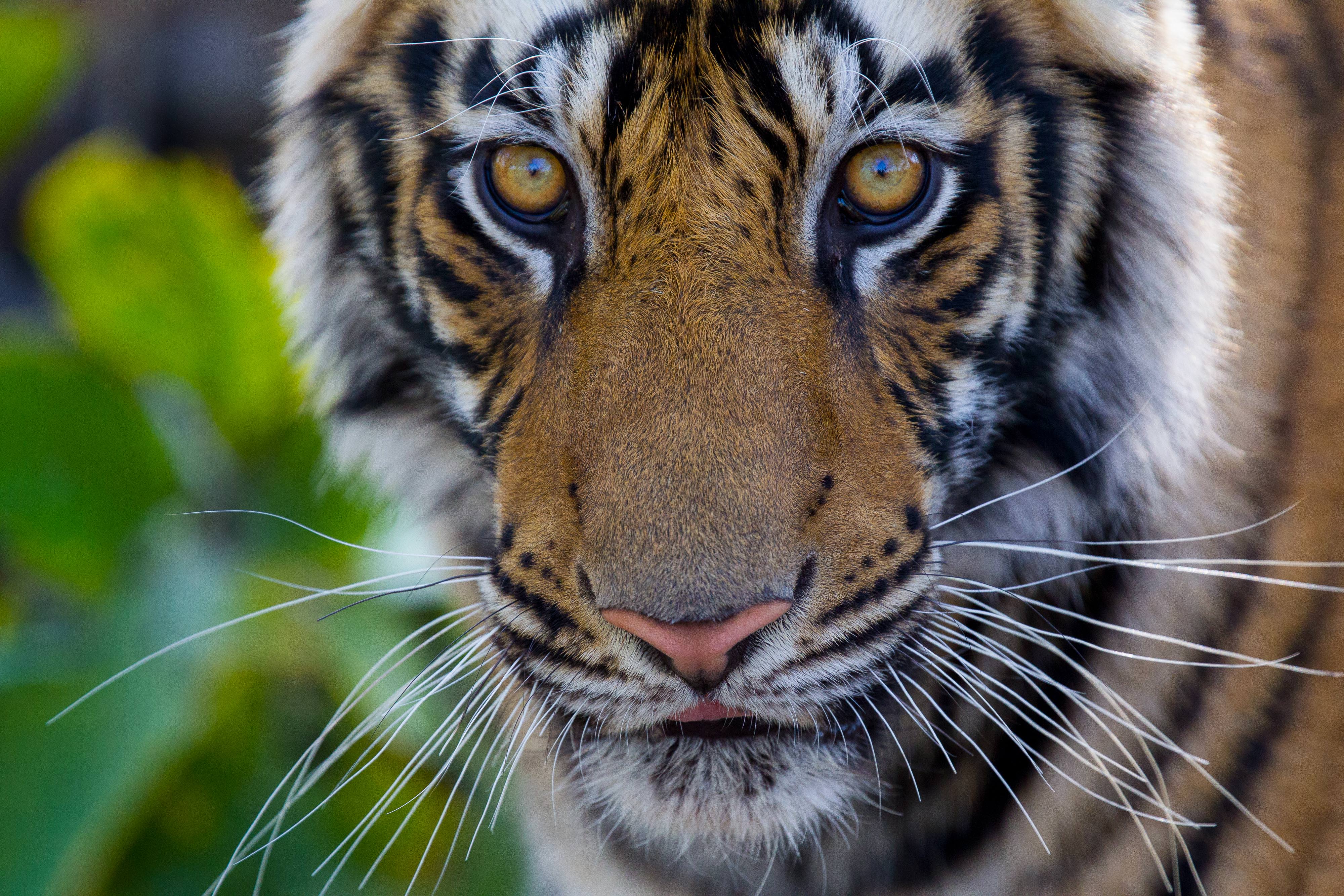
Bandhavgarh National Park Tiger Reserve, India
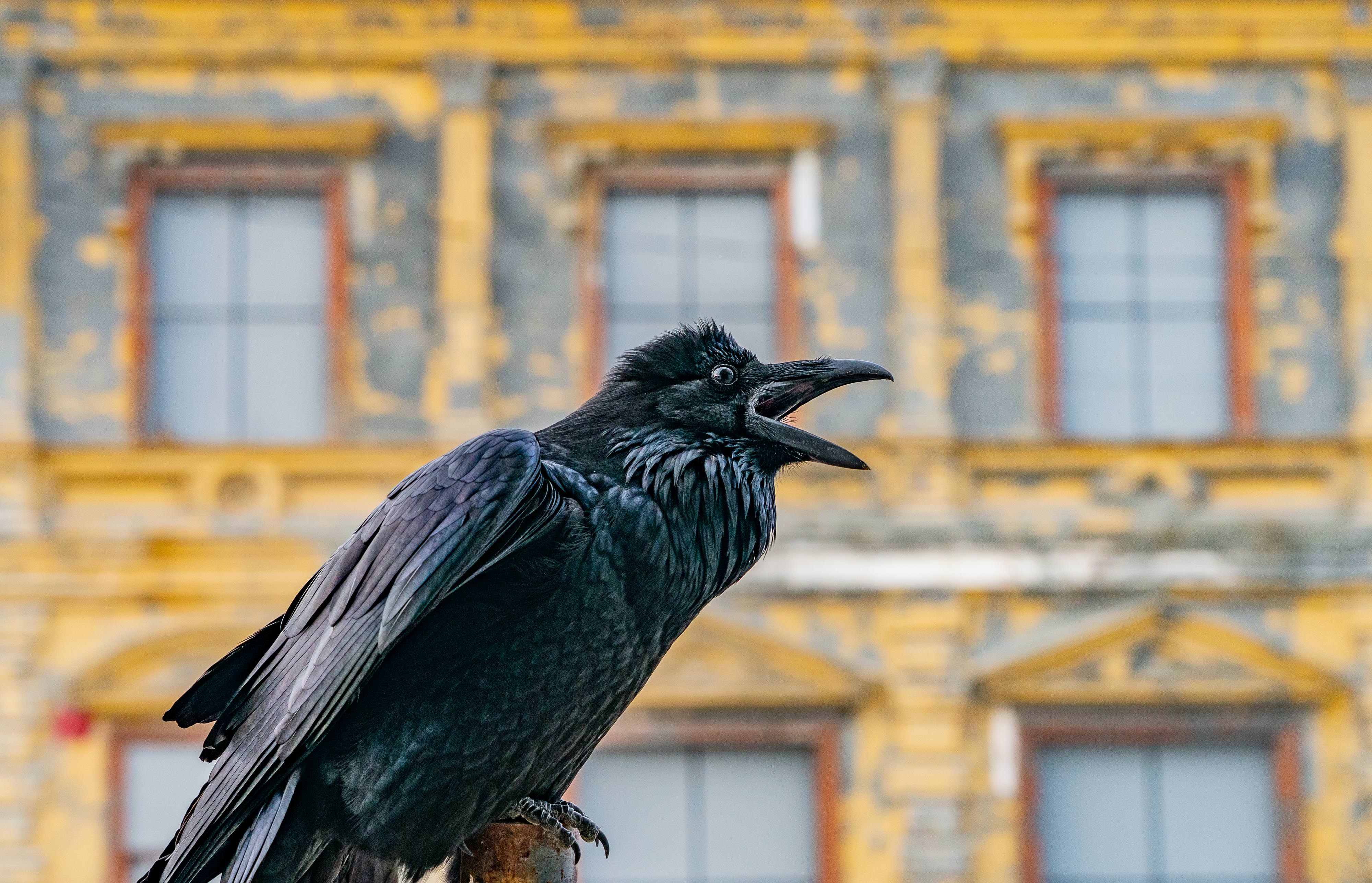
I was visiting Dawson City on my way to Northern Yukon. It is an old mining town with amazing western style buildings. I was looking for interesting angles to photograph the buildings when this bird landed on a street pole in front of me. I framed a dozen images before the bird flew away and so I have the building and an interesting foreground.
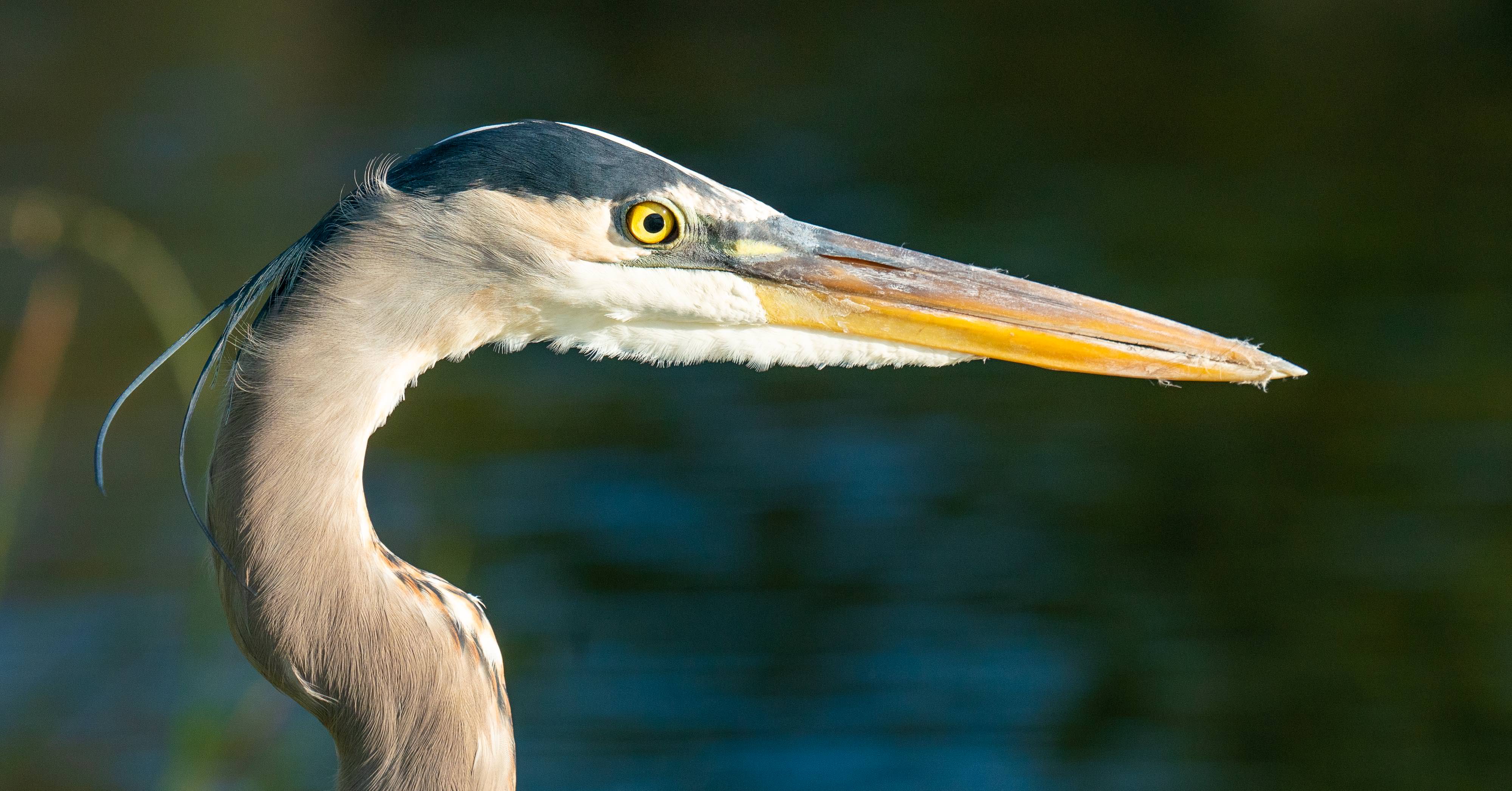
A close up portrait of a Heron. Perfectly still it was intensely focused on locating a fish in the shallow waters of Everglades National Park, near Miami. I was able to approach it slowly and get close enough for this head shot.
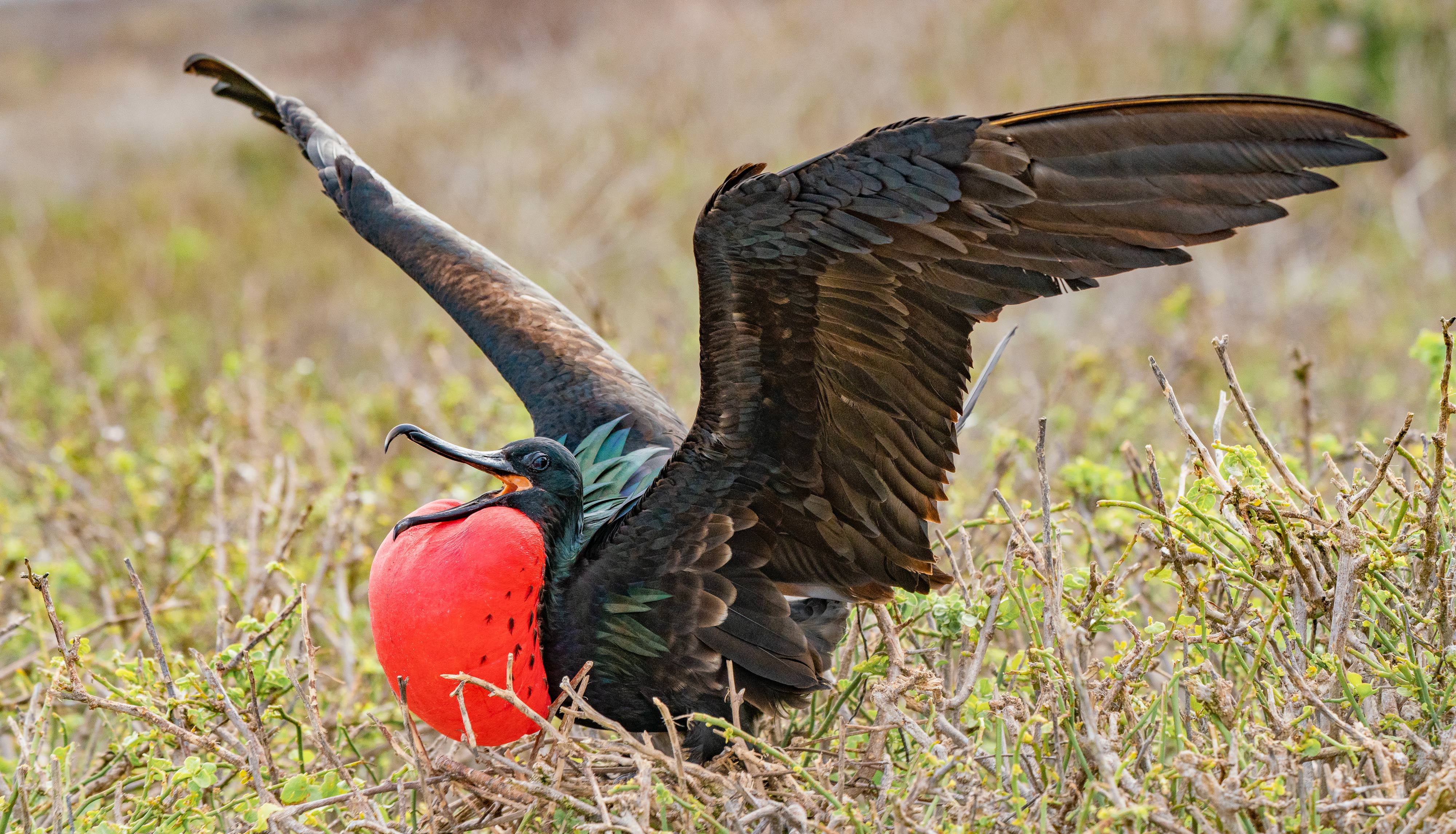
A male Frigate Bird displays its characteristic red throat during mating season. It is used to call attention from females and barely visible outside the breeding season. Photo taken in the Galapagos Islands.
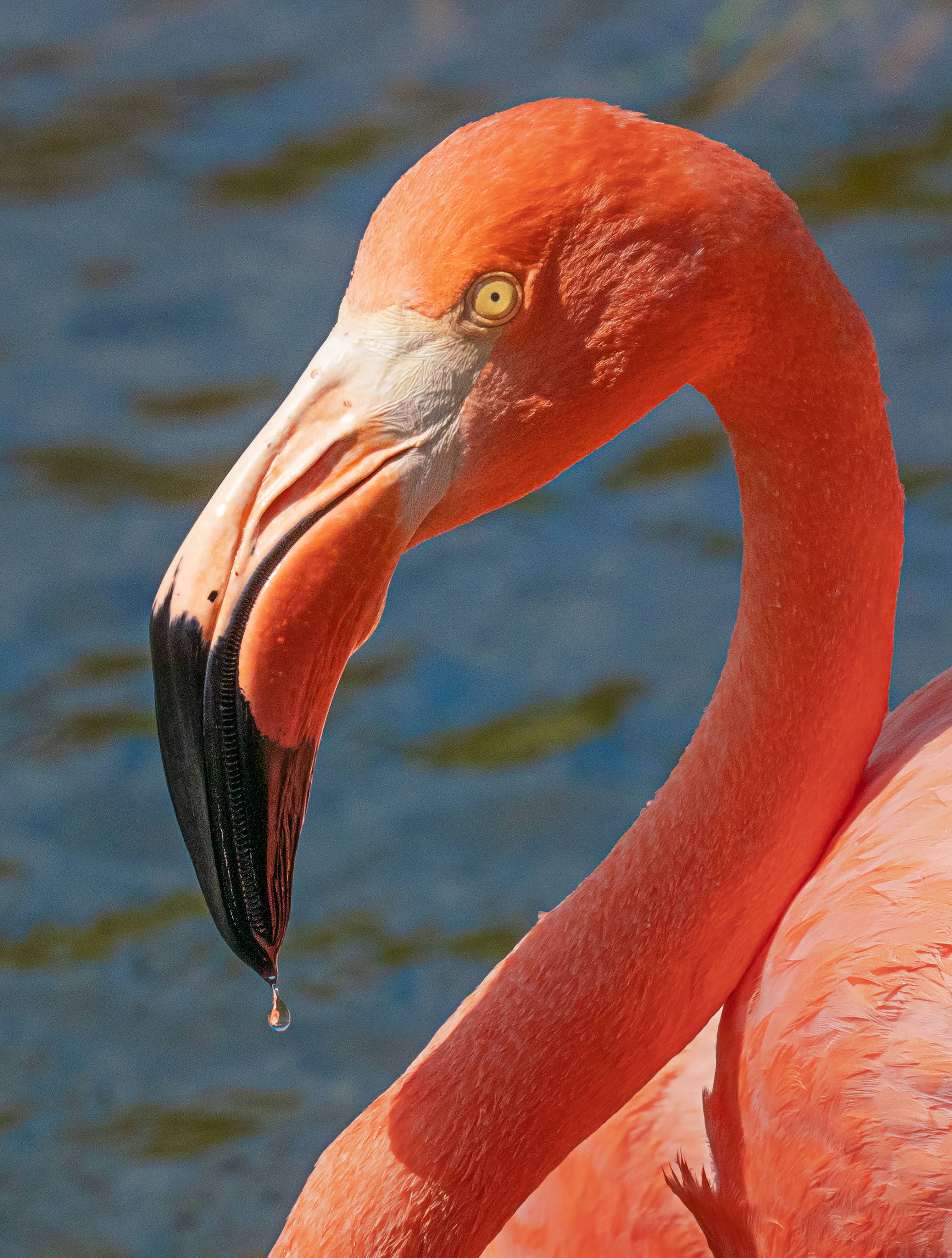
Flamingos are spectacular and photogenic. I like the drop falling off the tip of its beak, it just makes the bottom of the image interesting as your eyes follow the curvature of the flamingos neck. Photo taken in the Galapagos Islands.
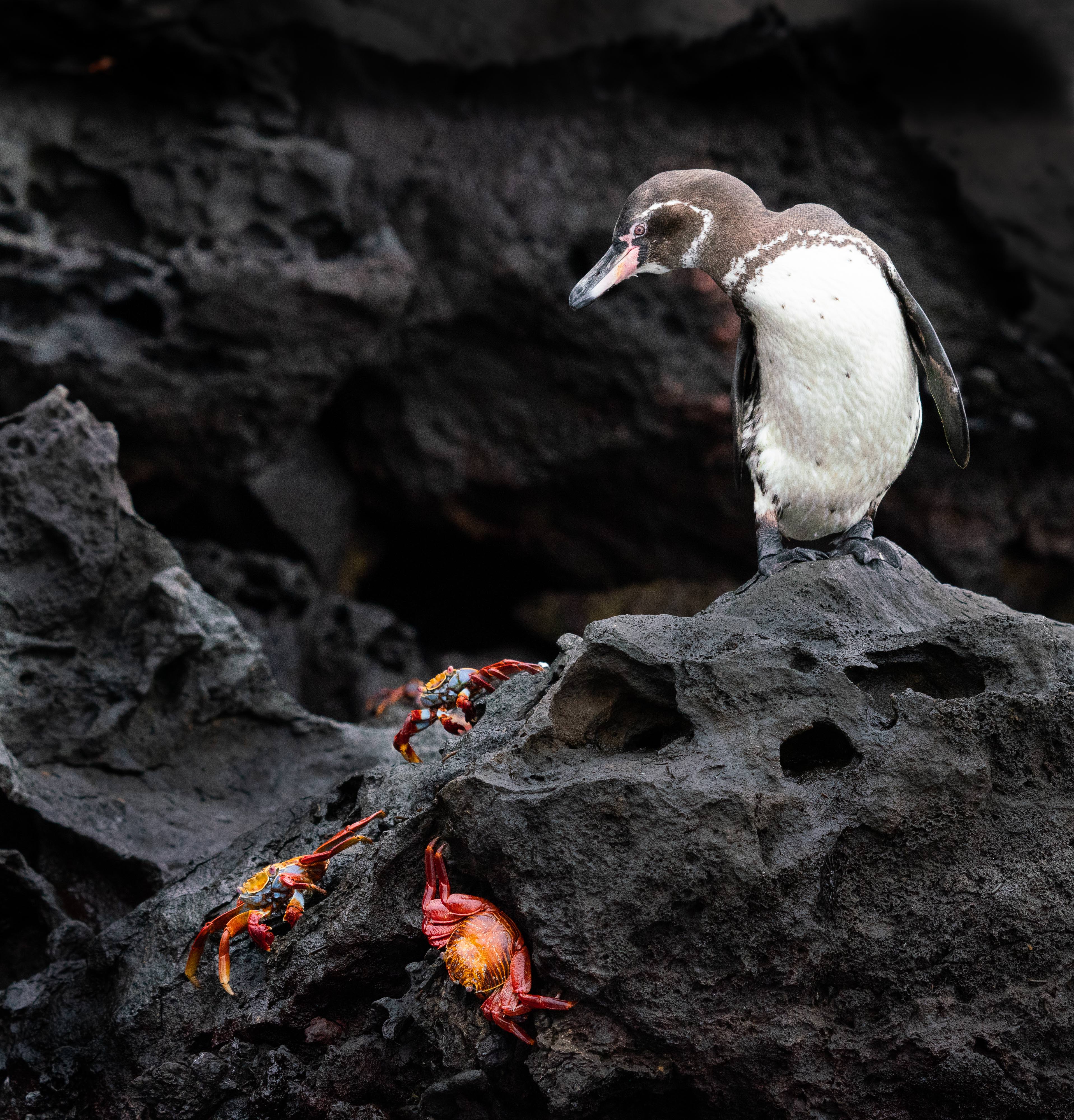
A cute Galápagos penguin observes three crabs moving close on its rock. Love its eye.
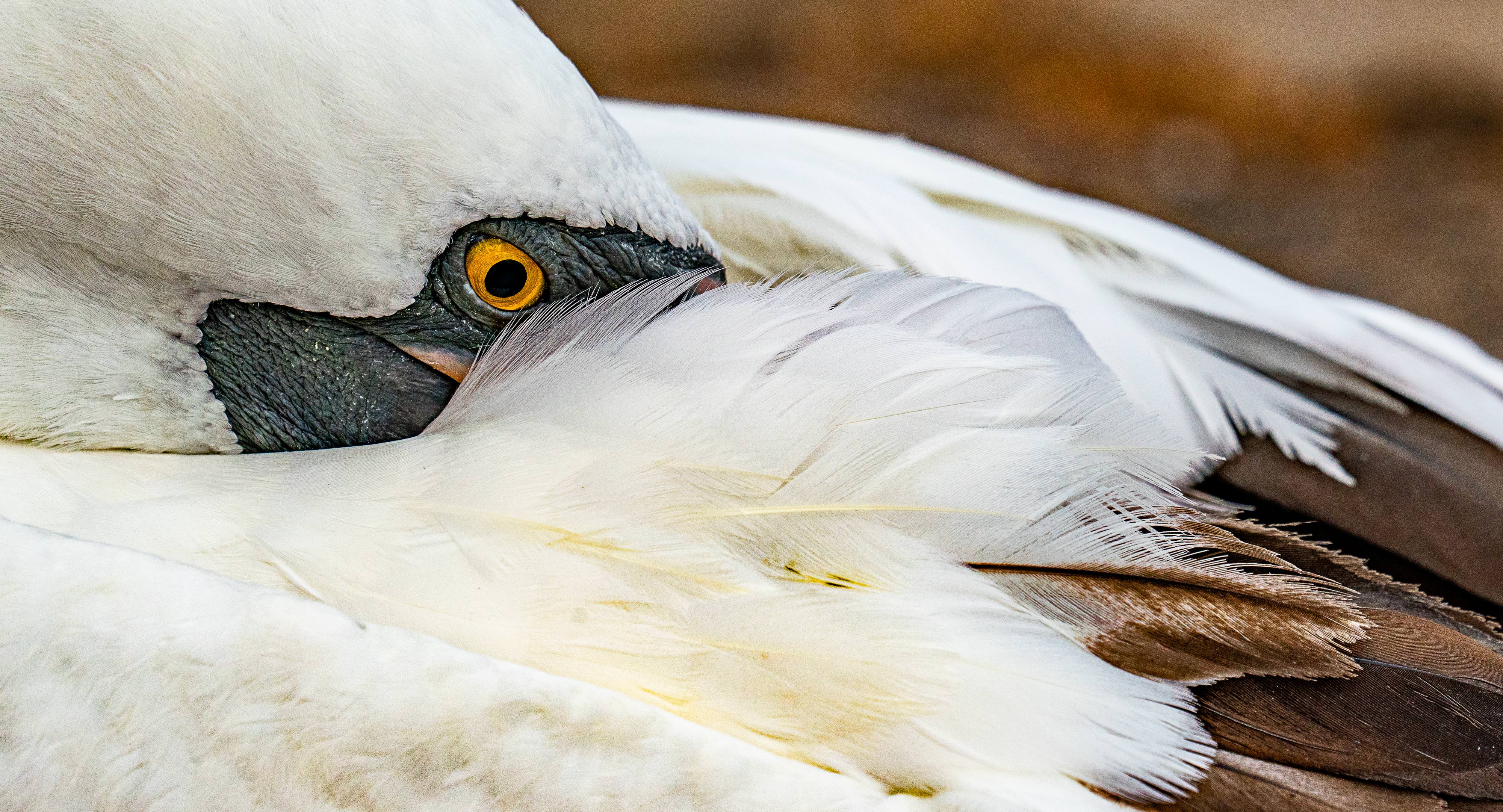
The beauty of the small details of this Nazca Booby taken in the Galapagos Islands. The skin around its eye, the color of the eye and the delicate pattern of its feathers. The more you observe animals the more fascinating they appear.
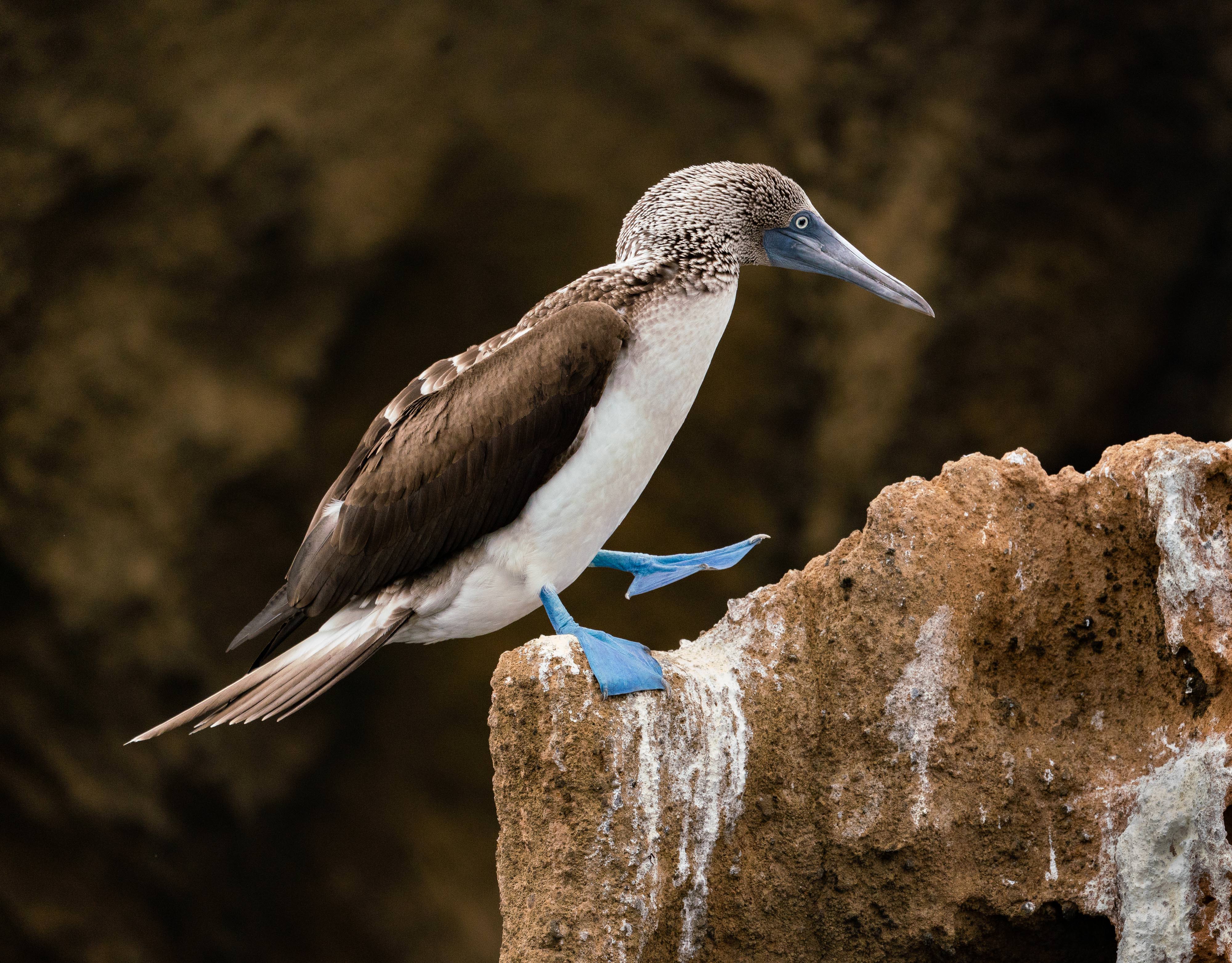
This blue footed booby seems to be defying gravity. You can very well see the bright blue feet that give the bird its name. A gorgeous sight in the Galapagos Islands.
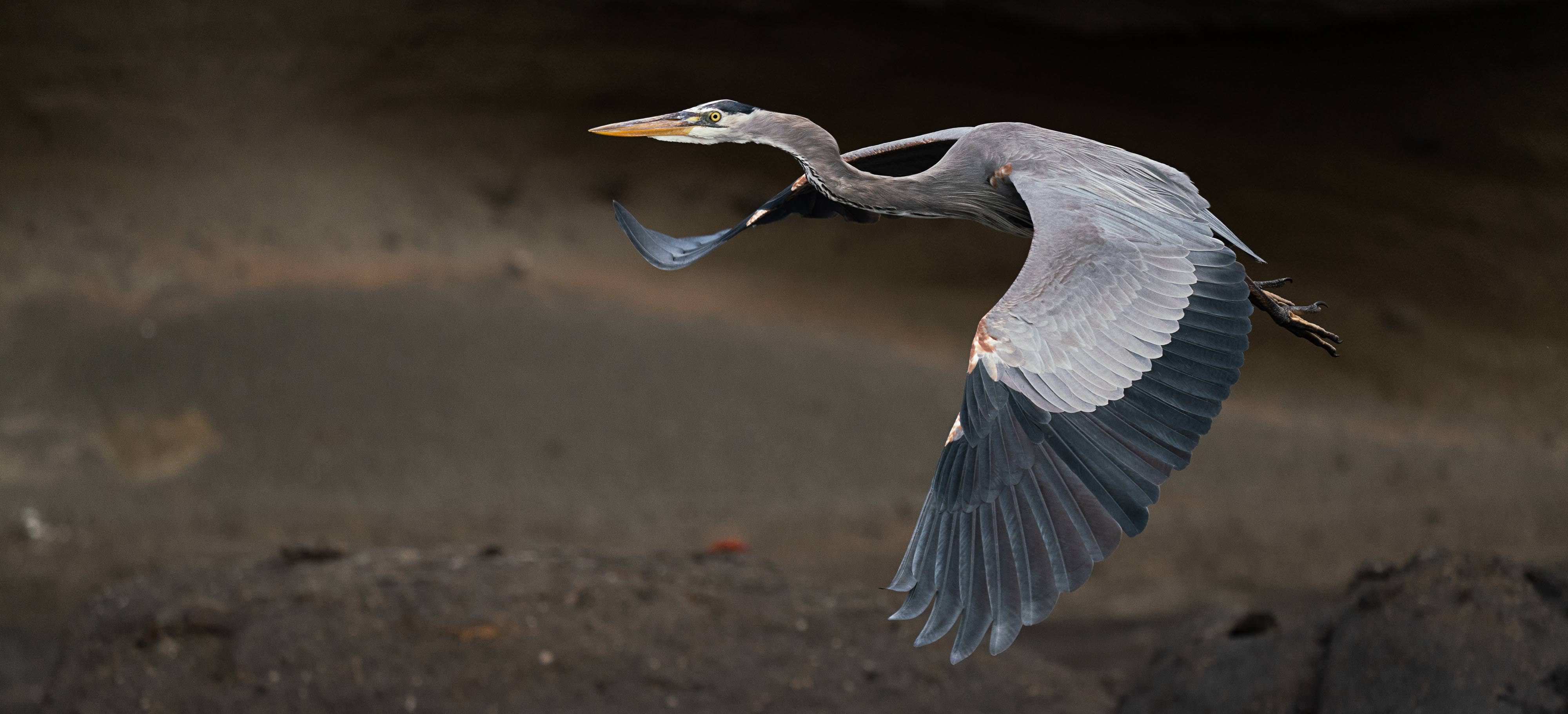
Grace in Flight — Galápagos Islands, Ecuador
A great blue heron glides low over the volcanic shores of the Galápagos, its long neck extended and broad wings revealing the delicate architecture of its feathers. Against the dark volcanic landscape, the bird's elegant form and effortless flight capture a moment of extraordinary grace and precision.
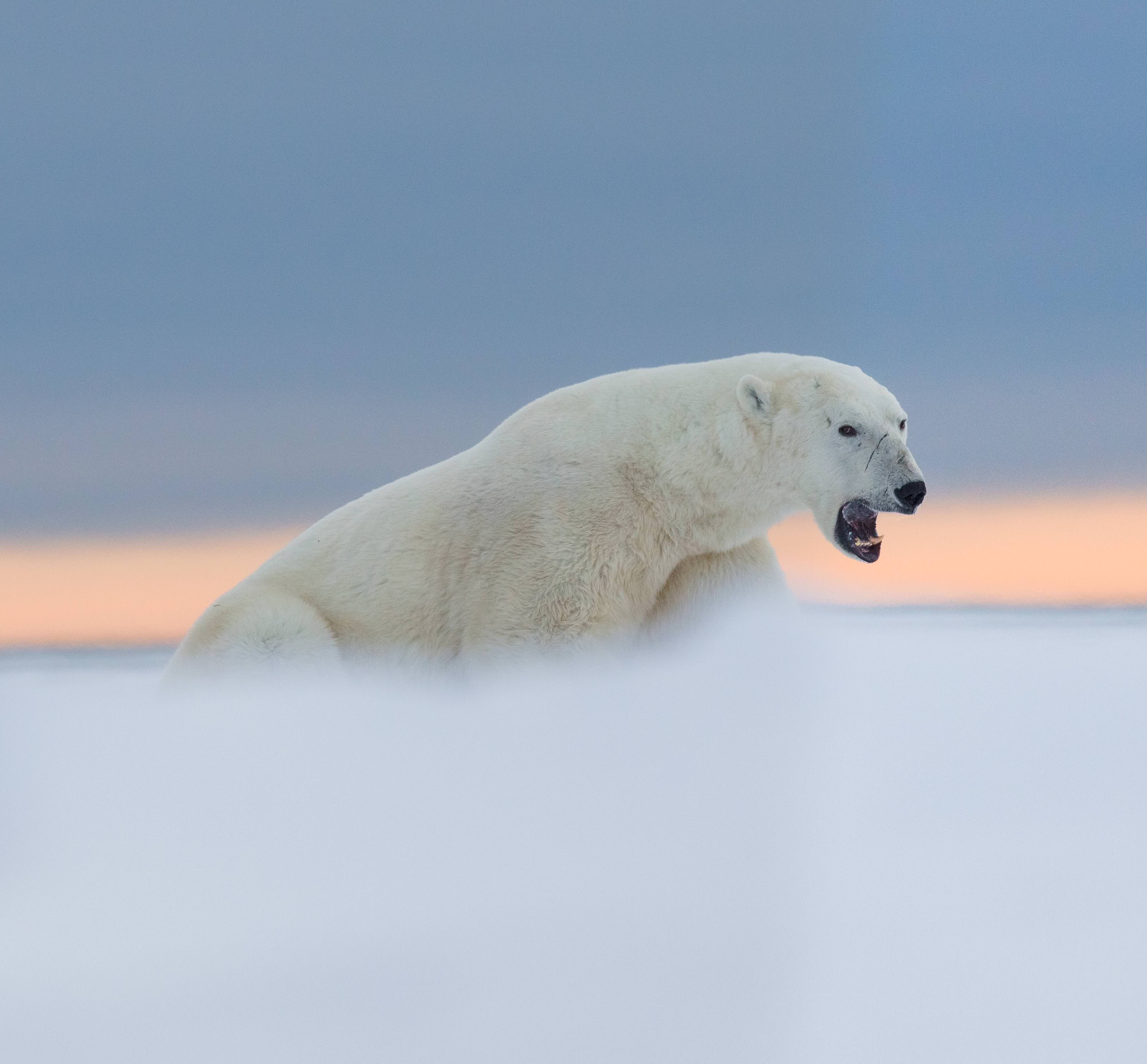
A polar bear appears majestic as I am lying low on the ice in Nunavut, Canada.
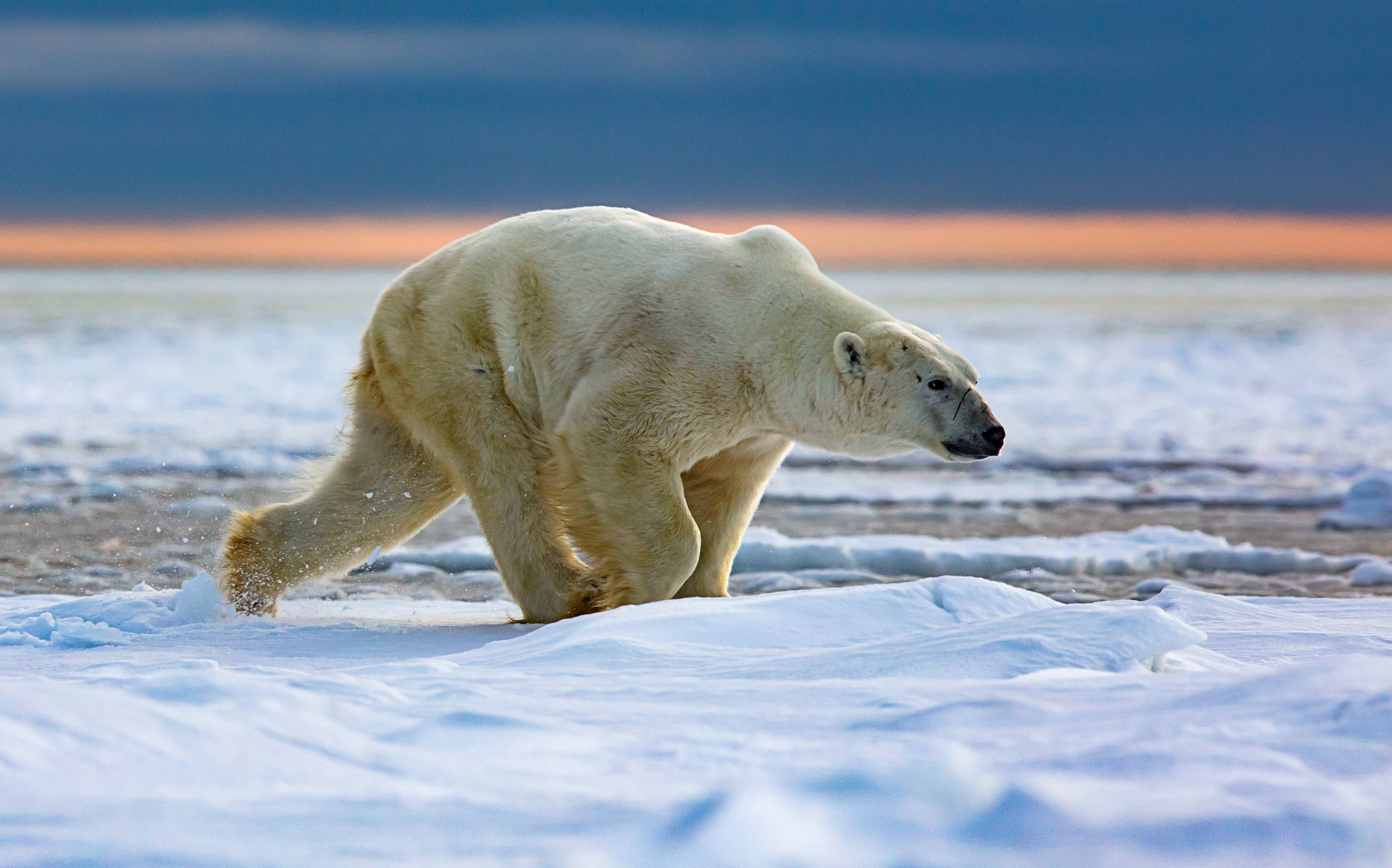
Polar bears are fast runners teaching speeds of 20mph, as fast as Usain Bolt!
Hudson Bay. Manitoba, Canada
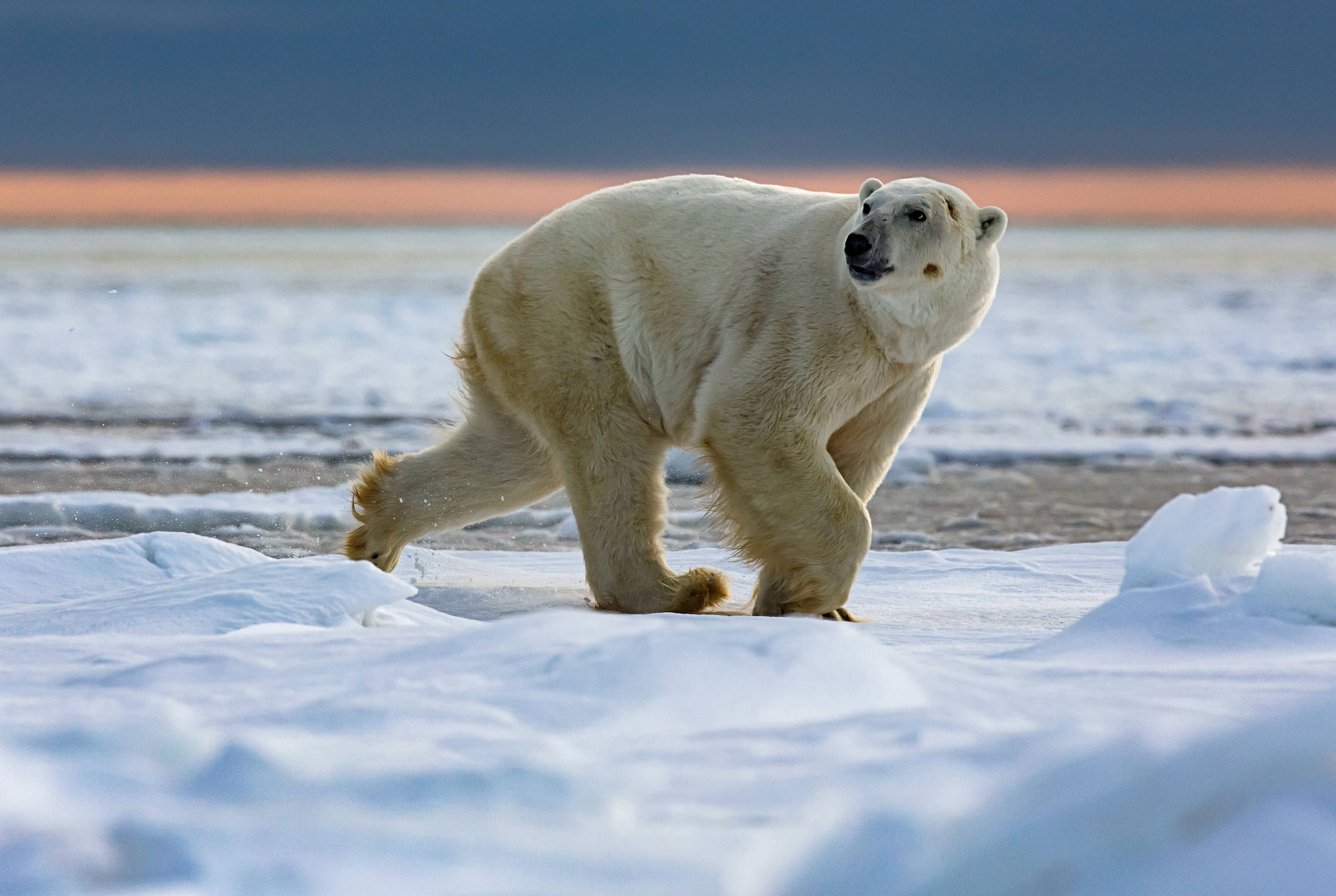
Hudson Bay. Manitoba, Canada
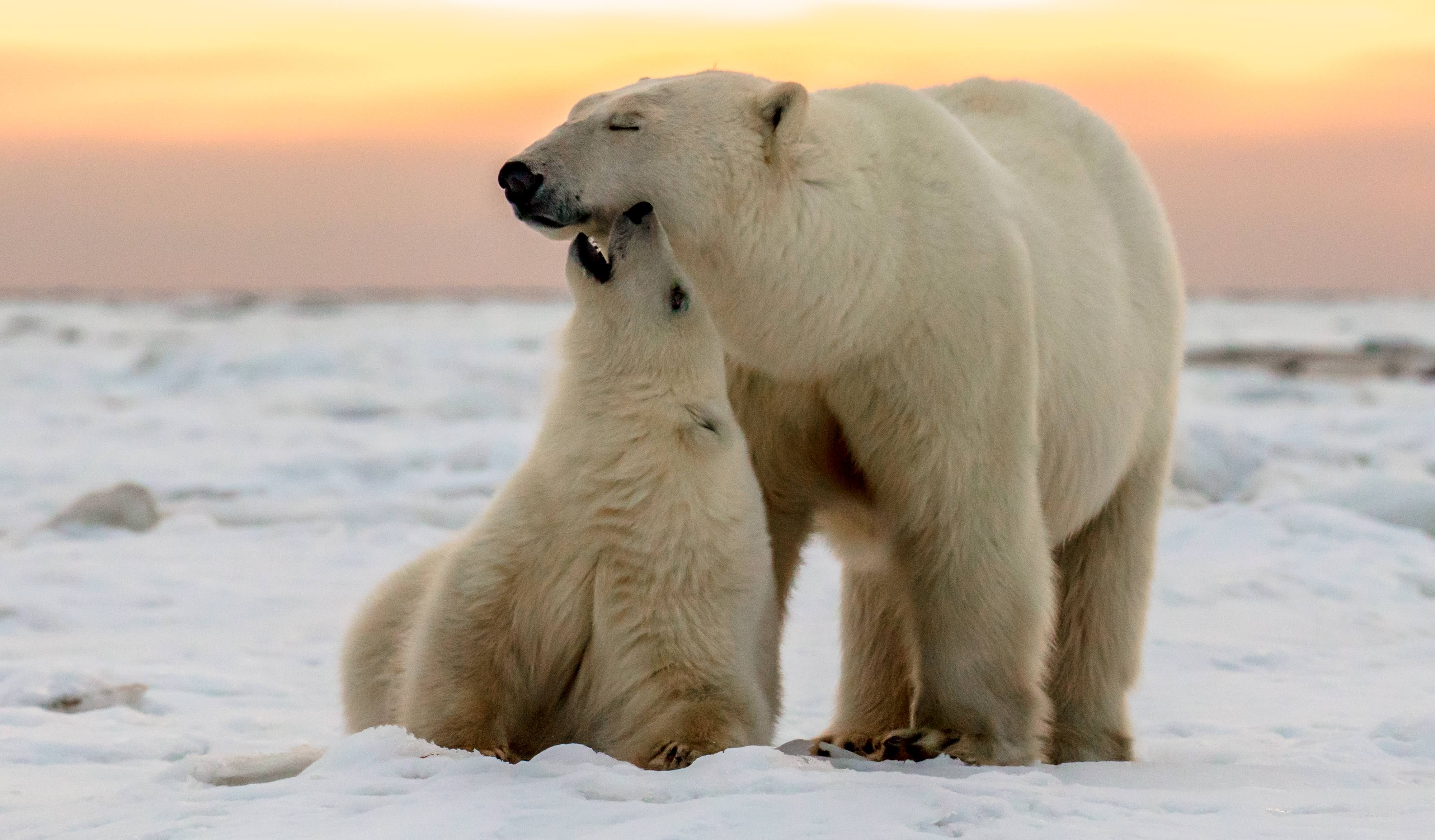
A Polar bear mother and her cub in a tender moment in the Canadian Arctic. Cubs remain with their mothers for about two and a half years, depending on where in the Arctic they live. During that time, they learn how to hunt and survive in the challenging environment of the Arctic.
Hudson Bay. Manitoba, Canada
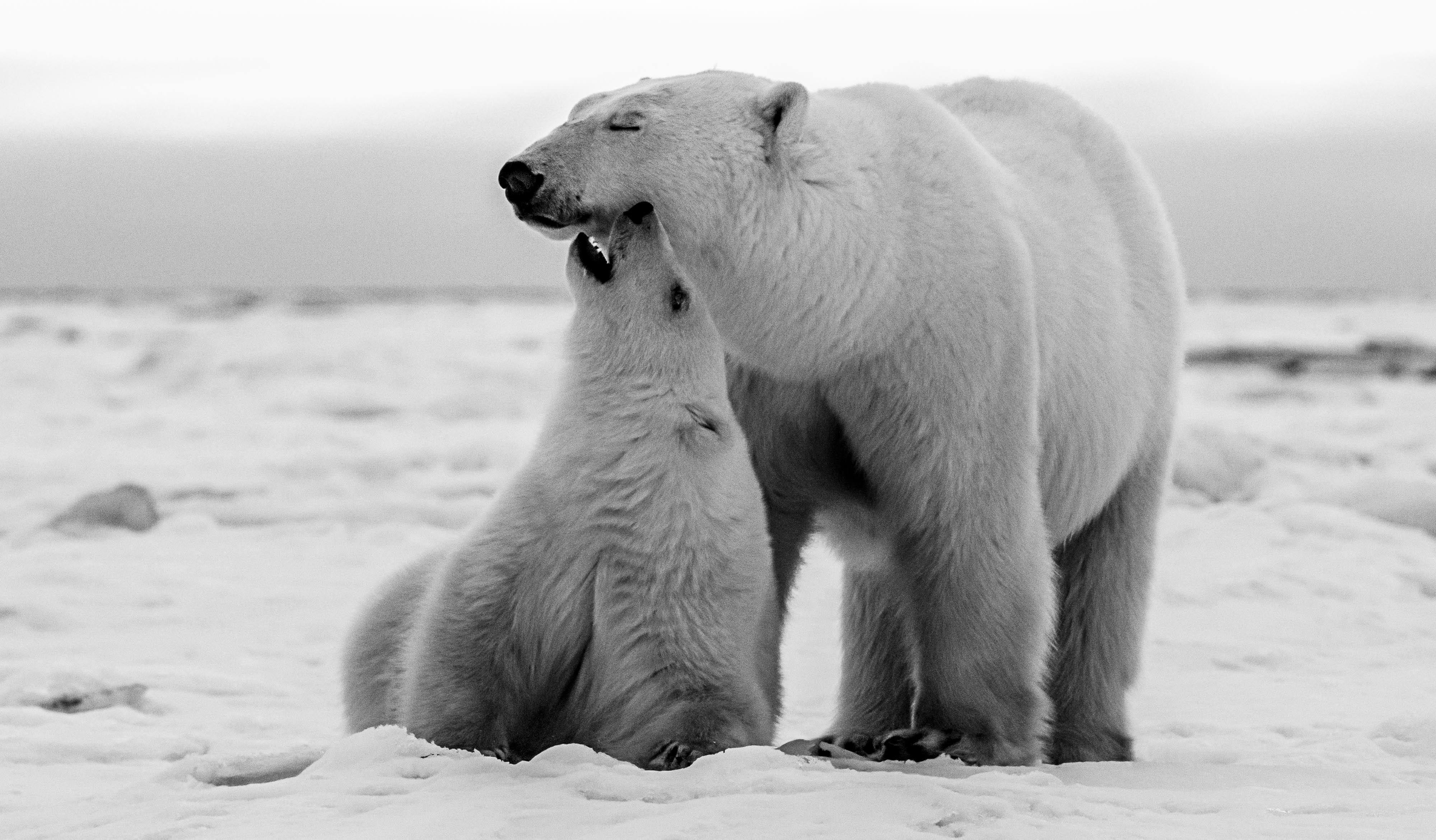
A Polar bear mother and her cub in a tender moment in the Canadian Arctic. Cubs remain with their mothers for about two and a half years, depending on where in the Arctic they live. During that time, they learn how to hunt and survive in the challenging environment of the Arctic.
Hudson Bay. Manitoba, Canada
Hudson Bay. Manitoba, Canada
Hudson Bay. Manitoba, Canada
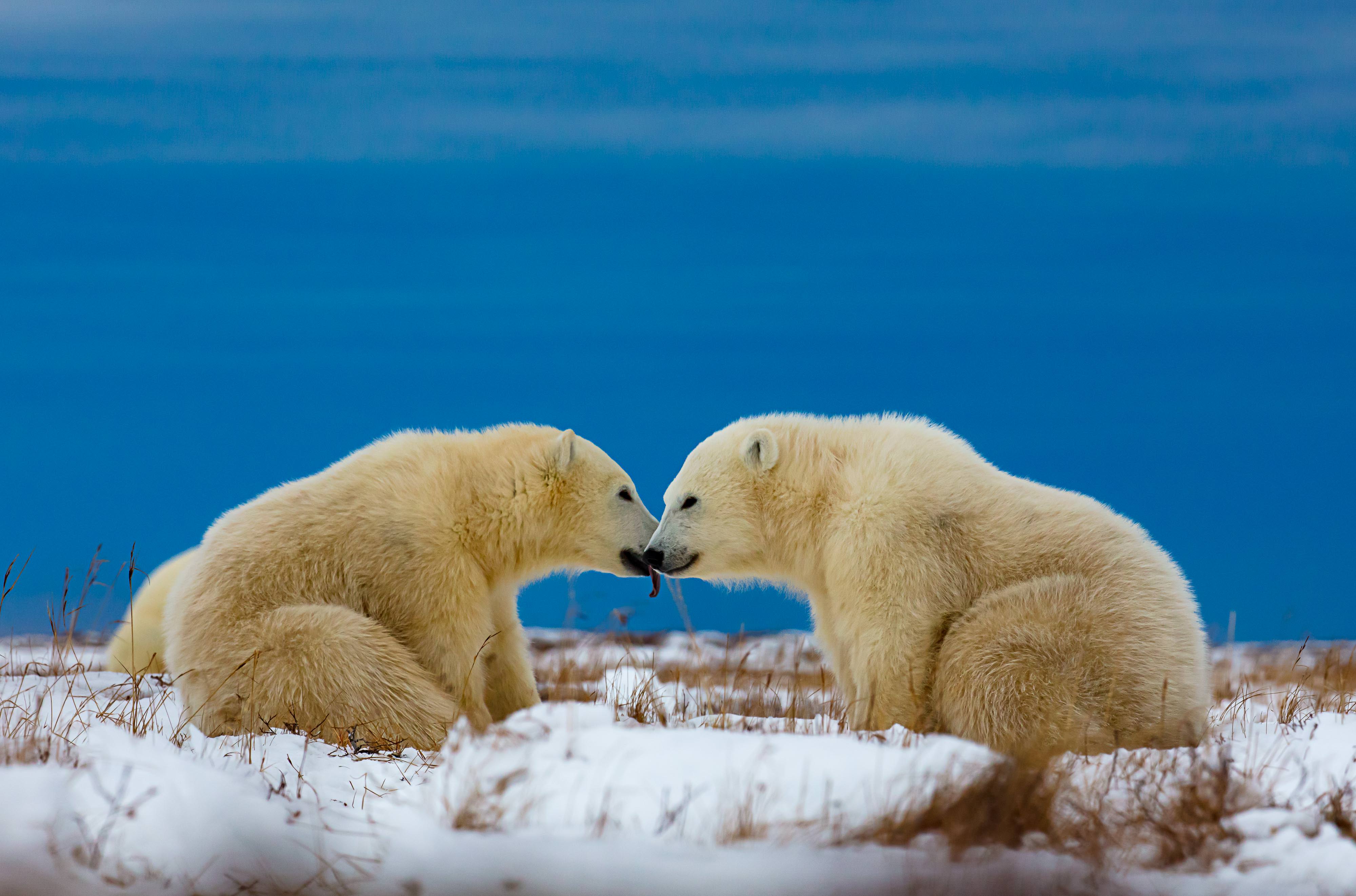
Hudson Bay. Manitoba, Canada
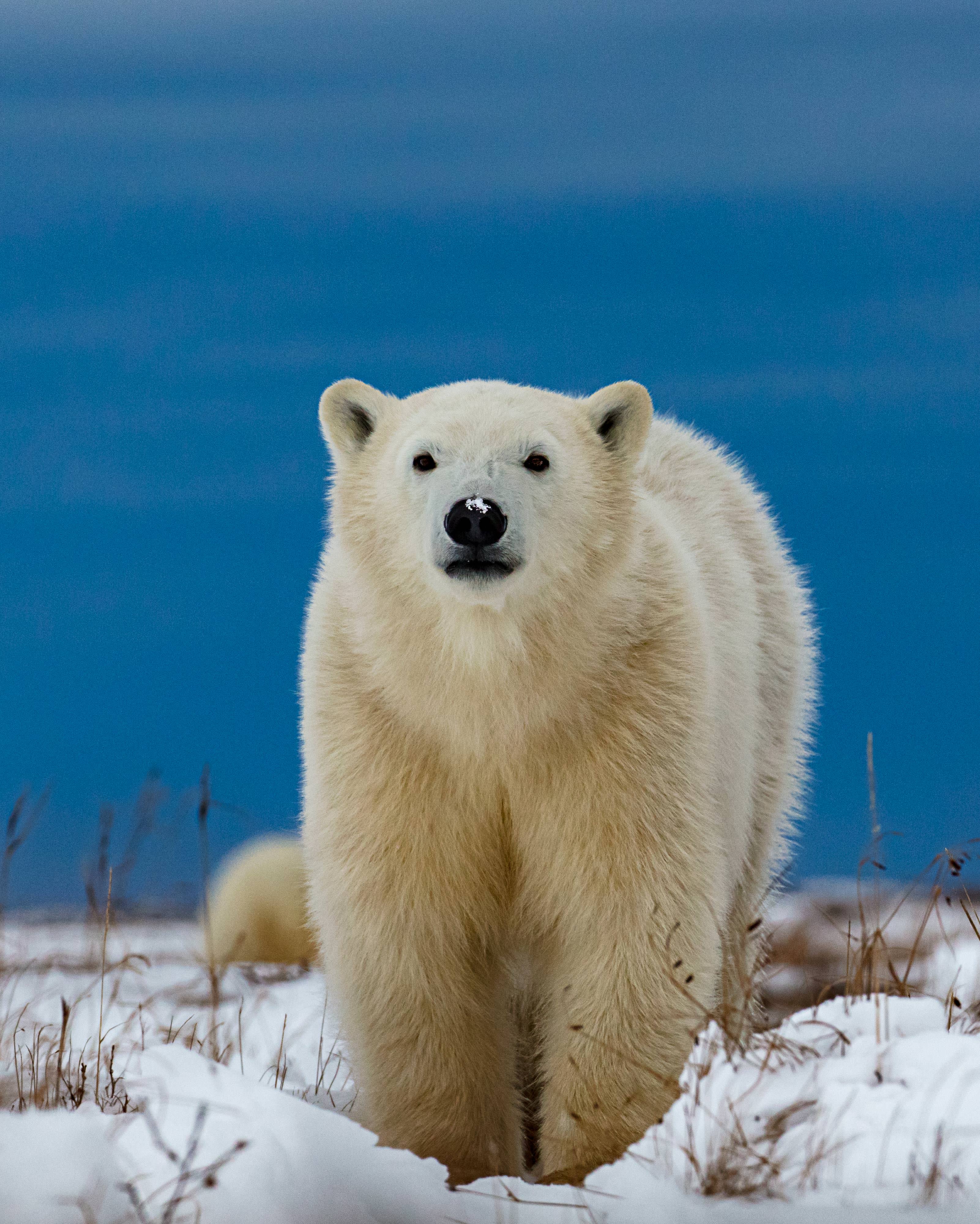
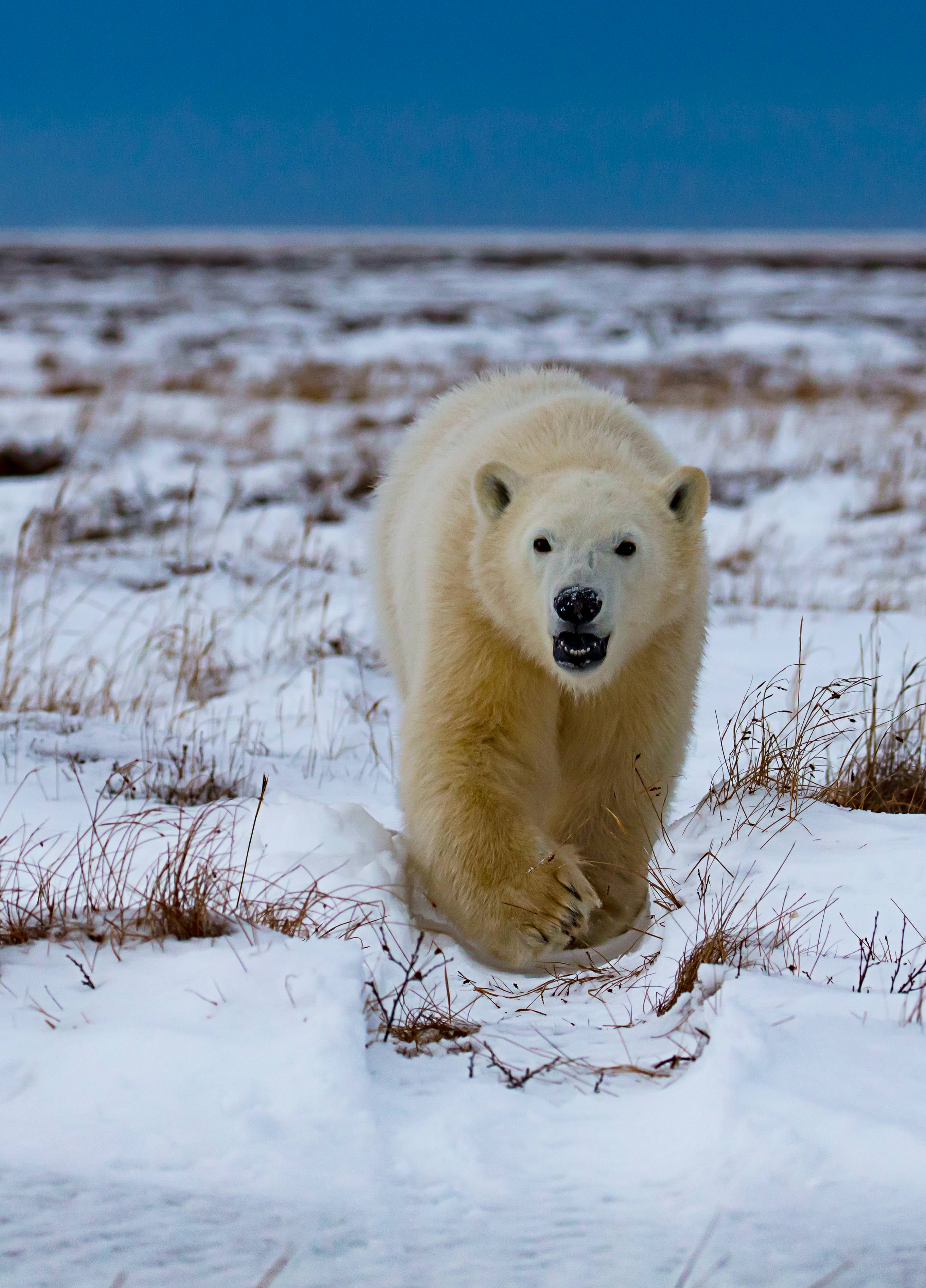
A big polar bear cub came really close to me in the Canadian Arctic at Hudson Bay. I like the snow on its nose.
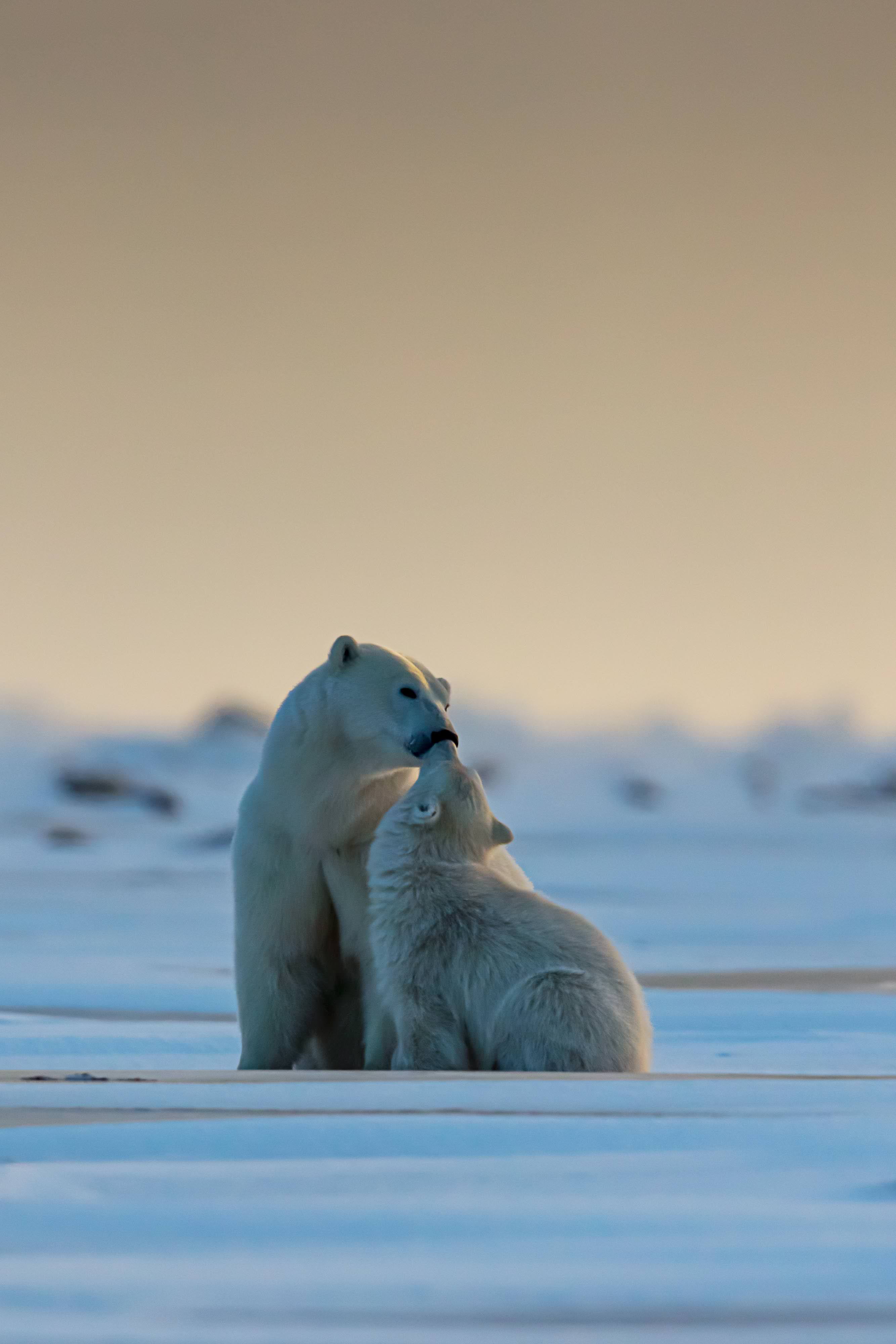
Hudson Bay. Manitoba, Canada
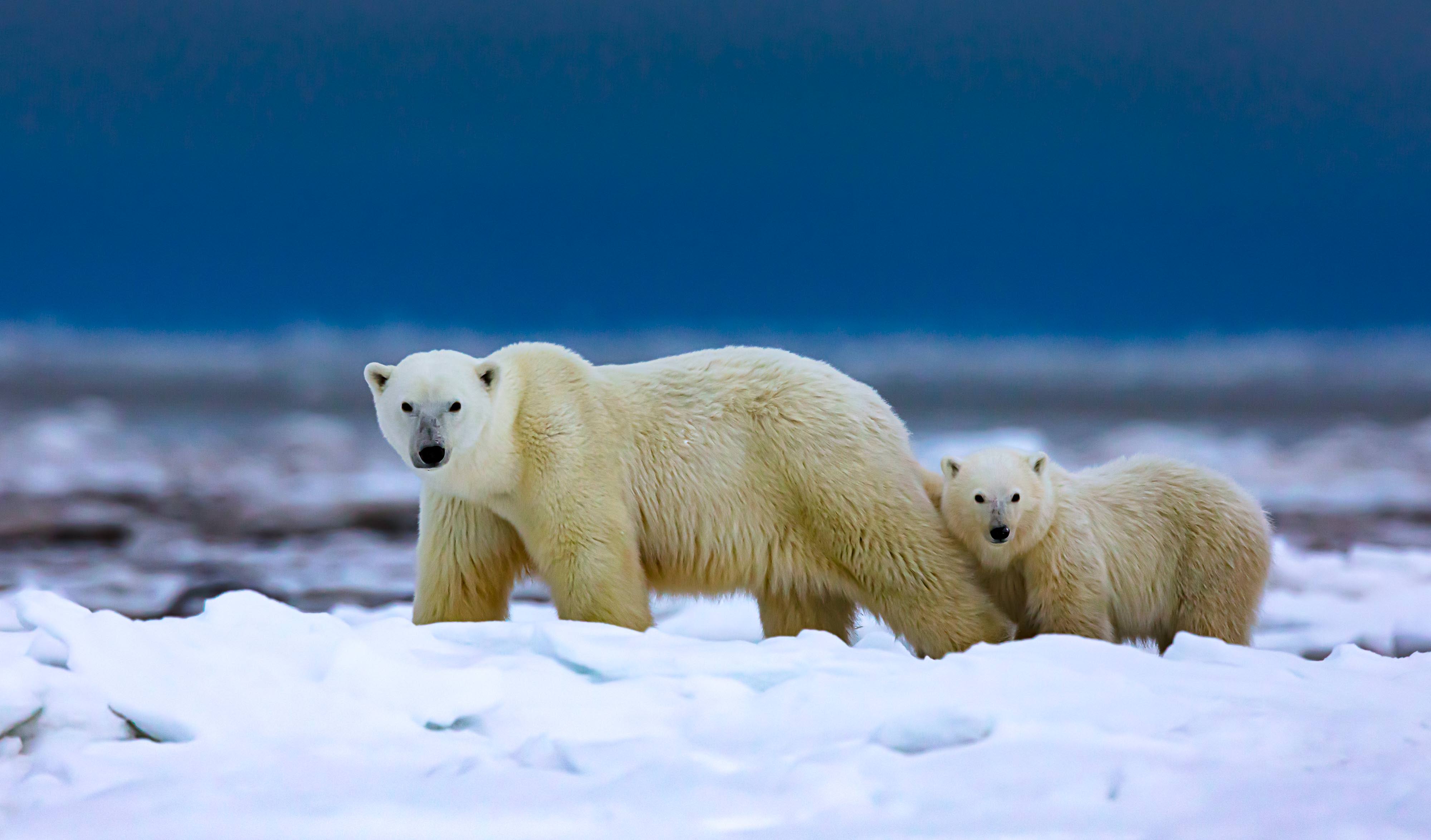
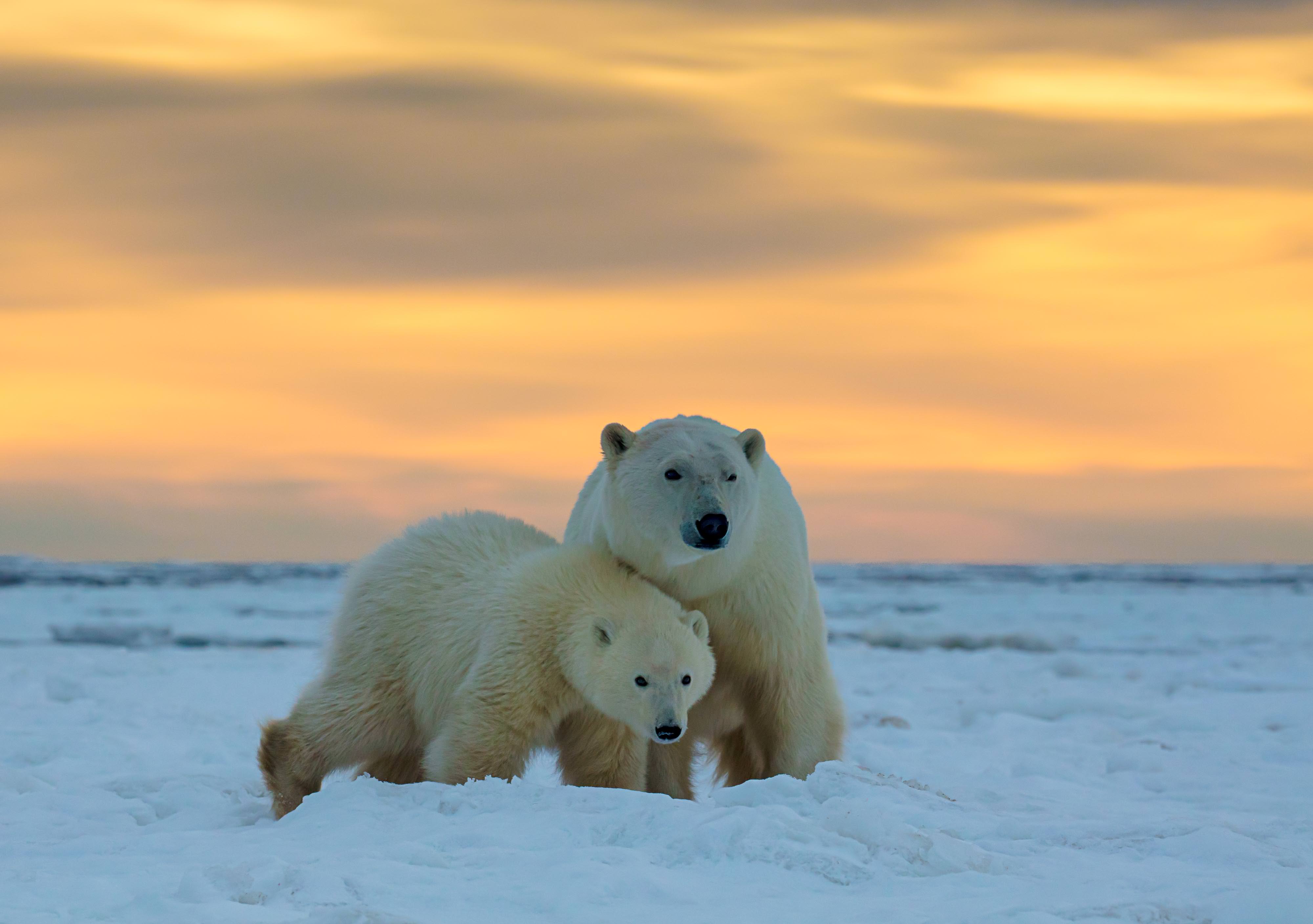
A mother Polar Bear and her cub in a late afternoon Arctic landscape. In the background ice is starting to form on Hudson Bay. When the surface will have frozen the bears will go on the ice and hunt seals.⠀
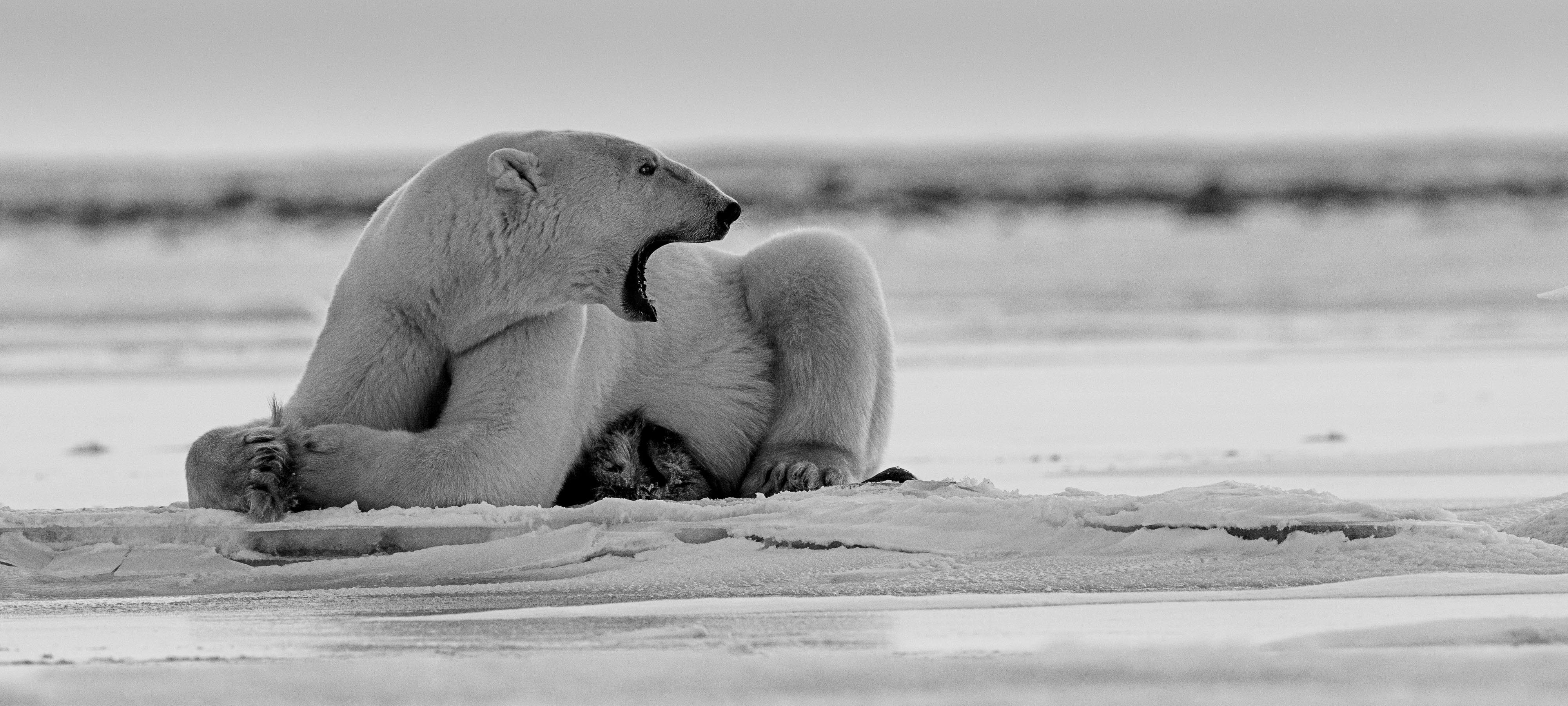
The Arctic is characterized by the white color of the snow. I wanted to express this image of polar bear in black & white to emphasize the contrast of the bear's dark eye, nose and mouth against its light fur.
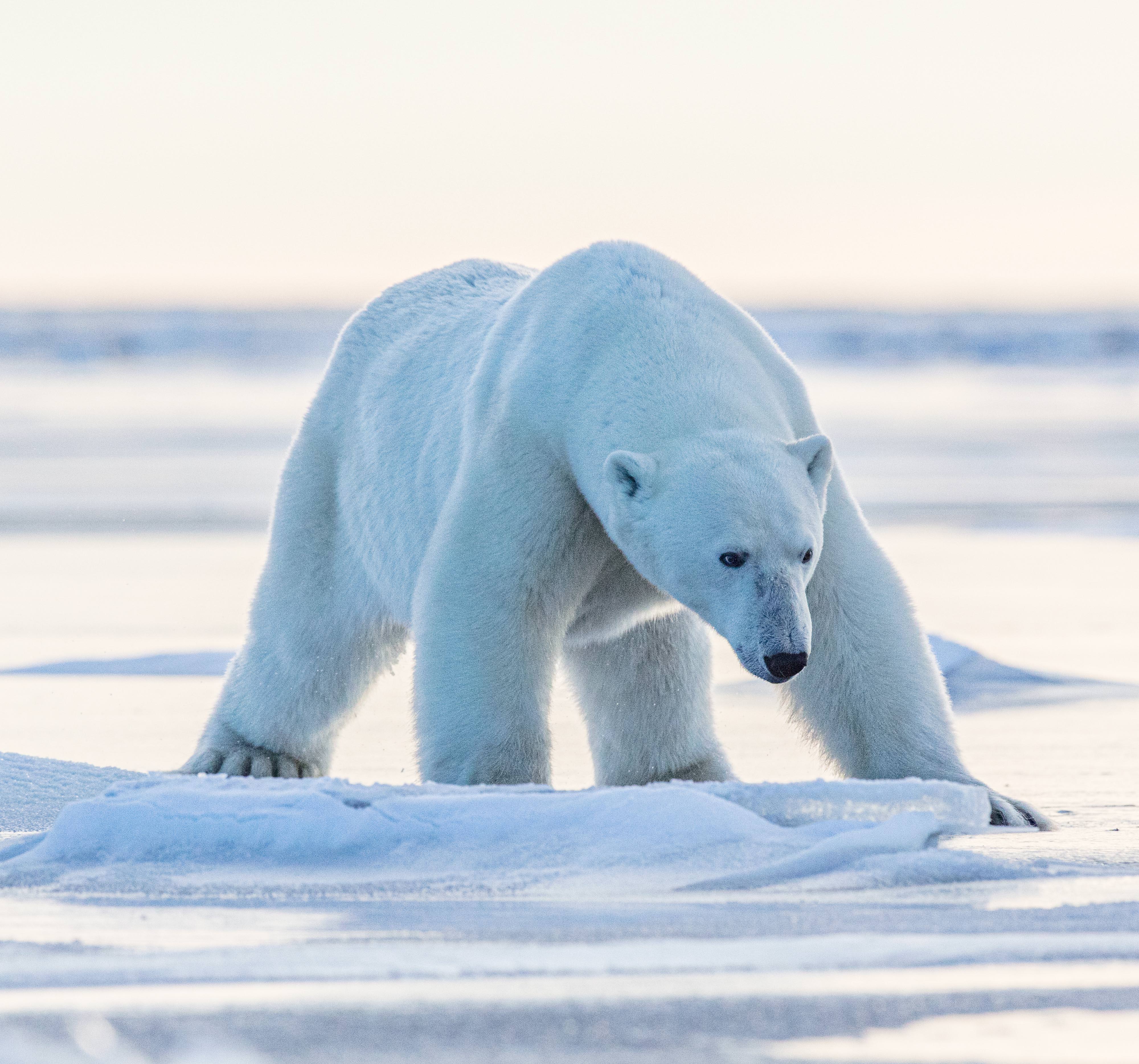
Hudson Bay. Manitoba, Canada
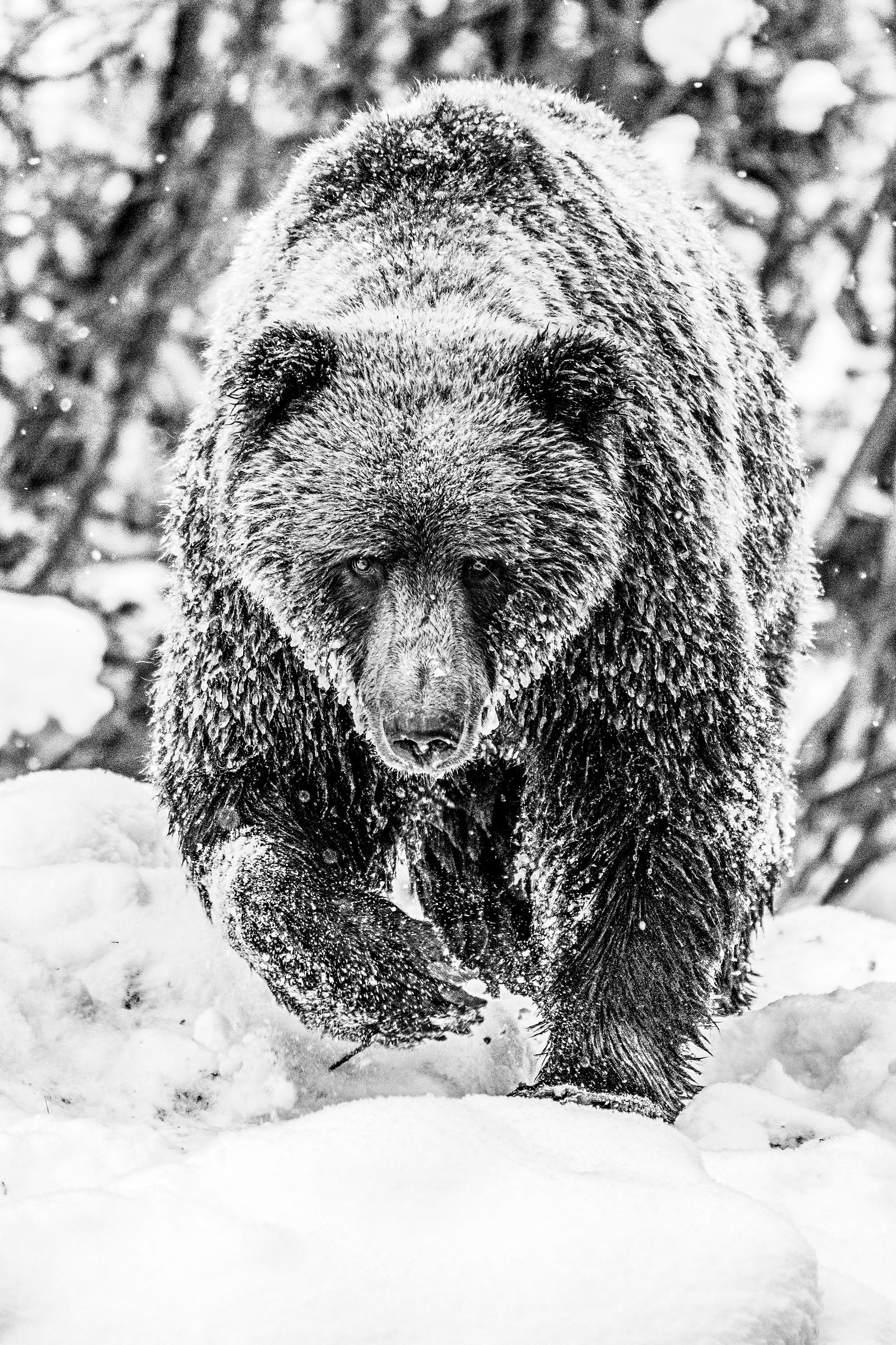
This grizzly was walking towards me, he looked straight at me for the few seconds I needed to frame this shot. Sensing that It was not a danger he slightly changed directions and walked a few meters away, avoiding contact. Love his eyes. In Yukon, Arctic Canada.
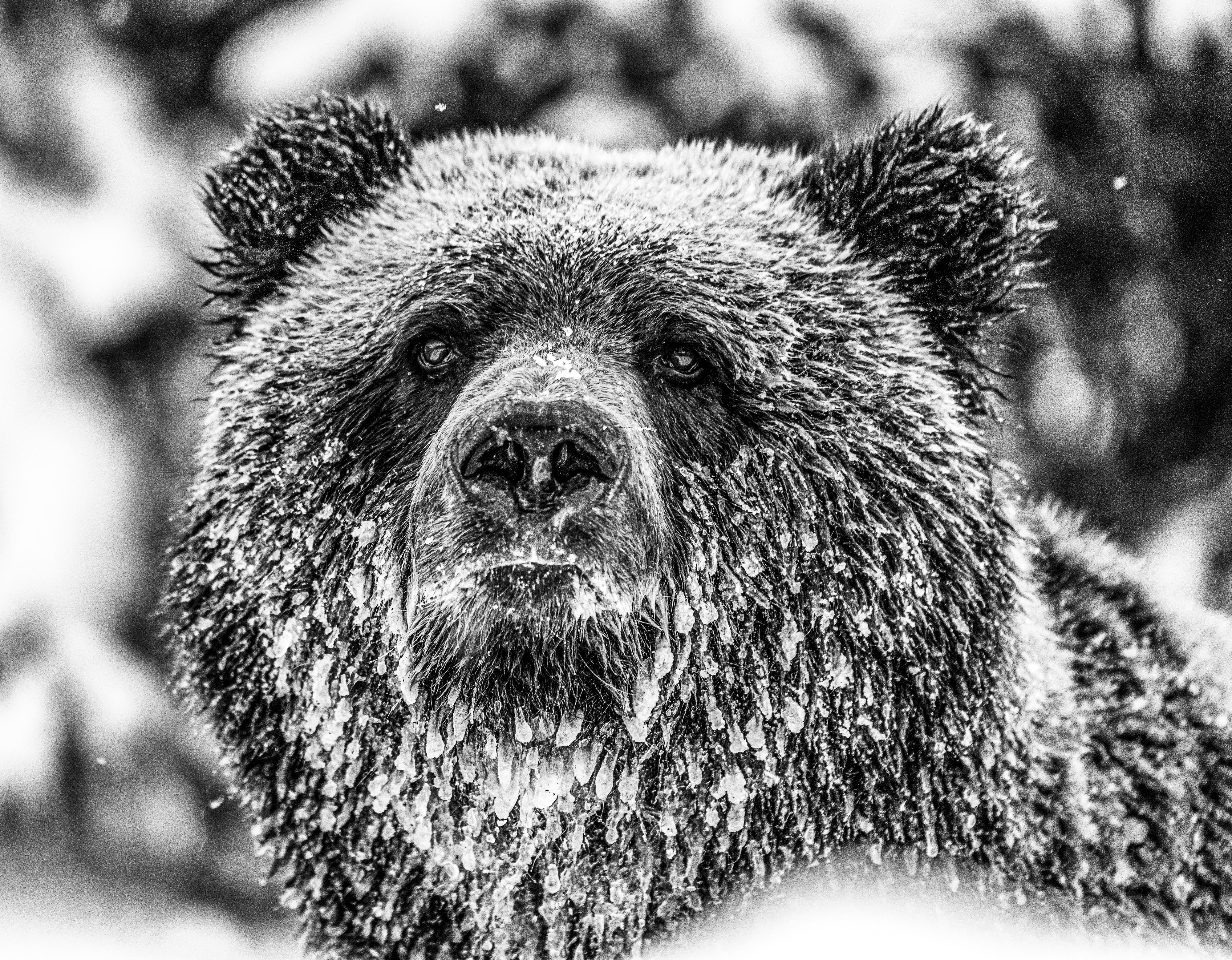
Frozen Gaze — Yukon, CanadaA grizzly bear gazes ahead, its thick fur encrusted with countless icicles after repeated plunges into the Yukon's freezing waters. Despite the harsh conditions, its expression is strikingly serene, almost contemplative. The intimate portrait reveals an unexpected gentleness beneath the formidable presence of one of North America's most powerful predators.A grizzly bear gazes ahead, its thick fur encrusted with countless icicles after repeated plunges into the Yukon's freezing waters. Despite the harsh conditions, its expression is strikingly serene, almost contemplative. The intimate portrait reveals an unexpected gentleness beneath the formidable presence of one of North America's most powerful predators.
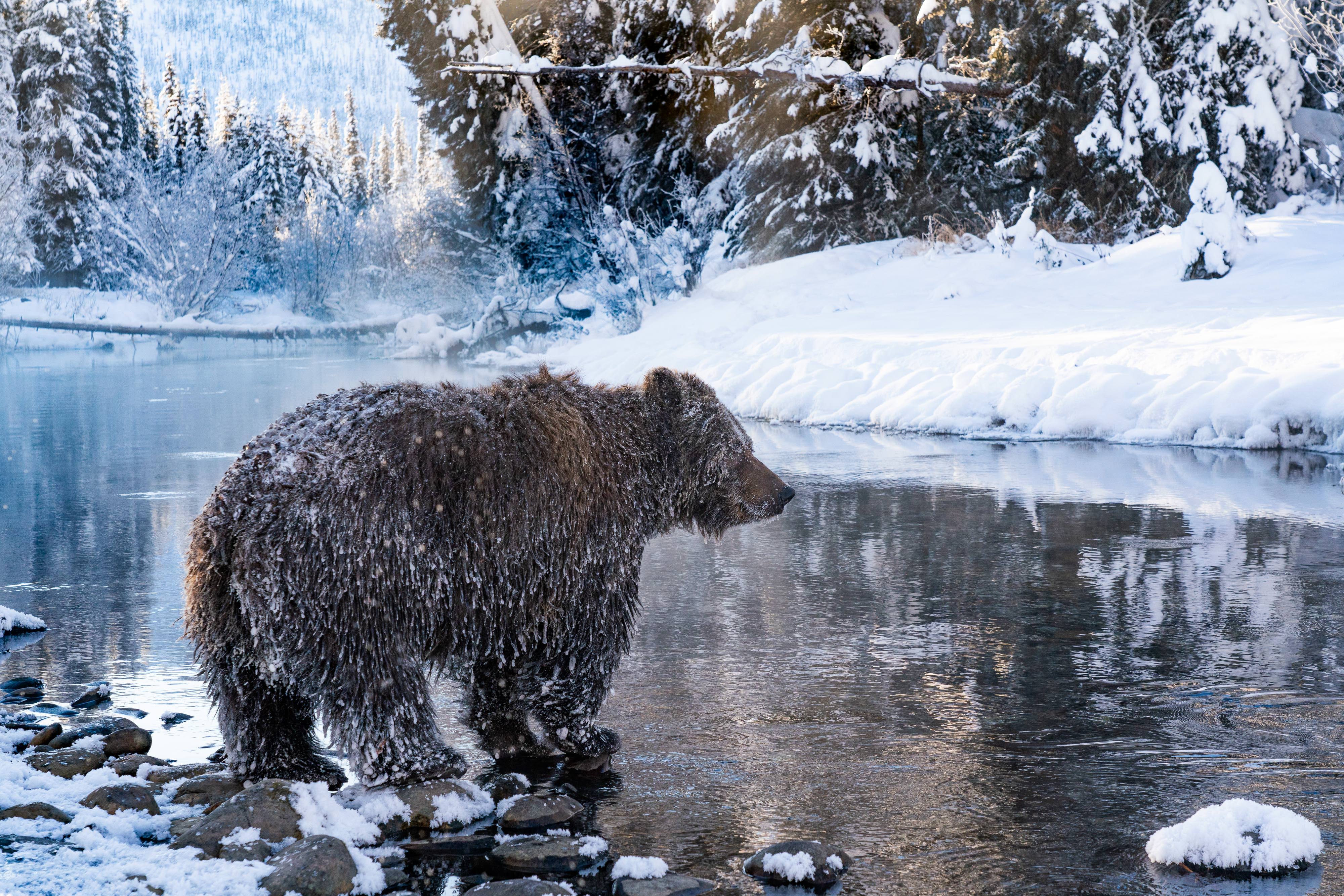
A cool or cooling image in the middle of our summer heat. A quiet river flows through the Fishing Branch Territorial Park in Northern Yukon. This grizzly is pausing in the morning haze and observing the water, looking for its favorite meal : salmon. Near the Arctic Circle, Canada.
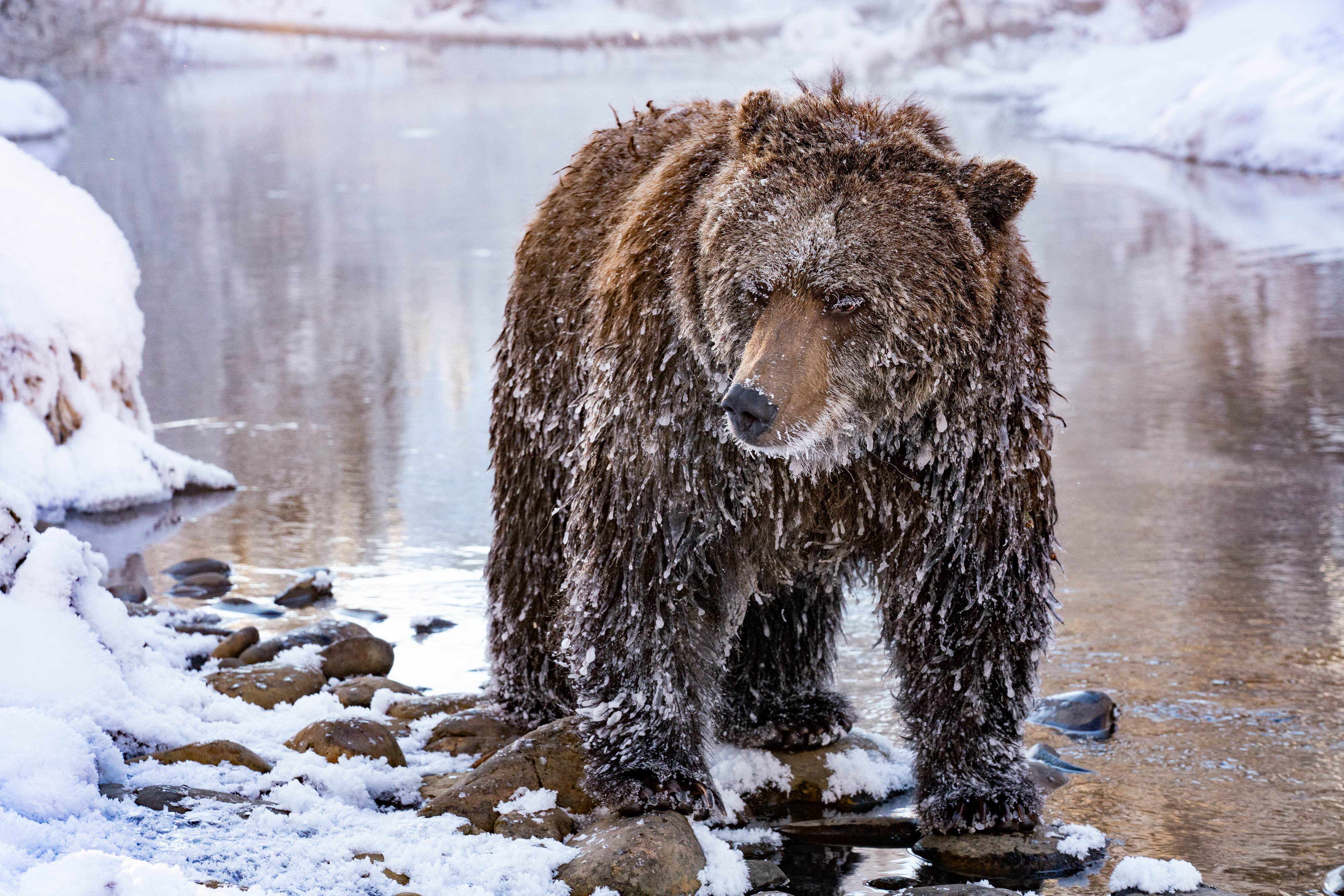
A large grizzly is on the alert. As the winter sets in Arctic Canada there are few preys available. The bears fish salmon in the icy rivers. As they come out the water instantly freezes on their fur as it is -30C outside (-20F). In that environment any noise may be the sign of opportunity or danger.
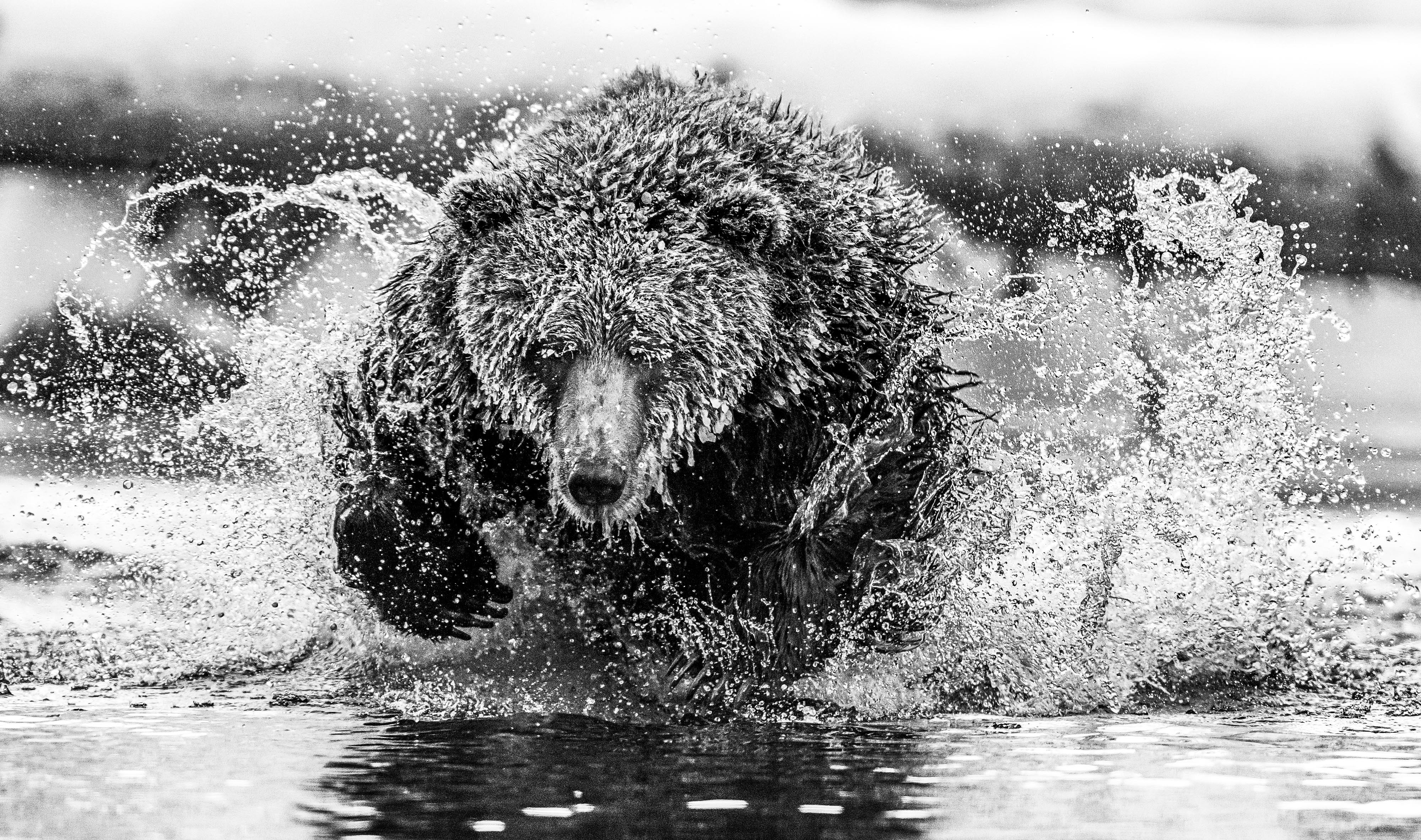
Frozen Pursuit — Yukon, Canada
A grizzly charges through the frigid waters of the Yukon in pursuit of salmon, exploding the river's surface into spray. Ice clings to its fur and muzzle, a stark reminder of the cold it endures, while its forward drive conveys raw power, focus, and the fierce urgency of survival.
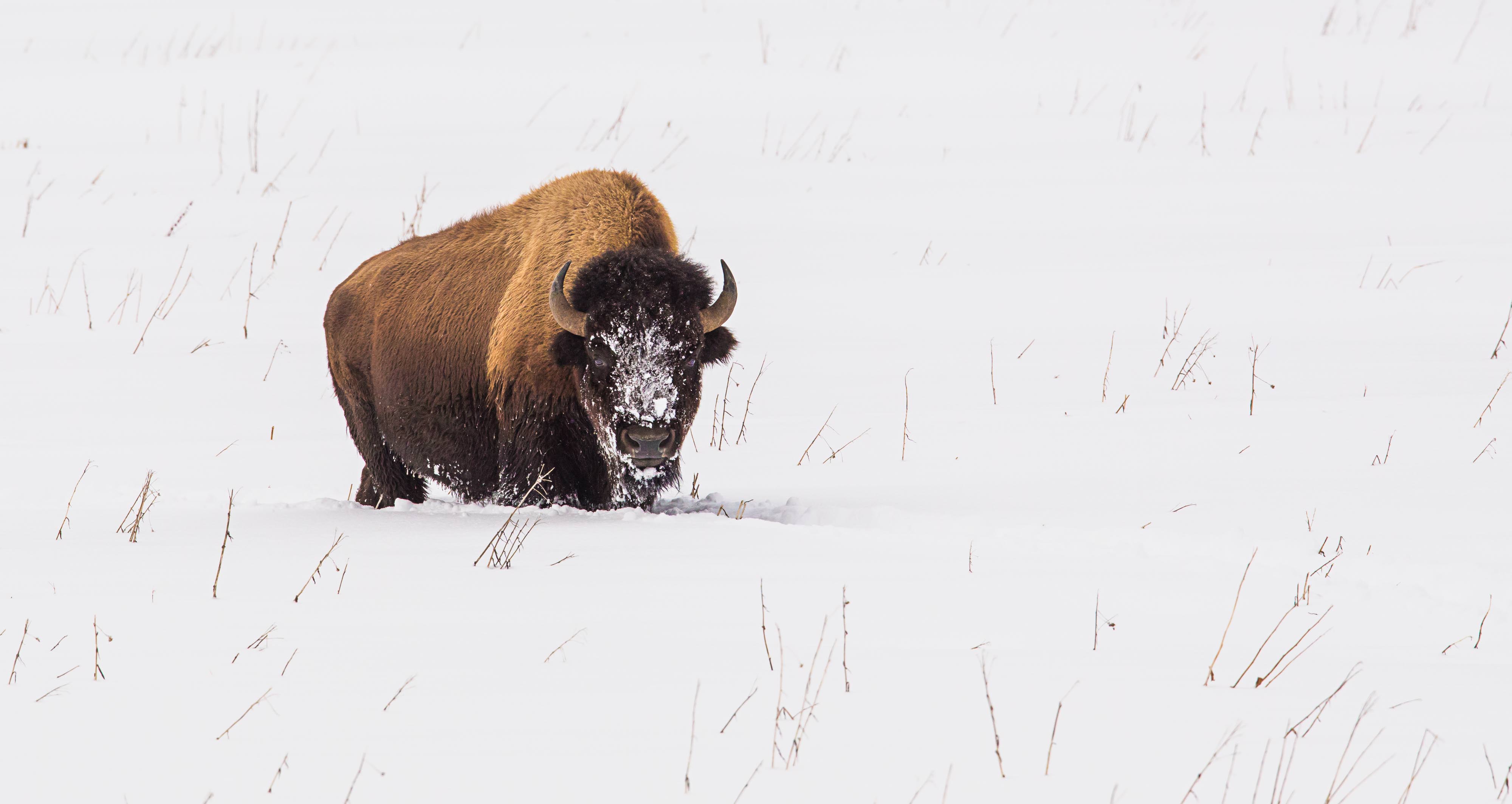
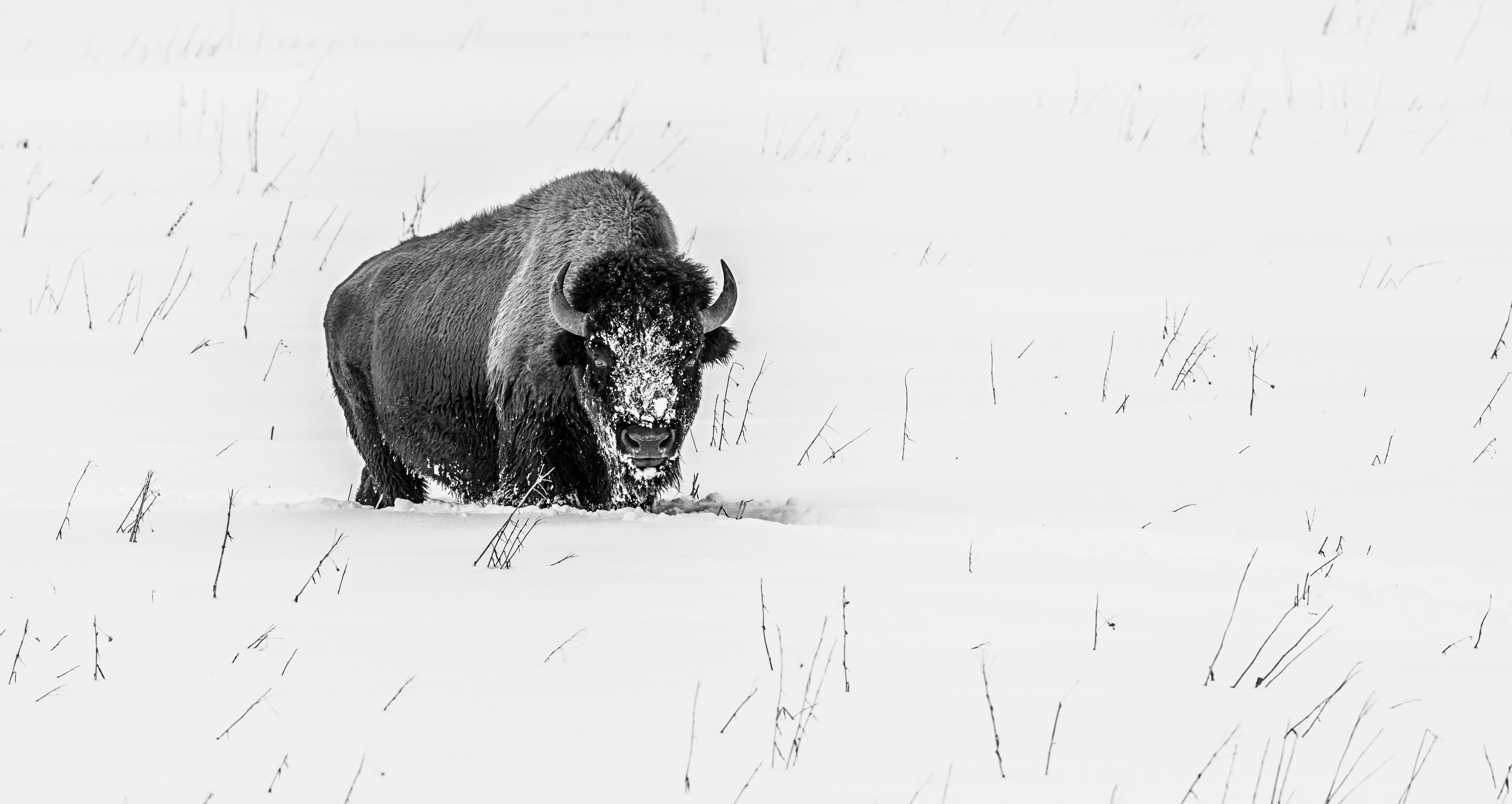
A lone bison in the winter of Yellowstone National Park, Wyoming. While it is packed with tourists in the summer this fantastic U.S. national park is almost deserted in the winter. I love the image of the dark bisons contrasting with the snow.
Winter's Final Grip — Yellowstone, USA
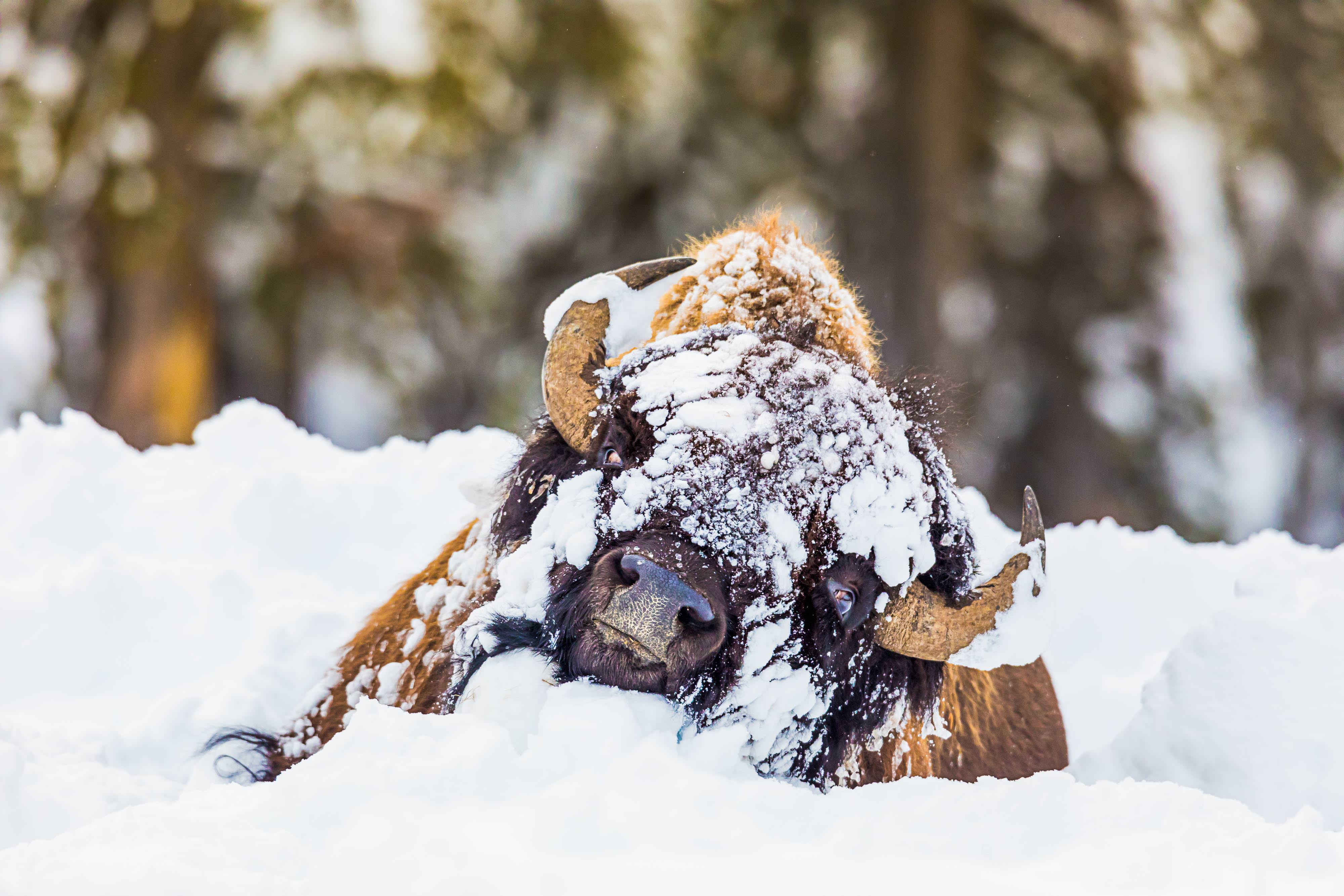
In the depths of a Yellowstone winter, a bison lies trapped in deep snow, its massive head barely rising above the frozen surface. Warm sunlight catches its thick brown fur, offering a fleeting sense of warmth in an unforgiving landscape. Exhausted and nearing death, this once-powerful animal is a poignant reminder that even the strongest are not immune to nature's harshest trials.
Winter's Final Grip — Yellowstone, USA
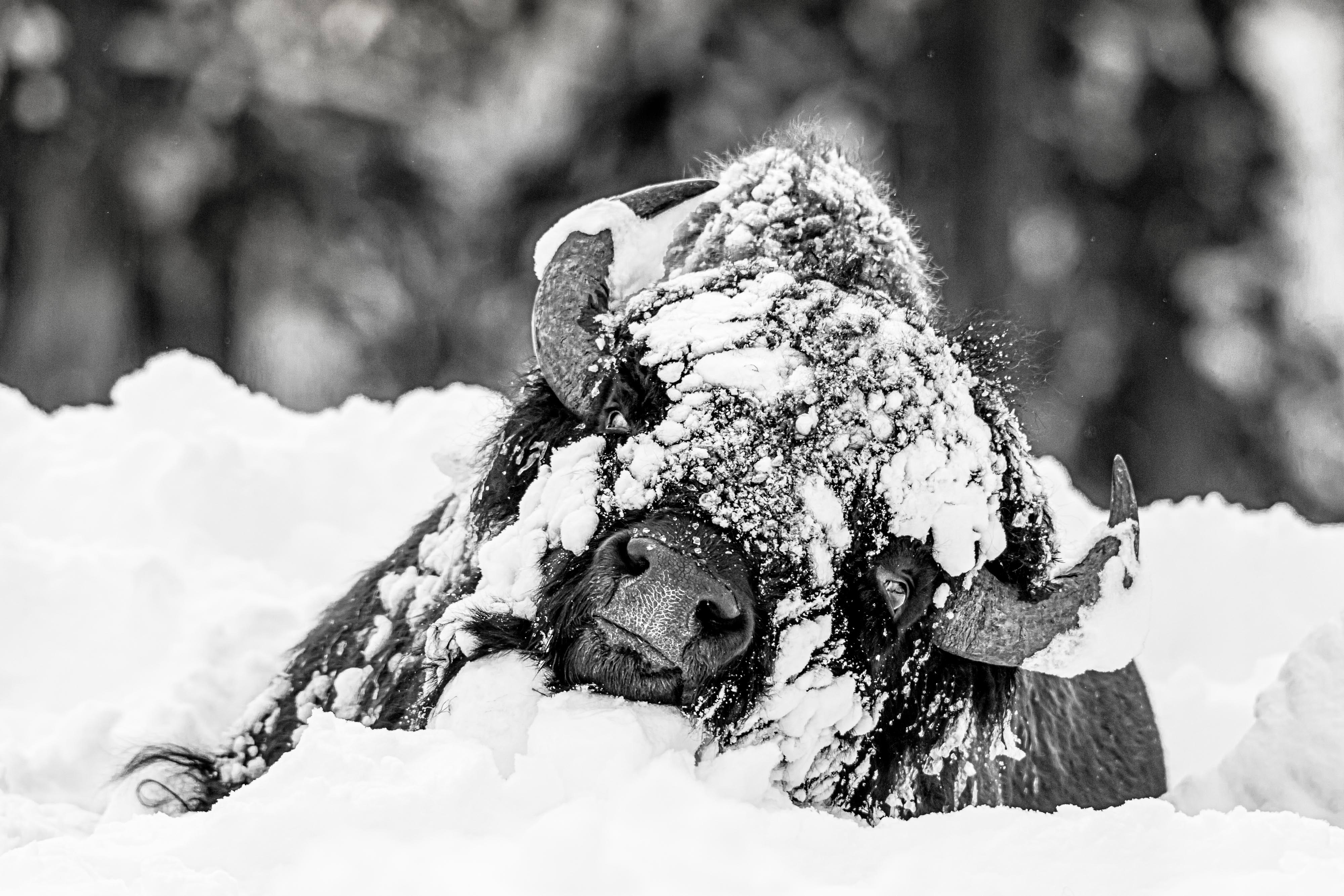
In the depths of a Yellowstone winter, a bison lies trapped in deep snow, its massive head nearly buried beneath the white. Built to endure brutal winters, even these formidable animals have their limits. Exhausted and nearing death, this once-powerful creature embodies the unforgiving reality of survival in the wild.
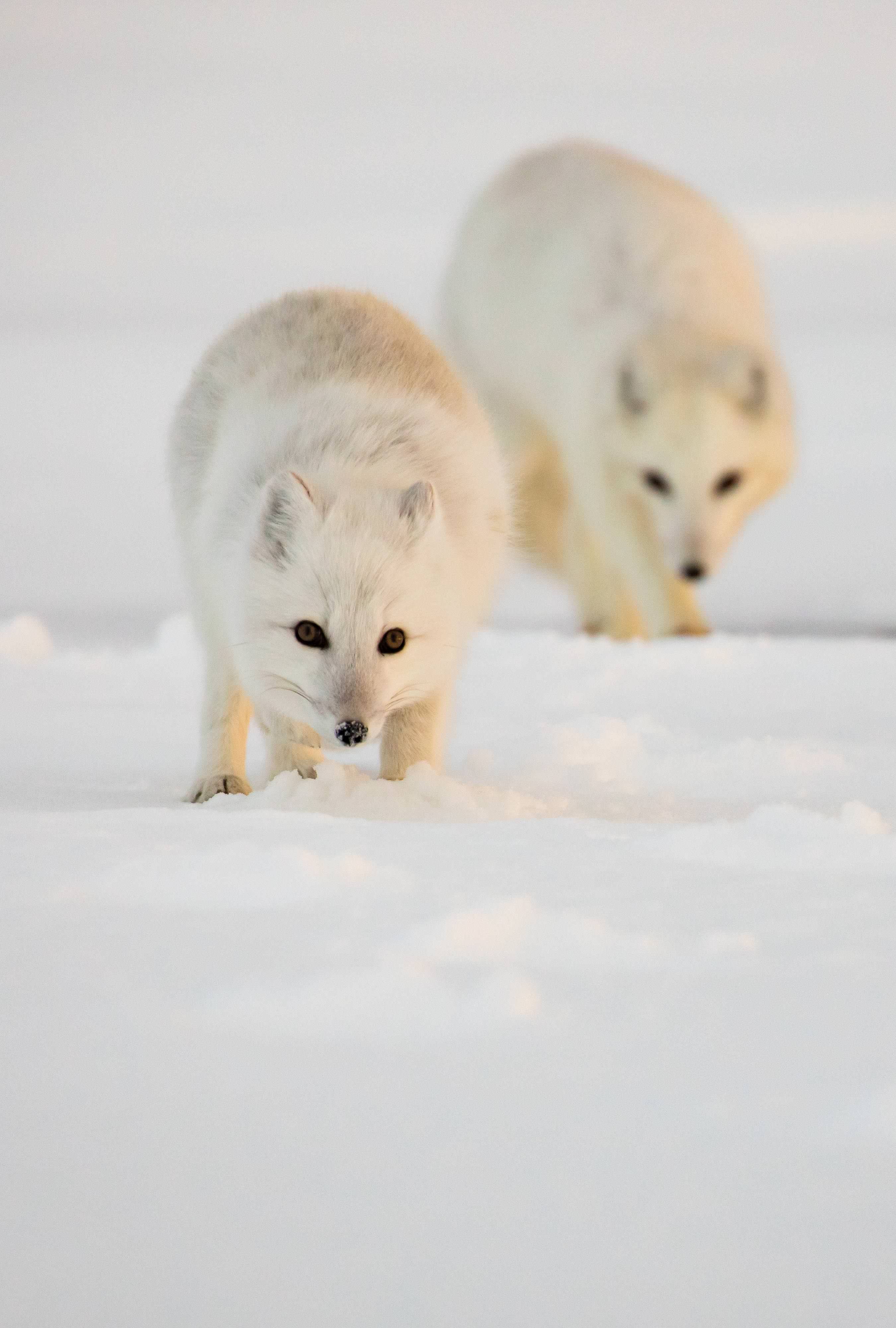
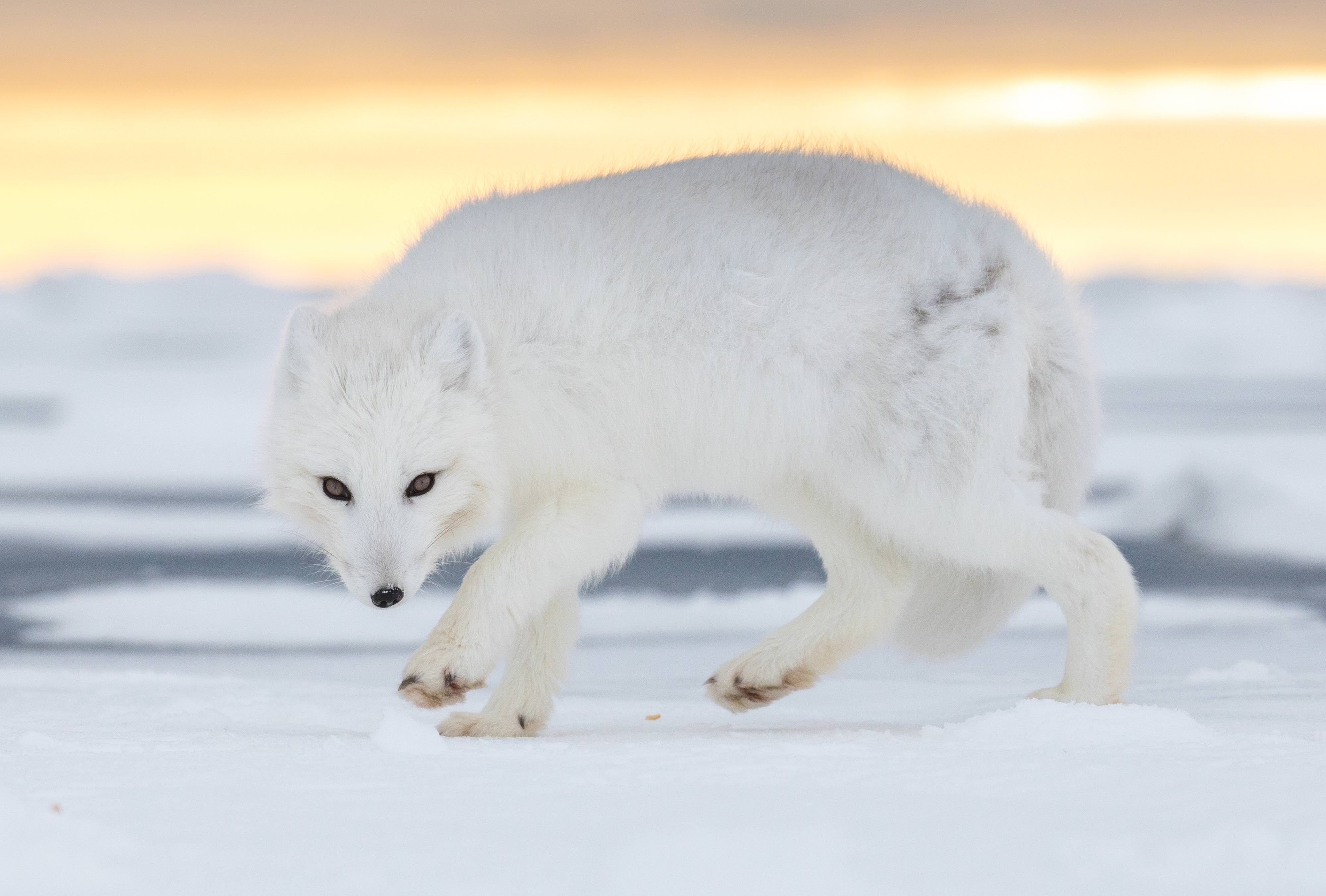
A pretty Arctic Fox in the afternoon light from my trip last Fall to the Canadian Arctic. The Arctic fox has the warmest pelt of any animal found in the Arctic, enduring temperatures as low as -70 °C (-94 °F). They are primarily solitary animals living on the Arctic tundra and pack ice.
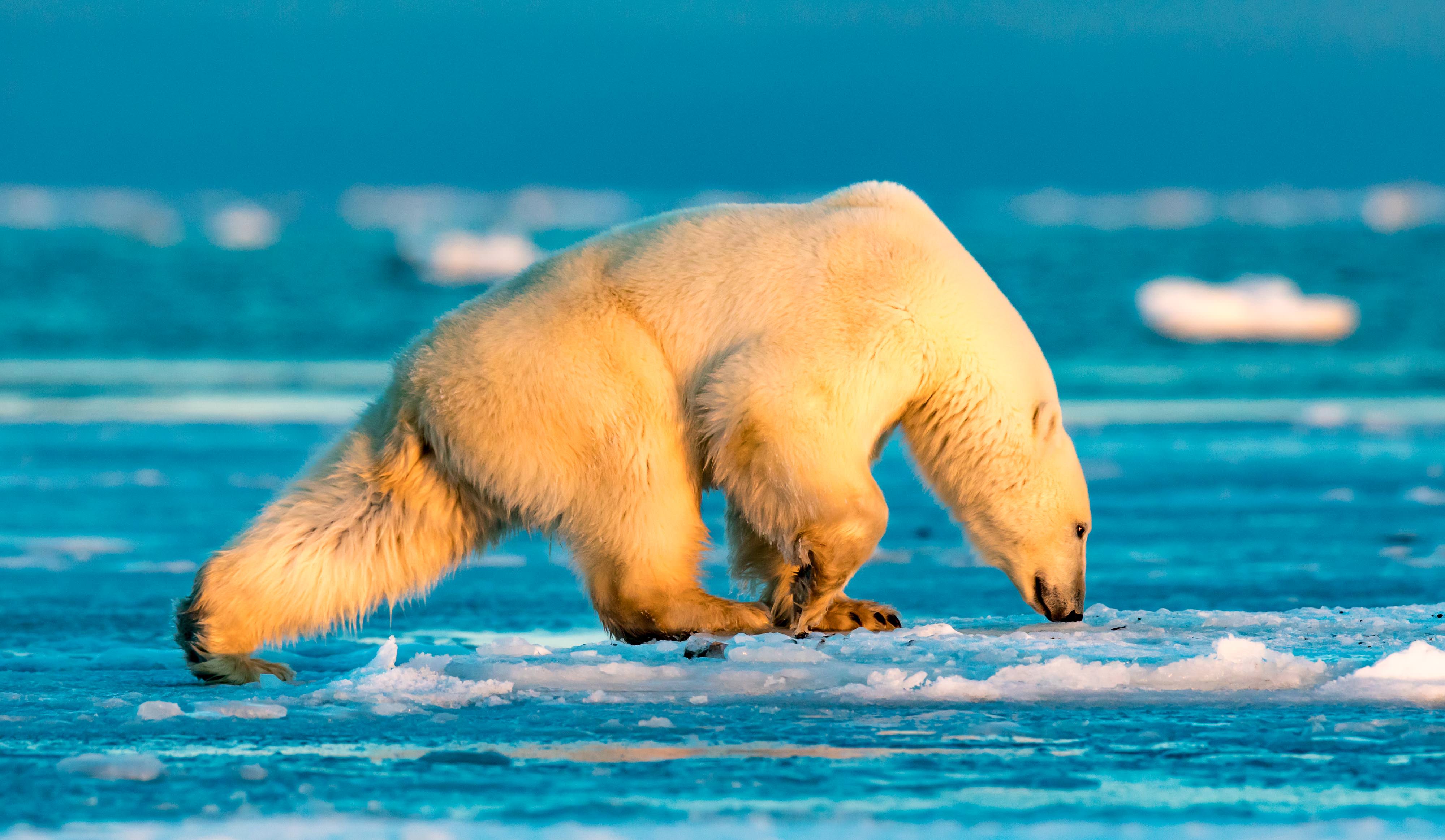
Hudson Bay. Manitoba, Canada
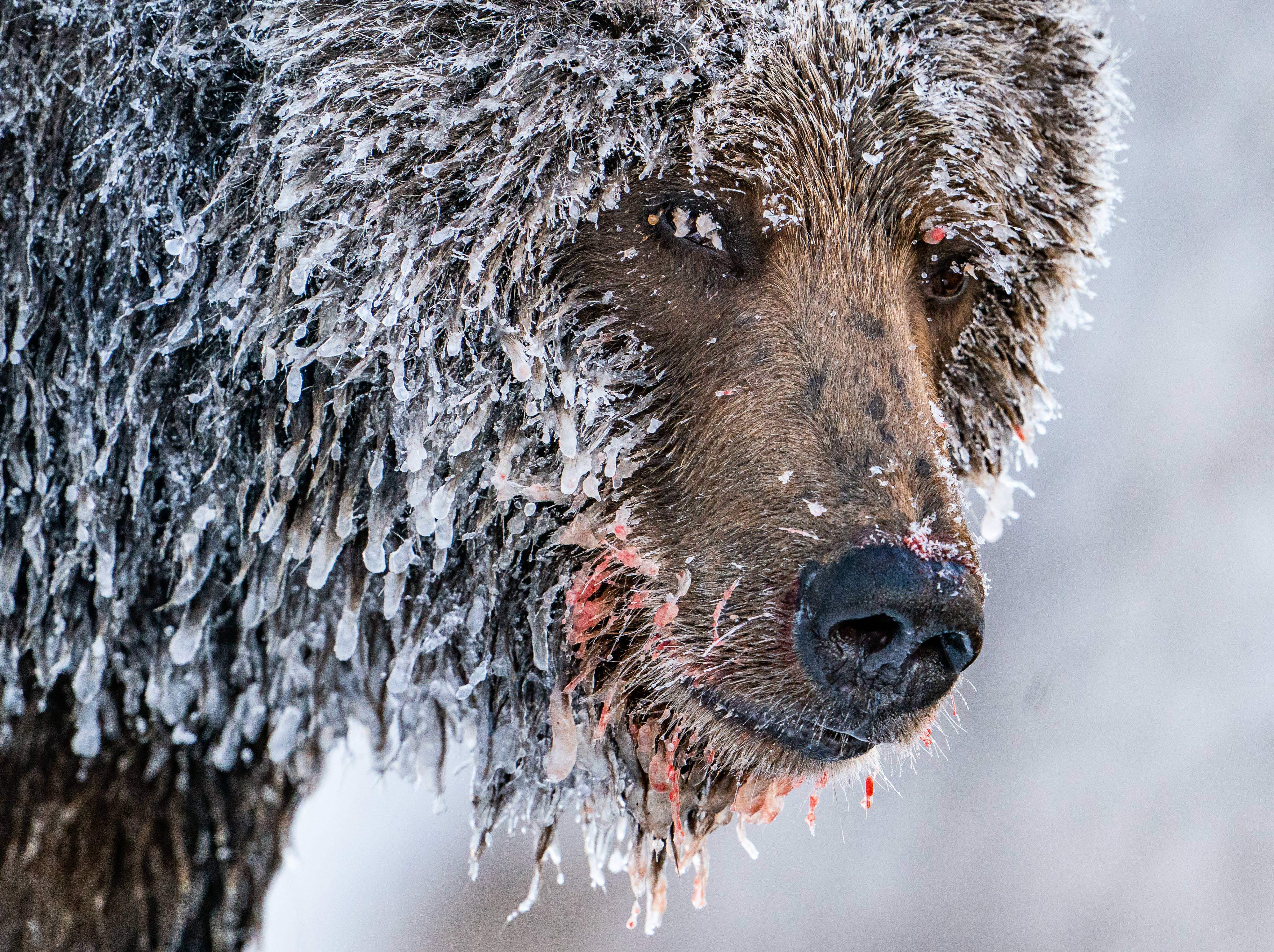
A close up portrait of an adult Grizzly in Yukon. Glacial temperature freezes water on its fur , creating this majestic image. This bear came close so that I could take this picture with precise details. Look at the hair on its nose , so amazing. What a treat!
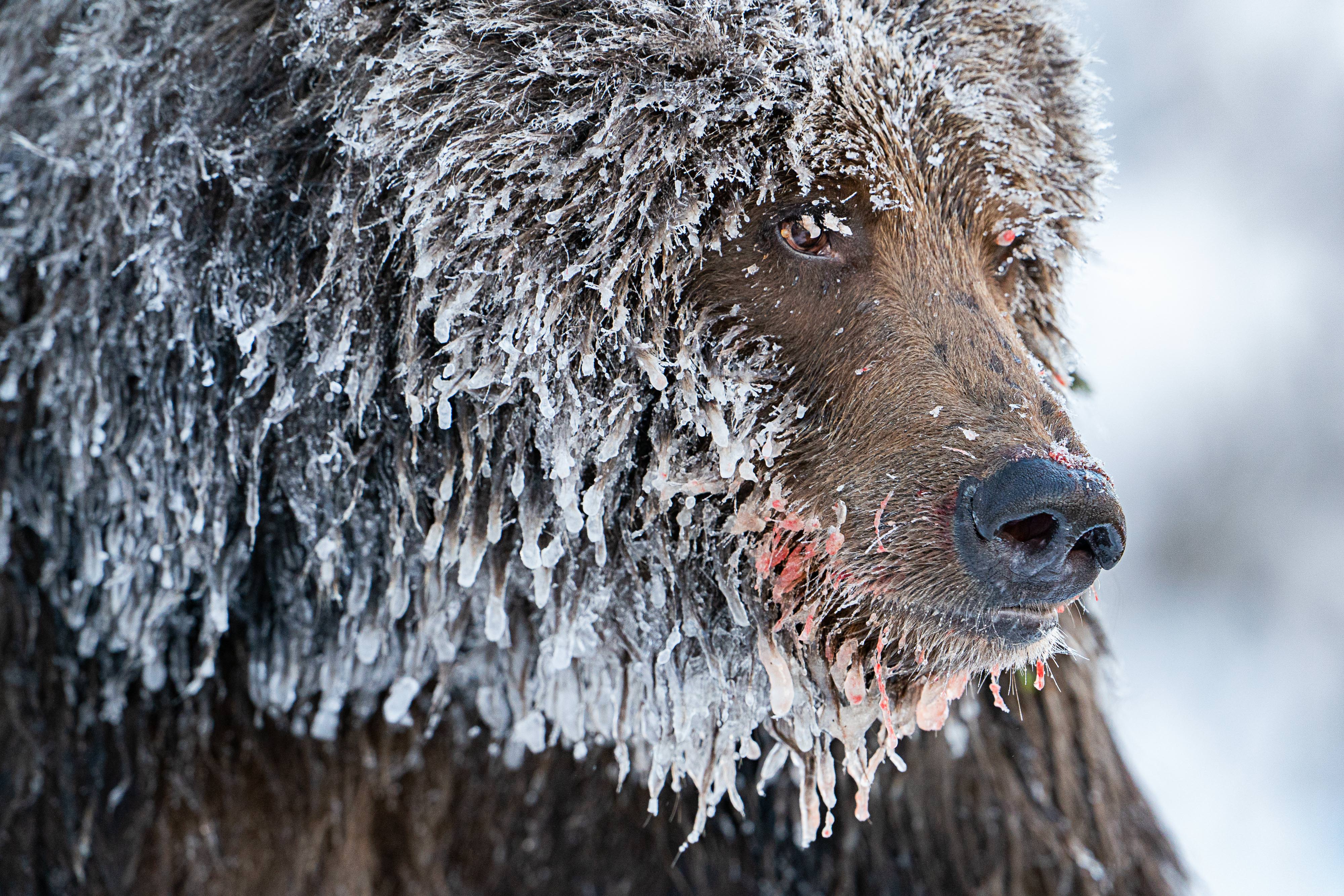
Ice Bear — Yukon, Canada
In the depths of a Yukon winter, a grizzly bear's thick fur is transformed into a mantle of ice, hundreds of icicles hanging from its face. Traces of blood around its mouth hint at its predatory nature, yet its gaze is remarkably gentle, almost pensive. A striking contrast between the tenderness of its expression and the wild instincts beneath.
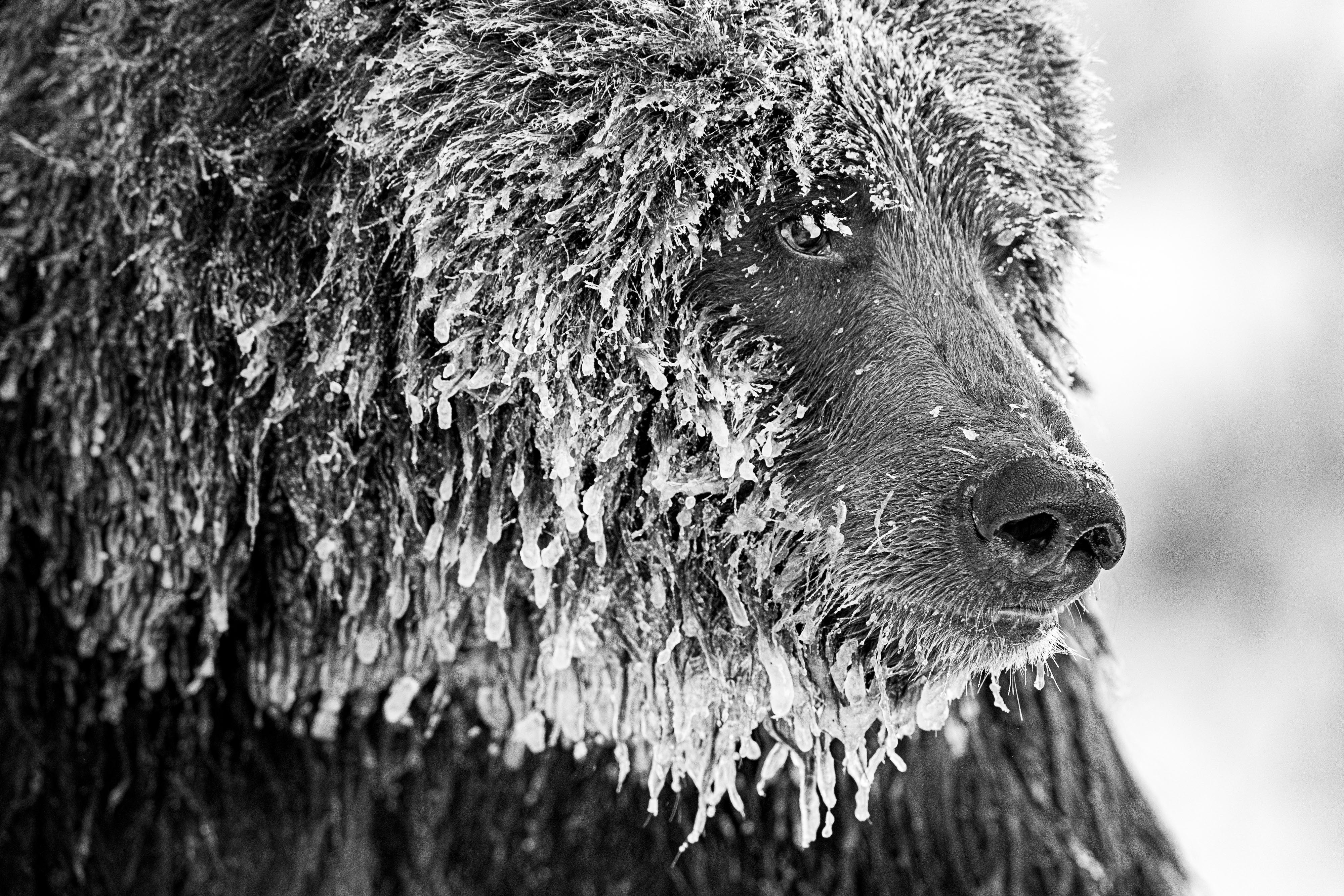
Ice Bear — Yukon, Canada
In the depths of a Yukon winter, a bear's thick fur is transformed into a mantle of ice, with delicate icicles hanging from its face. Yet beneath this frozen armor, its gaze is remarkably gentle, almost pensive—a quiet moment of contemplation in one of nature's harshest environments.
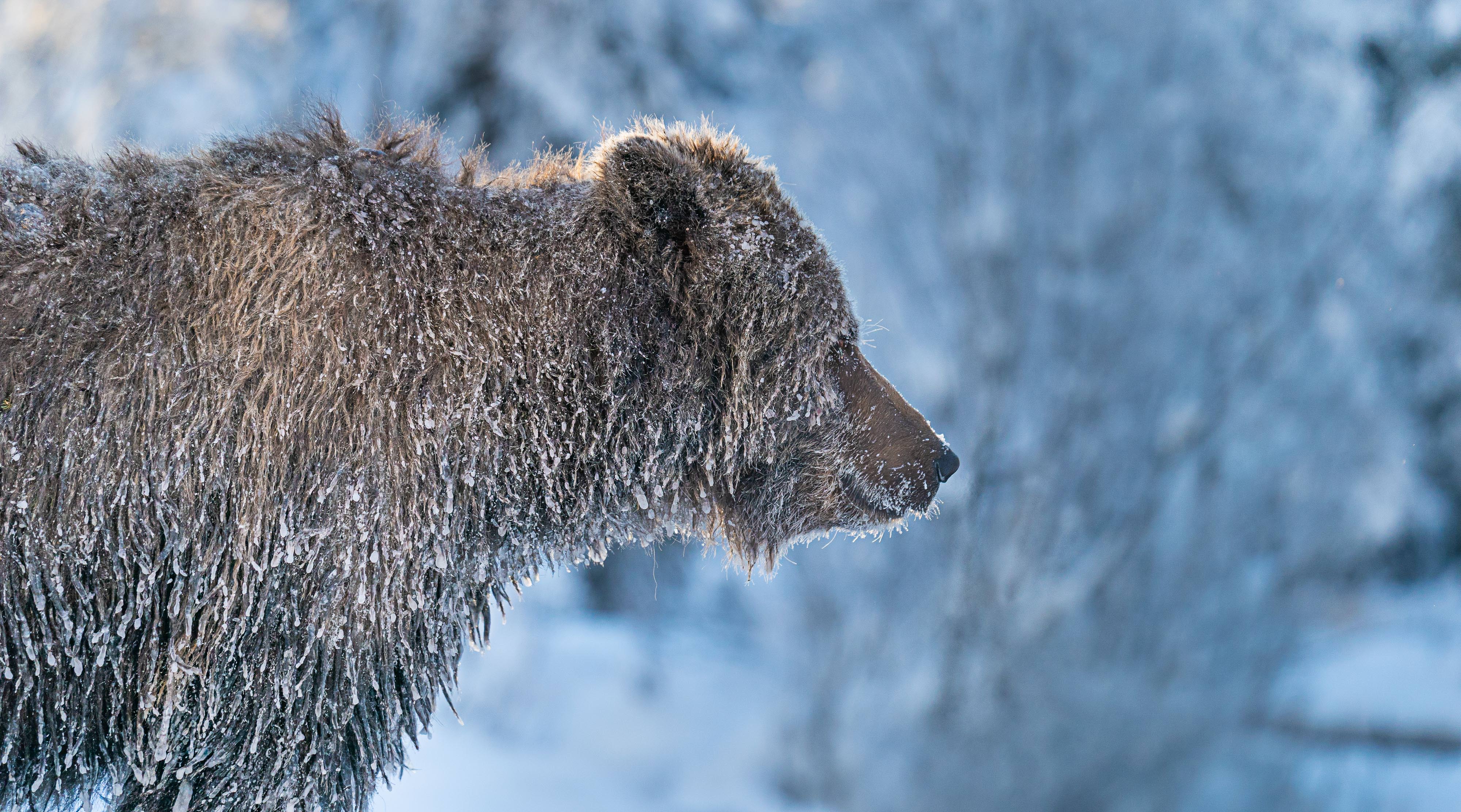
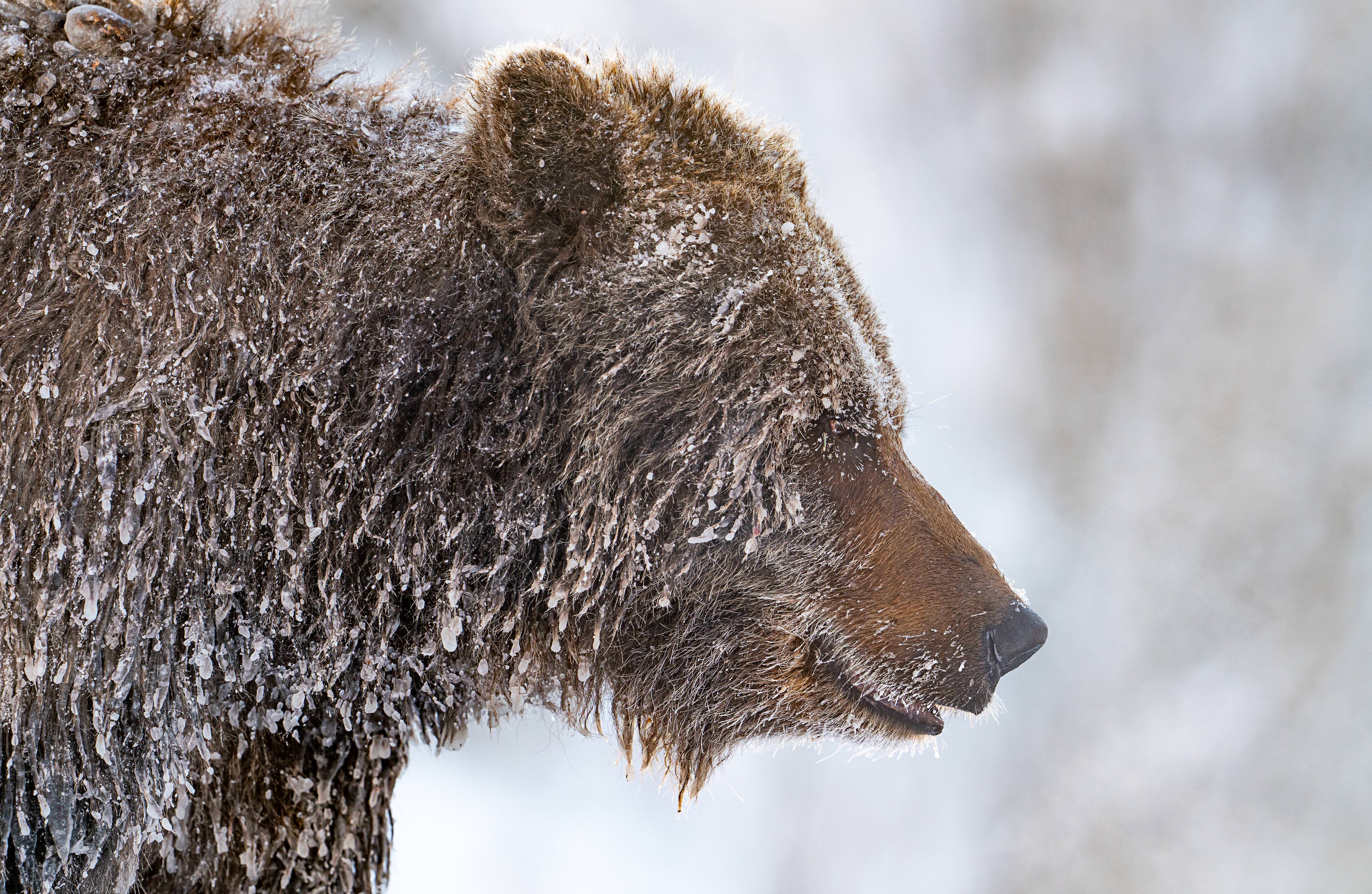
Portrait in Ice — Yukon, Canada
A grizzly bear stands motionless in the winter cold, its thick fur draped in delicate icicles after emerging from freezing waters. Soft light catches the frozen strands against the blue of the snowy forest. In profile, the bear appears almost sculptural, a quiet portrait of strength and endurance in the unforgiving northern wilderness.
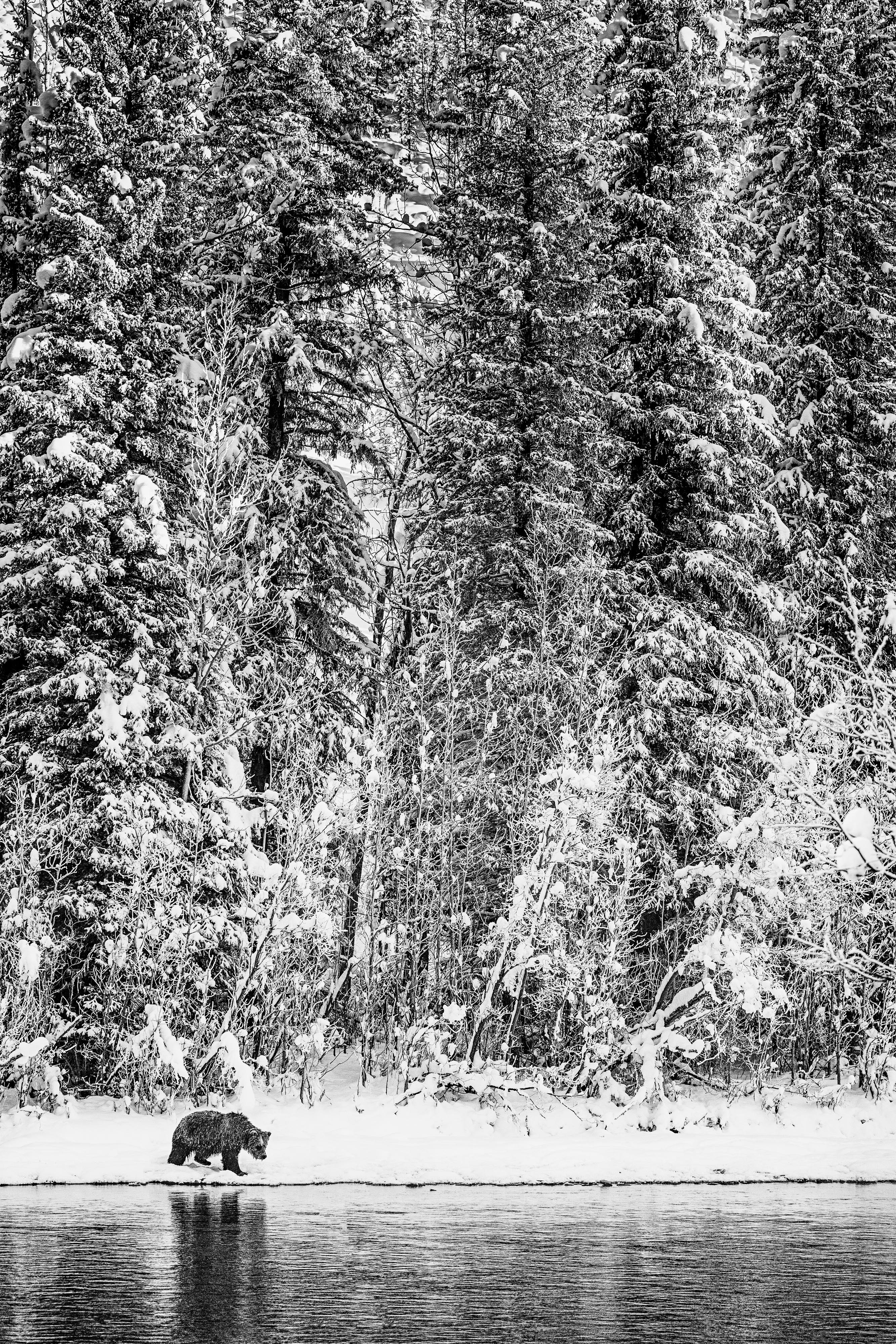
Arctic landscape in Northern Yukon, Canada. Giant trees covered with snow. Ice on the ground. Few sounds: no insects, rarely a bird and just a lone Grizzly bear walking on the shore looking for salmon… and me looking for bears to photograph! This and more Grizzly Bear photos were included in an article published on the Sony Alpha Blog about my Arctic experience with Grizzly Bears in the Yukon area.
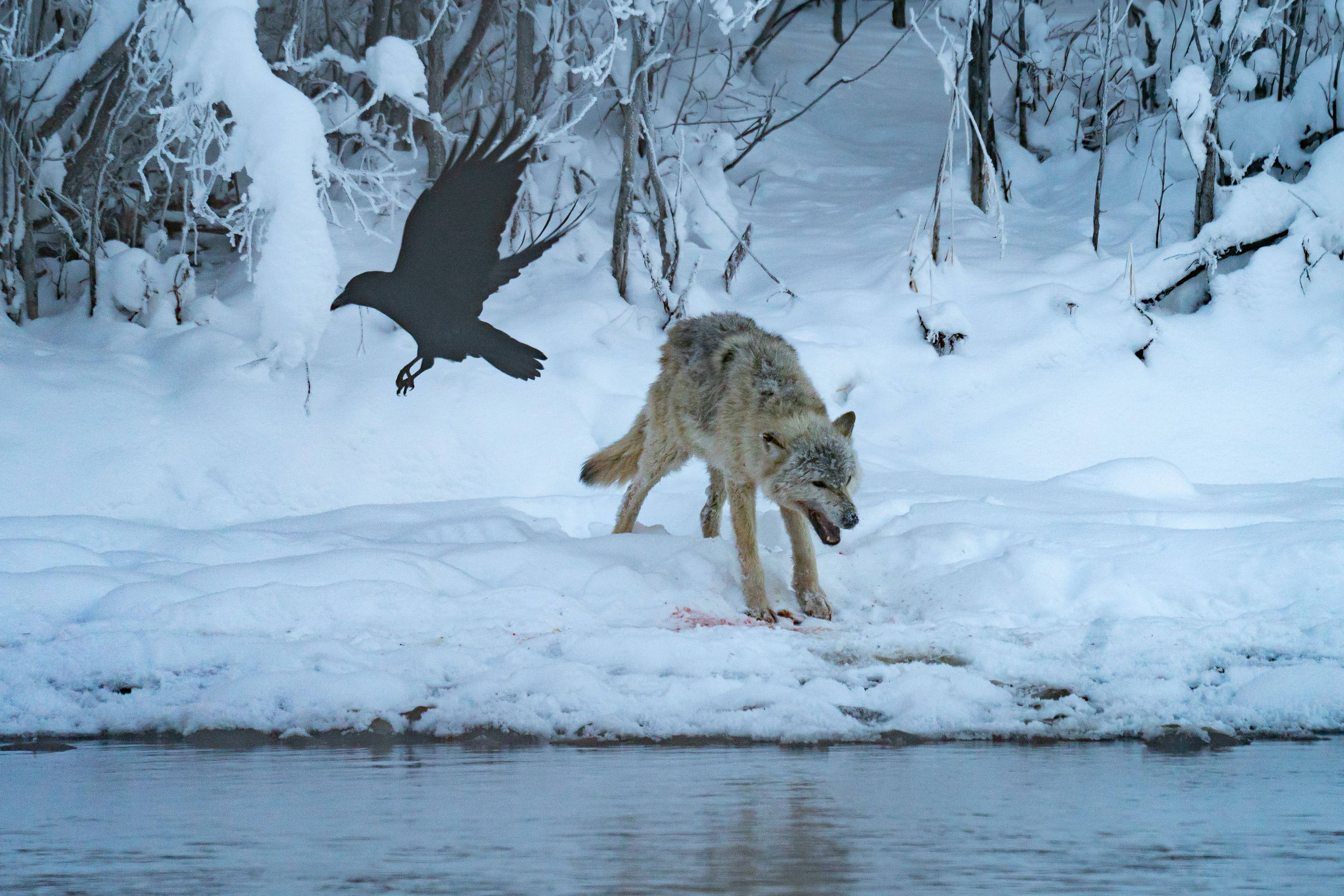
Oh what a scene: This wolf was eating dead salmon on the bank of the river in Yukon, Northern Canada. The crow approached and “stole” a piece of salmon. I just captured the moment when the wolf turns around and looks as the crow flies away with a piece of fish in its beak. Nature provides us with enchanting moments, let’s preserve it.
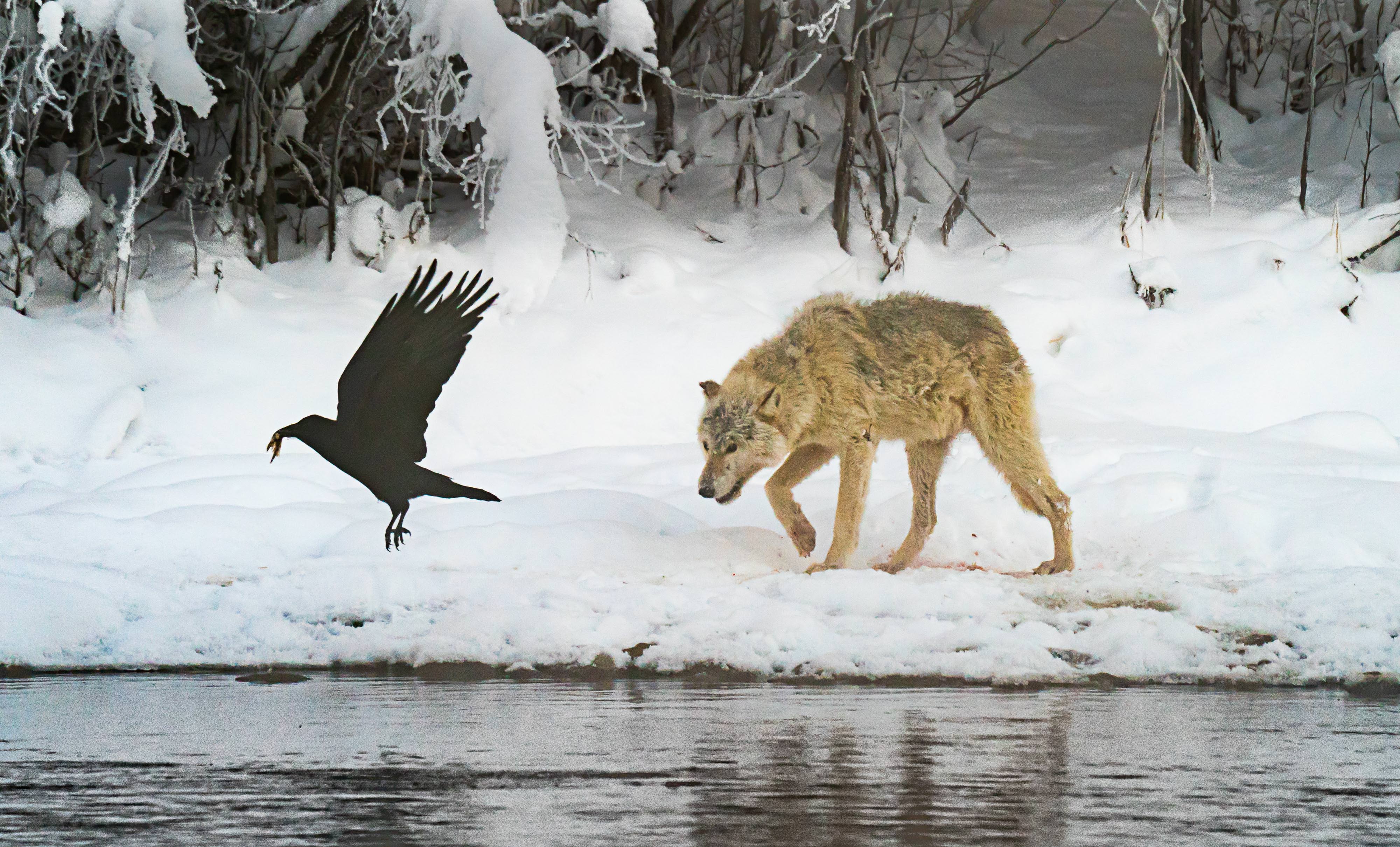
Oh what a scene: This wolf was eating dead salmon on the bank of the river in Yukon, Northern Canada. The crow approached and “stole” a piece of salmon. I just captured the moment when the wolf turns around and looks as the crow flies away with a piece of fish in its beak. Nature provides us with enchanting moments, let’s preserve it.