
There is a moment quiet, suspended, almost sacred when the world stands still in front of your lens. The jungle stops rustling. The savannah wind pauses. The Arctic air feels like it forgets to breathe. And in that thin slice of silence, a wild animal looks back at you, not with fear or aggression, but with an ancient curiosity.
This moment is what wildlife photographers chase. And it is never an accident. Wildlife photography is not only about equipment, timing, or luck. It is a lifelong discipline shaped by patience, instinct, and respect. It is the art of becoming invisible and the craft of understanding that the animal, not the photographer, is in control of the story.
This is not a guide from a classroom. These lessons come from muddy riverbanks, dense rainforests, raging oceans, mosquito-infested swamps, and glacial landscapes where frost gathers on your eyelashes. These are my lessons from the field.
Long before you learn about camera settings or composition, nature teaches you how to listen.
In the Pantanal, Brazil’s vast wetland wilderness, I once spent four hours motionless in the heat, tracking the faint movement of a jaguar along the riverbank. Every sound mattered the alarm call of capybaras, the sudden quiet of birds overhead, even the distant splash of fish. Each was a clue, a reminder that wildlife photography begins long before you raise your camera.
You have to read landscapes the way others read books.
Before you photograph the wild, you must learn to understand it.
People imagine wildlife photographers constantly surrounded by drama: leopards leaping, whales breaching, birds taking flight. The truth is far less glamorous.
Most days look like this:
Waiting, watching, adjusting, waiting again, questioning your sanity, and then waiting a little more.
Some of the most powerful moments happen only because you stayed long after everyone else packed up.
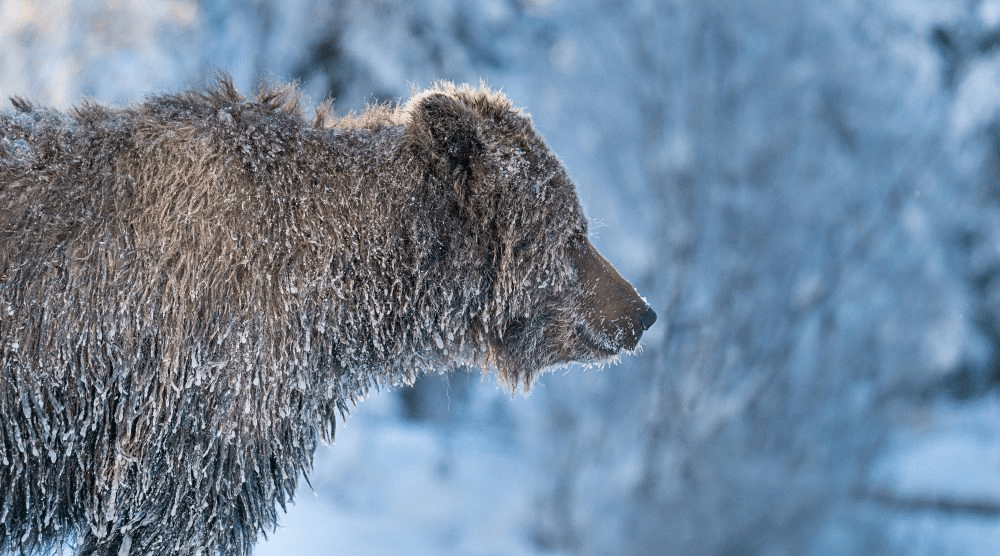
In Alaska, I once spent two freezing days beside a salmon river, waiting for a brown bear I’d been tracking. When he finally appeared, he didn’t roar or charge or tear into prey. Instead, he stood quietly in the twilight, water dripping from his massive paws, his breath forming clouds in the cold air. The photograph captured gentle power, the kind you can never rush. Wildlife rewards patience because patience proves you belong there.
In cities, photographers chase artificial light.
In the wild, we chase the sun.
At dawn, the world glows gold and soft, turning predators into silhouettes and birds into floating embers. At dusk, the earth deepens into blue shadows where owls, foxes, and nocturnal hunters emerge.
Good wildlife photographers memorize the rhythm of light:
Some of my favorite photographs happened in the worst weather, rough seas, heavy fog, and sudden downpours. Nature’s chaos can create light that no studio could ever simulate. You do not wait for the perfect light. You learn to dance with whatever light nature gives you.
A wildlife photographer is a guest. The animals are the homeowners. The rules belong to them. I’ve learned this countless times once from a mother elephant in Botswana. I was photographing her herd from a respectful distance when she suddenly spread her ears wide and stepped toward me with thunderous authority. She wasn’t angry; she was clear: You’re too close. I lowered my camera, stepped back, and she relaxed instantly. That day reminded me that distance is dignity.
True wildlife photography is never about chasing shots but protecting the creatures we photograph. No image is worth stress, disruption, or harm to an animal. The story we capture must never come at the cost of the life we are trying to honor.
Behind every award-winning photograph are hundreds of failures, blurred frames, missed focus, bad angles, awkward compositions, or animals that simply refused to look your way. Failure is the nature of the work.
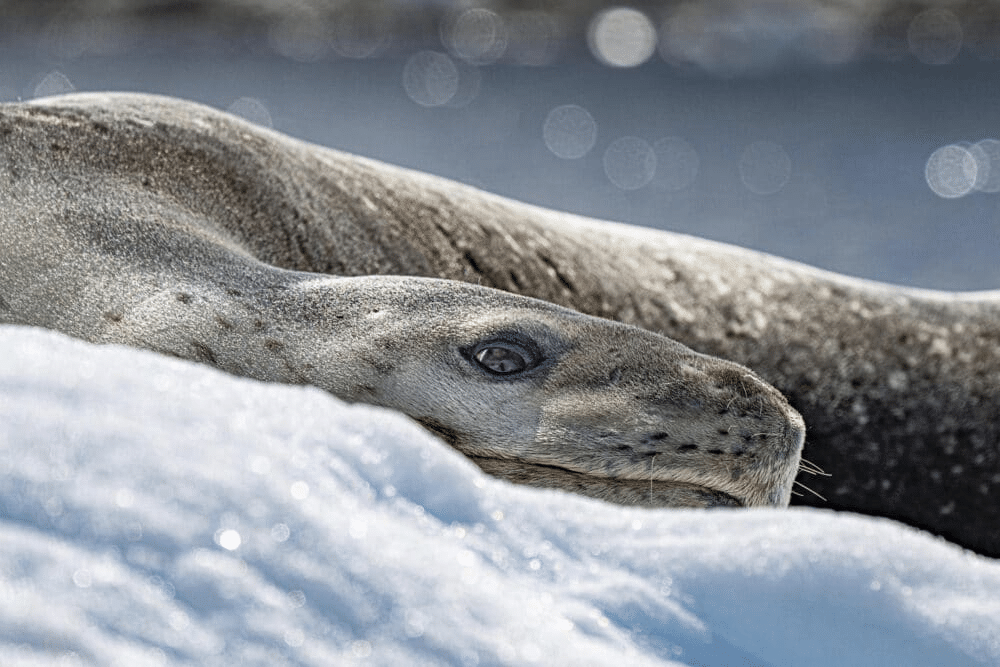
In the Arctic, I once tracked a polar bear for hours across floating sea ice. The cold was brutal. My fingers went numb. Condensation kept forming on the lens. When the bear finally looked up, I missed the focus by an inch. The shot was unusable. But moments later, another opportunity came unexpectedly, perfect, as if the wilderness had offered me a second chance. I was ready because the failures sharpened my instincts. Wildlife photography is a game of resilience. Your mistakes are not setbacks, they are training.
Anyone can click a camera. Few can capture a story. A great wildlife photograph doesn’t simply show an animal it reveals a moment of truth:
I remember photographing a sleepy snow leopard high in the Himalayas. She was resting on a rocky cliff, blending perfectly with her surroundings. The photograph worked not because of the animal alone, but because of the environment, the cold, the solitude, and the harsh beauty of the mountains. It wasn’t just an image; it was a narrative about survival in the world’s most unforgiving terrain.
A wildlife photo becomes powerful when it shows not just what happened, but why it matters.
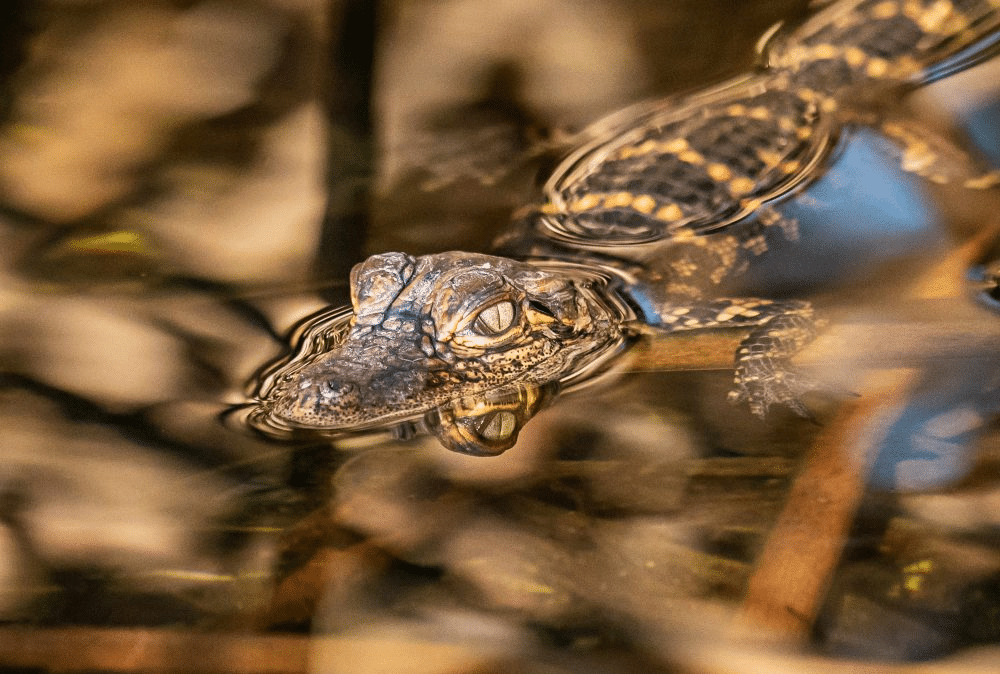
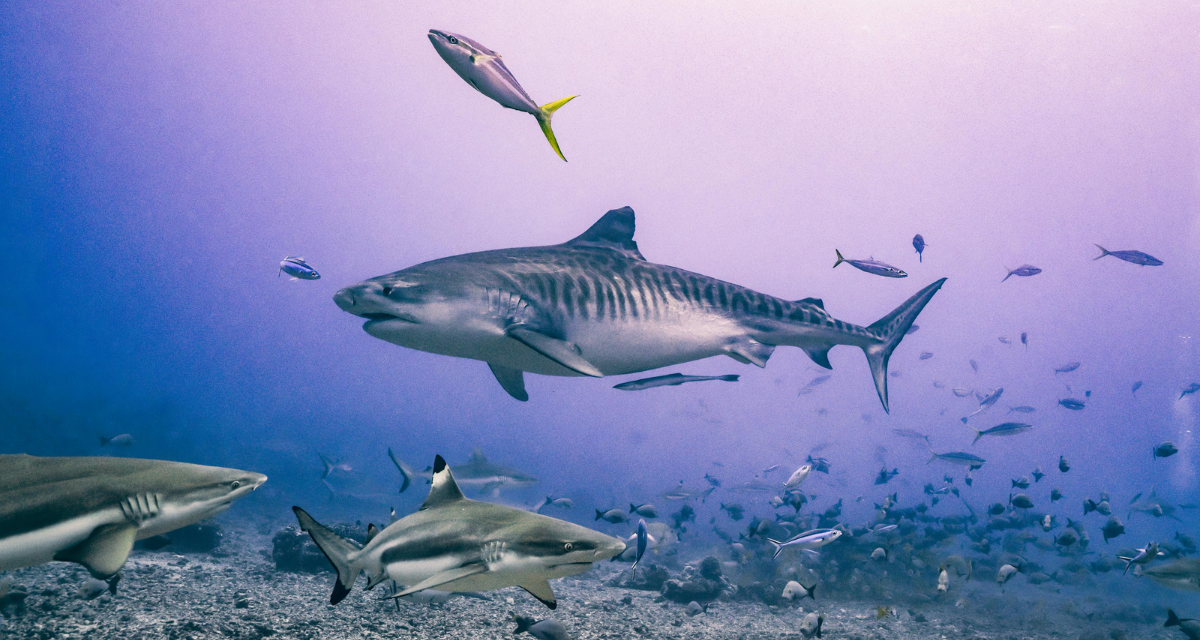
Wildlife photography is ultimately an act of love for the planet. In every frame from the gentle eyes of a manatee drifting through Florida’s warm waters to the thunderous stampede of wildebeest in the Serengeti I see stories worth preserving. Every photograph is a reminder of what we risk losing:
Forests shrinking.
Oceans warming.
Species disappearing faster than we can document them.
Photography becomes a promise: If I can show people the beauty of the wild, perhaps they will fight to protect it.
The truth about wildlife photography is that it transforms you far more than you transform it.
You come home different:
The wilderness teaches humility. It teaches focus. It teaches courage. And above all, it teaches that we are only here for a moment, brief and fragile, in a world far older and wiser than we are.
Wildlife photography is not about the chase; it’s about the connection. It is a lifelong dialogue with nature, built through patience, respect, and curiosity. Every photograph you take is a handshake with the wild. Every moment in the field is an invitation to witness life as it truly is untamed, unfiltered, and unrepeatable.
And the greatest lesson of all?
Nature doesn’t reveal itself to those who demand a shot. It reveals itself to those who show up, wait, listen, and honor its rhythms.
Discover the extraordinary wildlife and nature photography of Marko Dimitrijevic. Explore birds, marine life, and wild landscapes. Shop fine art.
Read more »
Discover Marko Dimitrijevic's photography journey across wildlife, birds, landscapes, and oceans from the Arctic to Antarctica. Shop fine art prints.
Read more »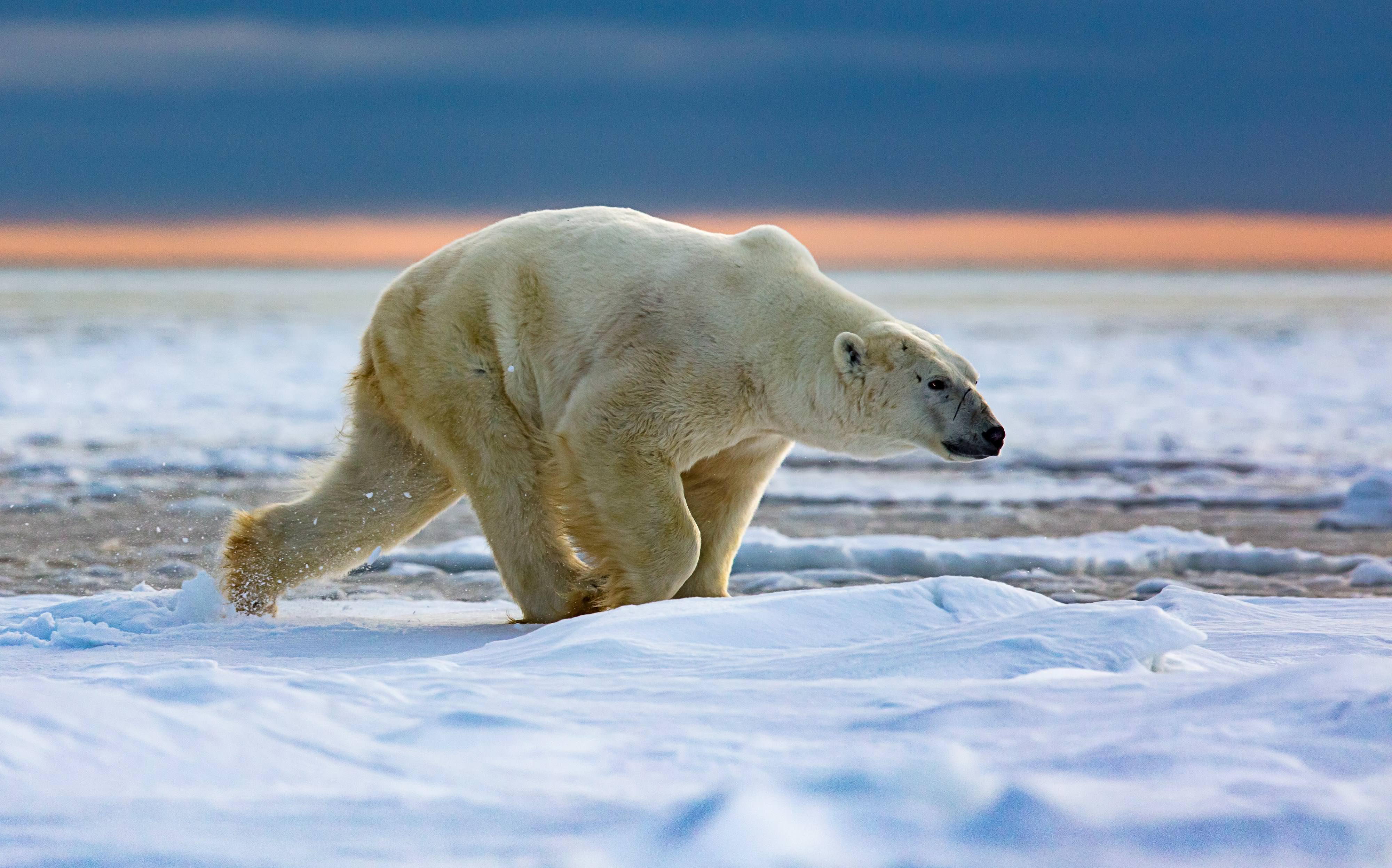
Capture the raw power of the Arctic. Explore "Polar Bear Running," a dynamic fine art photograph from Hudson Bay by Marko Dimitrijevic. Shop premium prints.
Read more »